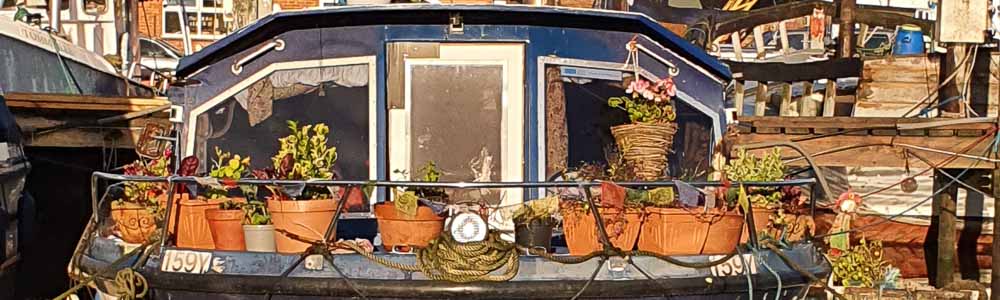
Introduced by Julia Jones
‘Books are a uniquely portable magic,’ wrote Stephen King. Although Stephen King is not on my personal favourites list—and isn’t on this RDA list either—he is undeniably someone who understands about the relationship between words and readers and the ability of books to lift us away from our everyday preoccupations, fire our imaginations and extend or transform our understanding of the world. It doesn’t always happen, but when one finds a book that seems to speak directly to one, one has found a treasure. In this article, for Christmas and the New Year, some of the RDA Committee members and magazine contributors share their finds from 2025.

I manage the book pages for Yachting Monthly magazine so read a large number of books for review and also for research. One book which I couldn’t resist republishing in 2025 was The Tuesday Boys by Rozelle Raynes. It has personal and local connections for me but also shows what a difference people can make to the lives of others. Rozelle needed a use for her wooden Folkboat, Martha McGilda, and began teaching sailing and seamanship to 8 young boys in the care of Newham Social Services. Lifelong friendships resulted, extending far beyond the sailing sessions. The benefits were felt at least as deeply by Rozelle, who was childless, as by the boys who had been variously let down or abandoned by their parents. After their initial adventure into the River Thames, she wrote, ‘I had always wondered what it would feel like to have the boat full of children spilling coke and crumbs all over the deck and swinging like monkeys from the boom, and now I knew.’
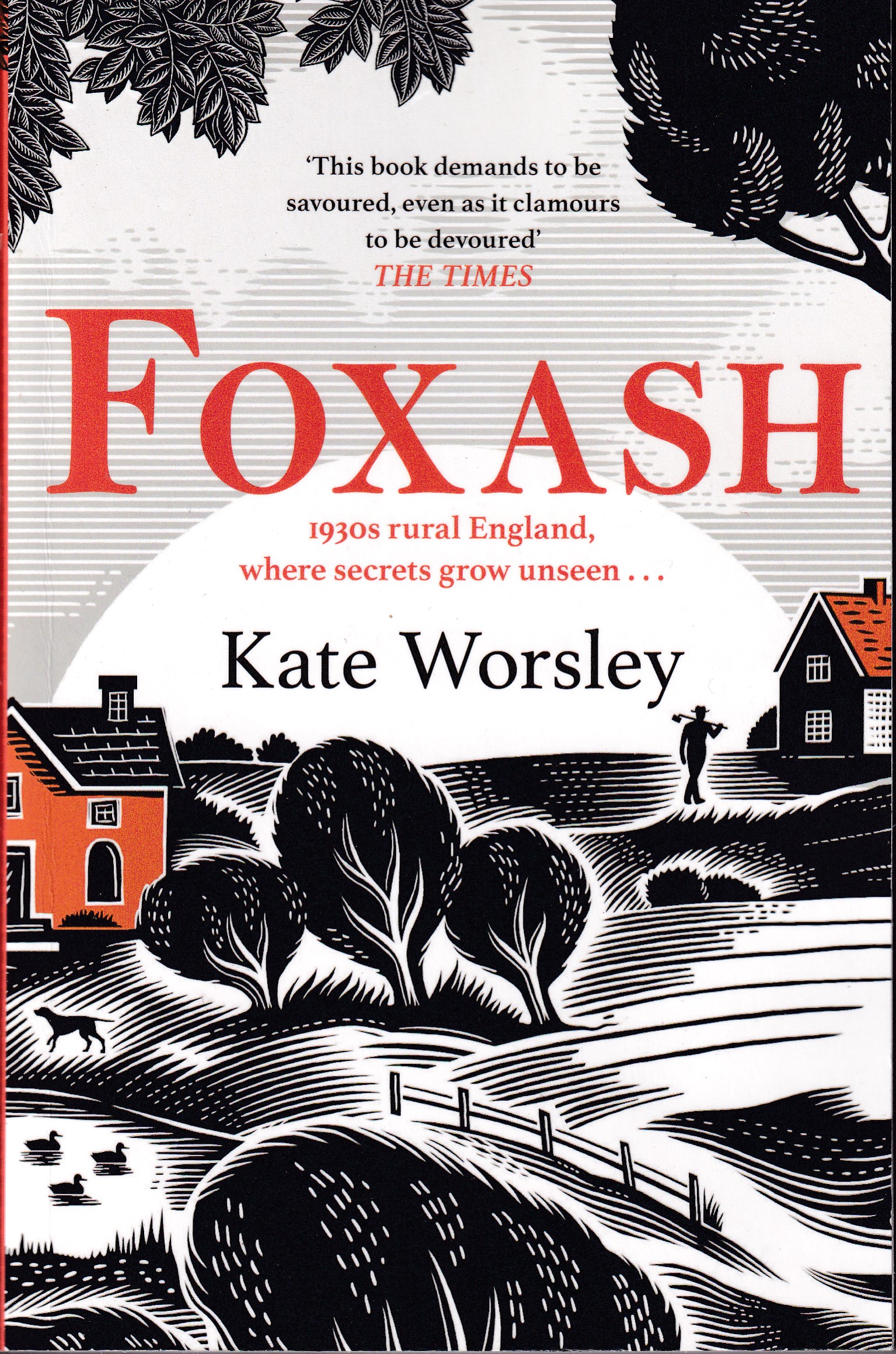
The Tuesday Boys is a book I’ve loved for years and perhaps it’s a bit of a cheat to recommend something that I’ve also used for work. So, I’ll just add Foxash by Kate Worsley, whom I met quite by chance at Manningtree Arts Centre last month. It’s a novel, based on the Foxash Land Settlement at Lawford in Essex. This was a 1930s government scheme encouraging unemployed people from the depressed industrial areas to move to the countryside and take on smallholdings. Kate Worsley’s book is full of the hard work and joy of growing things but also tells a story of two couples whose lives become dangerously intertwined. It kept me spellbound through a long train journey. All these books will be available to order from libraries or our excellent local bookshops as well as in electronic versions and from internet distributors.
Anna-Marie Sellon
RDA Committee Member and Social Media Manager
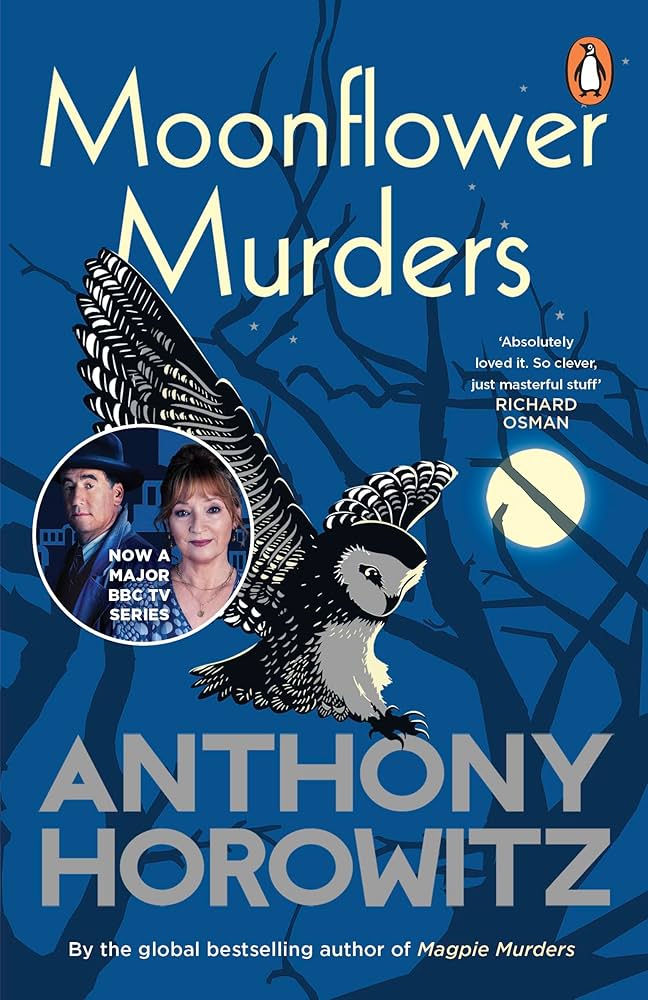
Moonflower Murders
Anthony Horowitz
Orford resident Anthony Horowitz returns to Suffolk in his second Atticus Pünd novel, weaving an engaging blend of 1950s-style cosy mystery with a modern, time-slipping investigation led by a contemporary book editor with strong local ties.
Readers may enjoy spotting familiar Woodbridge-area settings throughout, including the much-loved walk along the River Deben from where a character is believed to have disappeared.
Caroline Peeke
RDA Committee Member and Secretary
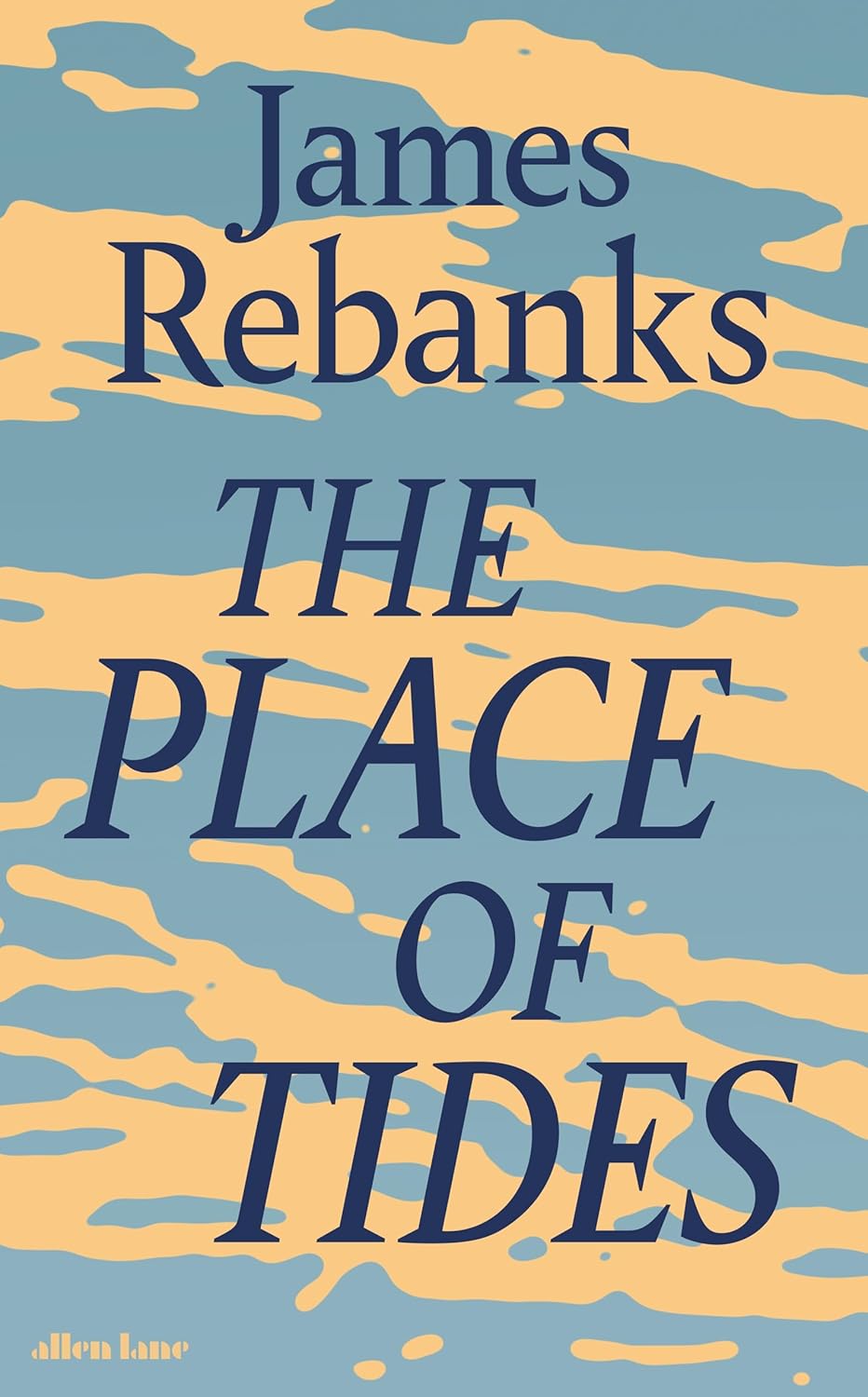
The Place of Tides
James Rebanks
This is a delightful book describing a way of life that has all but disappeared. The author travels to a remote Norwegian Island to experience a season tending wild Eider ducks, then harvesting their down, after they’ve left their nests, following the same patterns that have been used for centuries.
The book will appeal to anyone who appreciates adventure and travel away from 21st-century hustle and bustle, as well as those interested in traditional ways of life and associated crafts.
Sue Orme
RDA Committee Member and Planning & Footpaths/Access Manager
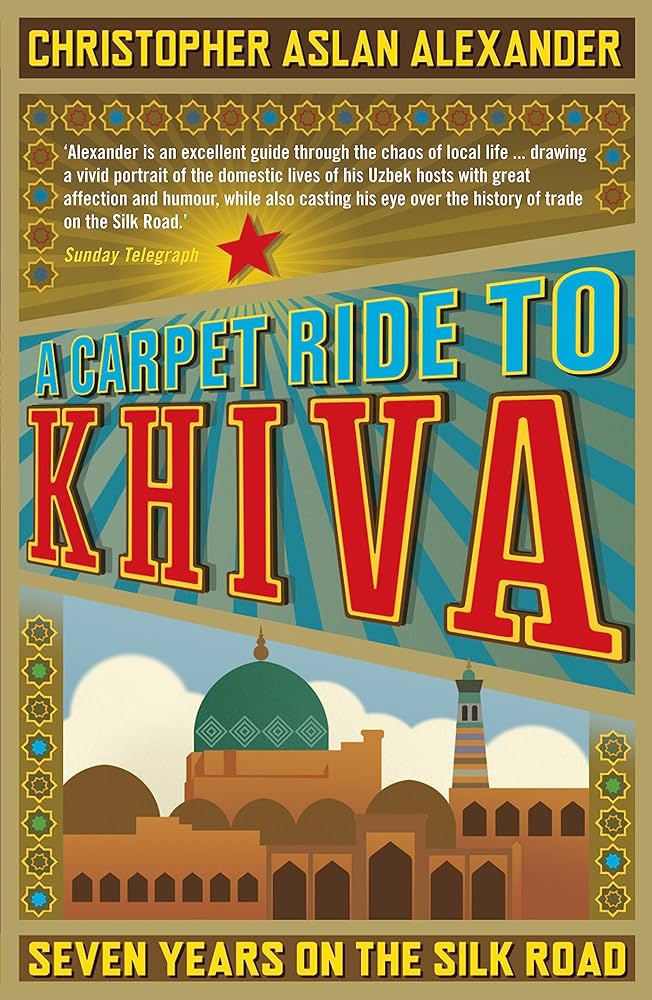
A Carpet Ride to Khiva: Seven Years on the Silk Road
Christopher Aslan Alexander
This is the story of how the author set out to write a travel guide and ended up immersing himself in the community and culture of a desert town in Uzbekistan. The history of the Silk Road is woven into his account of how he began setting up a weaving business for the community he was living within. World politics eventually found its way into his life and affected him beyond anything he could have imagined, but not before he had taken the country and people to his heart.
Tony Carter
RDA Committee Member and Upper Deben Rep
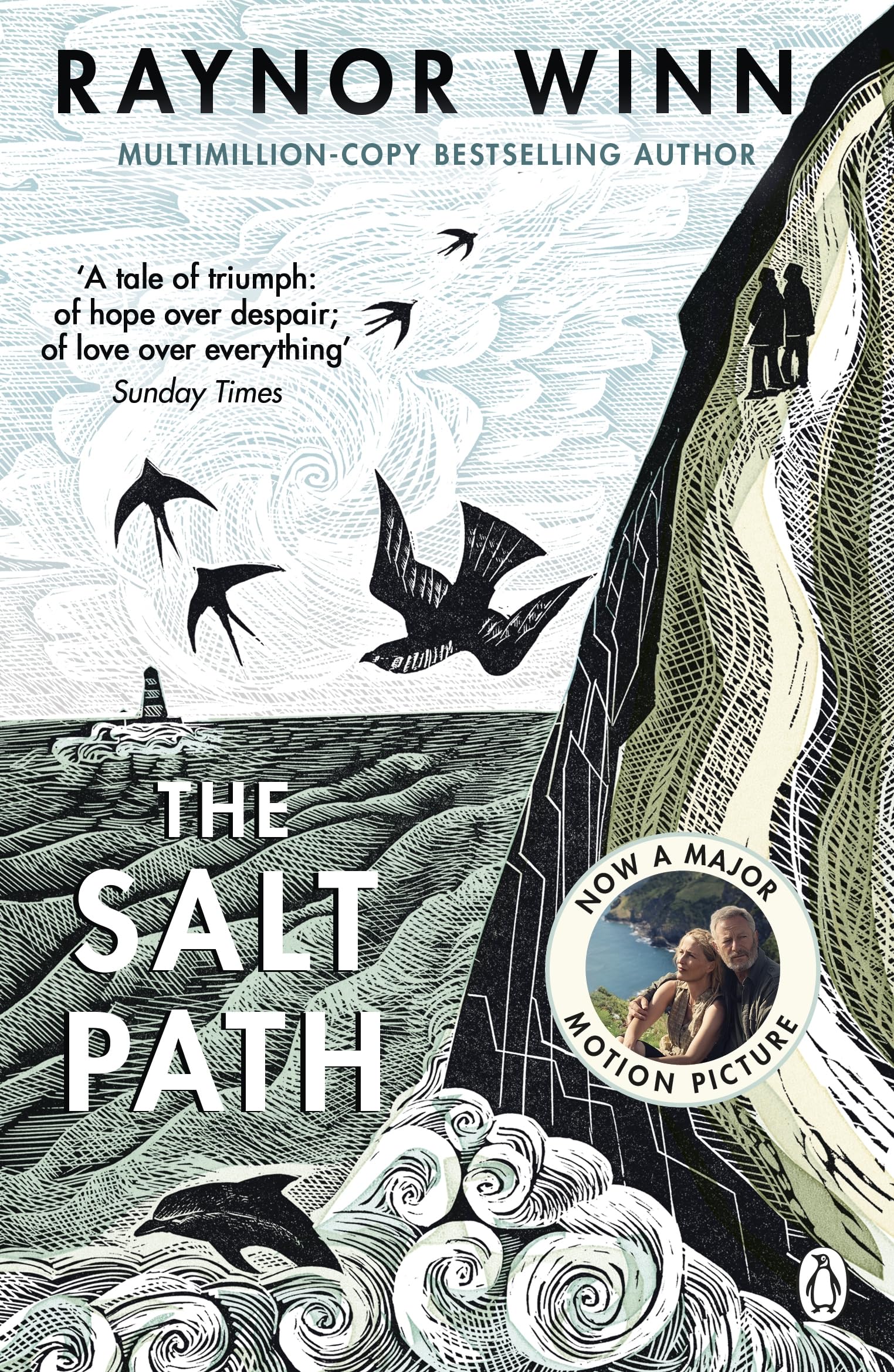
The Salt Path
Raynor Winn
This has become a top seller and read by many, it has also been adopted to a film (that I haven’t seen but I understand is also very enjoyable).
The supposedly-true story is about the author Raynor Winn and her husband Moth, who after losing their home and business through some poor advice leaving them literally with nothing, decide to embark on foot to walk the South West coastal path carrying in their rucksacks all their possessions including a tent.
They walk from Somerset to Devon and Cornwall, and the reader is taken through their journey and reflect on what it’s like to be homeless.
There is now though a degree of controversy as it’s been questioned just how much is really true, but it’s a good read and quite absorbing.
Editor’s Note: Having just watched the Sky documentary investigating The Salt Path 16.12.2025 I think Tony’s phrase ‘supposedly true’ strikes the right note of caution and that this is a memoir which is safest read as fiction.
Tristan McConnell
RDA Member and Publicity Manager
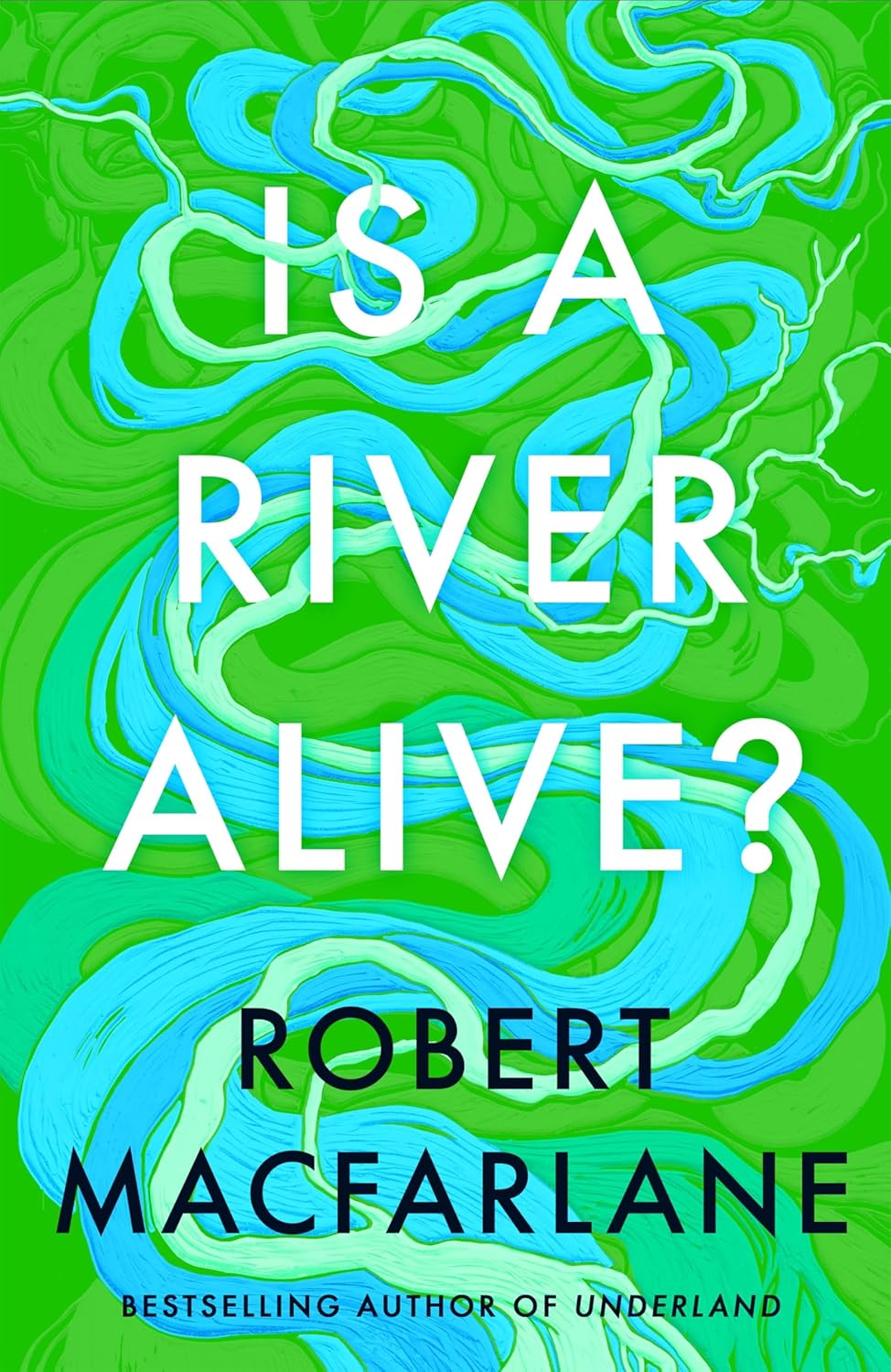
Is a River Alive?
Robert Macfarlane
Celebrated nature writer Robert Macfarlane explores the global rights of nature movement which seeks to expand legal rights to natural entities, such as rivers, forests, and mountains. Through travels to the cloud forests of Ecuador, the wetlands of India, and the rivers of Canada, Macfarlane discovers what it would mean for the environment—and for humans—if we were to shift our perspective and see nature as a subject with rights, rather than an object to be exploited. These ideas are not simply theoretical: local campaign group, Save the Deben, is already advocating for legal personhood for the River Deben. It will surely be a long journey, but it has already begun.
Robin Whittle
Past RDA Chairman and magazine contributor
Precipice
Robert Harris
“In London, 26-year-old Venetia Stanley—aristocratic, clever, bored, reckless—is having a love affair with the Prime Minister, H. H. Asquith, a man more than twice her age. He writes to her obsessively, sharing the most sensitive matters of state.
As Asquith reluctantly leads the country into war with Germany, a young intelligence officer is assigned to investigate a leak of top secret documents—and suddenly what was a sexual intrigue becomes a matter of national security that will alter the course of political history.”
Gillie and I were completely astonished how such secrets were flouted to someone who could easily have been a spy. It is beautifully written and keeps you wondering what could happen next.
Sarah Zins
Past RDA Chairman and magazine contributor
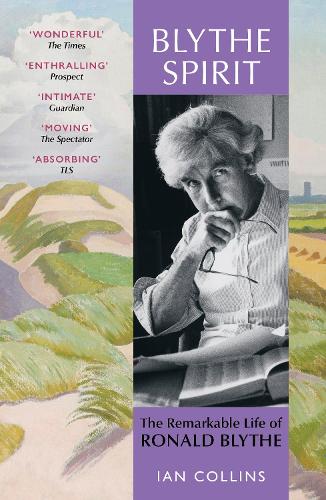
Blythe Spirit: The Remarkable Life of Ronald Blythe
Ian Collins
I am rather presumptuously assuming that many RDA readers will be nature enthusiasts and also keen on writers born and bred in their own county. And if that is the case, Blythe Spirit, Ian Collins’ biography of Ronald Blythe, will prove a delightful read. I have long been a fan of Ronnie’s, not least because of the engaging book he wrote about his experiences in Britten and Pears’ Aldeburgh circle in the 1950s, The Time by the Sea. Later, and more famously, he wrote Akenfield, which was turned into a film directed by Peter Hall in 1974 with a cast of local unknowns, with Ronnie himself playing the part of a vicar.
Ian Collins was a personal friend of Blythe’s and had access to his letters and notebooks. He writes beautifully and charts Blythe’s life from very humble beginnings to being in the midst of an important artistic circle in Suffolk, including John and Christine Nash, Cedric Morris and Patricia Highsmith. You will finish the book lost in wonder at Blythe’s goodness and simple delight in all that surrounded him (endearingly Ian Collins—whom I have seen talk about his book—seems to have similar qualities). Ronnie never lost his ability to observe the Suffolk landscape in its changing seasons and the quotes in the book from his Words from Wormingford will give much pleasure. I recommend this book for anyone’s Christmas present list – you can read it all at once or dip into it, and either way will be charmed.
Claudia Myatt
RDA Member and magazine contributor
From the Devil to the Deep Blue Sea
Clare Allcard
This is an extraordinary book. I’ve never read a biography that reads so much like a thrilling novel that I couldn’t put it down. You expect an interesting but a difficult read; after all, it’s a story of a young woman’s rape and depression which, coupled with untreated chronic pain, led to suicide attempts and incarceration in various mental institutions. This was in the 1960s when ECT and deep narcosis treatments were normal, administered without consent.
Clare’s turning point was a chance sighting of a newspaper interview with circumnavigator Edward Allcard. On impulse, she wrote to him; to her surprise he replied. Delighted now that this is not fiction, you read that they met, fell in love and sailed off into the sunset. A book brimming with honesty, hope and humour.
Peter Wain
RDA Member and magazine contributor
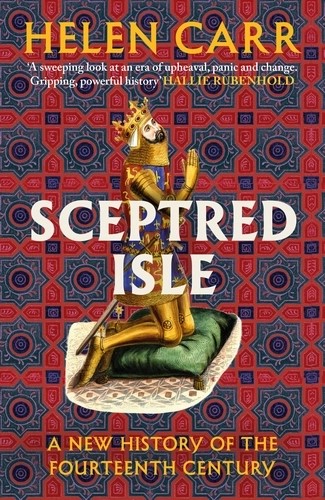
Sceptred Isle: A New History of the Fourteenth Century
Helen Carr
Helen Carr’s brilliant new history of the of the Fourteenth Century, Sceptred Isle, is how history should be told. This is no ordinary history book and Carr’s informative, narrative style makes it both lucid, entertaining and a fascinating read.
The events of Fourteenth-century England are gripping and absorbing. It was a century that saw two of England’s kings murdered. A century that saw cataclysmic weather patterns that destroyed crops year after year. This, coupled with the spread of the animal plague that killed thousands of cattle and sheep, caused widespread starvation. It was a century that saw the death of nearly half of the people in the country as the victims of plague (the Black Death), and through much of the Century England was engaged in a war with France known as The Hundred Years War, which gave rise to the famous English victories at Crecy, Poitiers and, later, Agincourt.
The book is extensively and thoroughly researched and authoritative. The accessible and engaging style and pace makes a complex subject understandable, but, most importantly, exciting. Whether an historian or just interested in history or a good read, this book will not disappoint.
Ruth Leach
RDA Member and magazine contributor
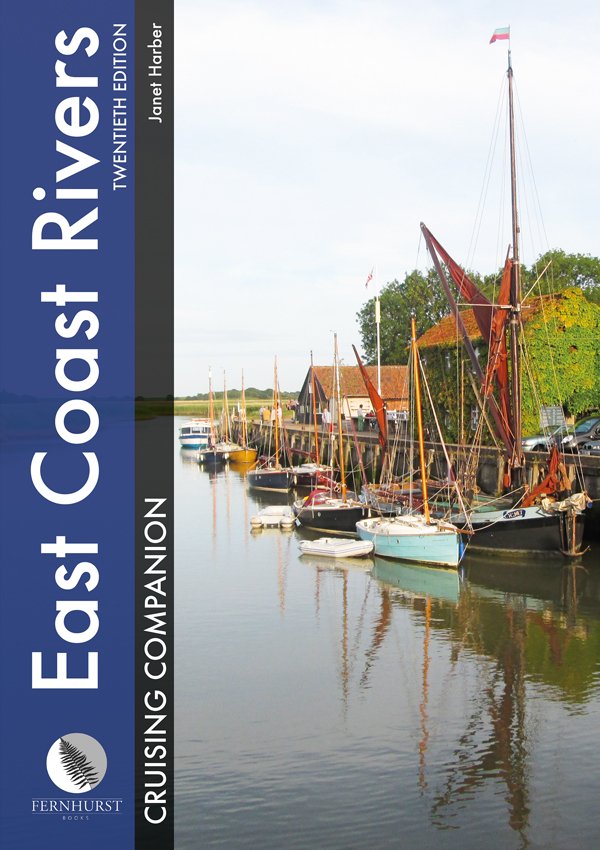
East Coast Rivers Cruising Companion
Janet Harber
This is my current top read—I have been glued to it for weeks, exploring riverways, pouring over maps and dreaming of places that I may well never go. But it is informative and well written with lots of maps that make sense and photos that make me feel at home. I love this book and would recommend it for any sailor (in the making!).

Sally Westwood
RDA Member and magazine contributor
Collins Butterfly Guide: The Most Complete Guide to the Butterflies of Britain and Europe
Tom Tolman & Richard Lexington
Dip into this beautifully illustrated guide to see most of the butterflies you’re likely to see in Britain and Europe. It provides a brief, appropriate introduction to the anatomy and life cycle of the butterfly. Essential details are succinctly given about the range, location, distribution, description, variation, flight time, habitat, and life history of each species. It touches on behaviour and, as we would expect, conservation challenges. It also manages to squeeze in the name and location of the first person who described each species, some of which were observed as early as 1763. Over 2,000 elegant colour illustrations, tempt the reader to develop a deeper interest in these beautiful exquisite creatures.

Stephanie Perks
RDA Member and magazine contributor
Blue Machine: How the Ocean Shapes Our World
Helen Czerski
This is a must read for any human on this planet. It is stuffed full of facts, presented in a readable manner. It is an eye-opener and one that presents the reader with a challenge to put the book down. Immerse yourself this winter in this wonderful book. You won’t regret it.
Sue Ryder Richardson
RDA Member and magazine contributor
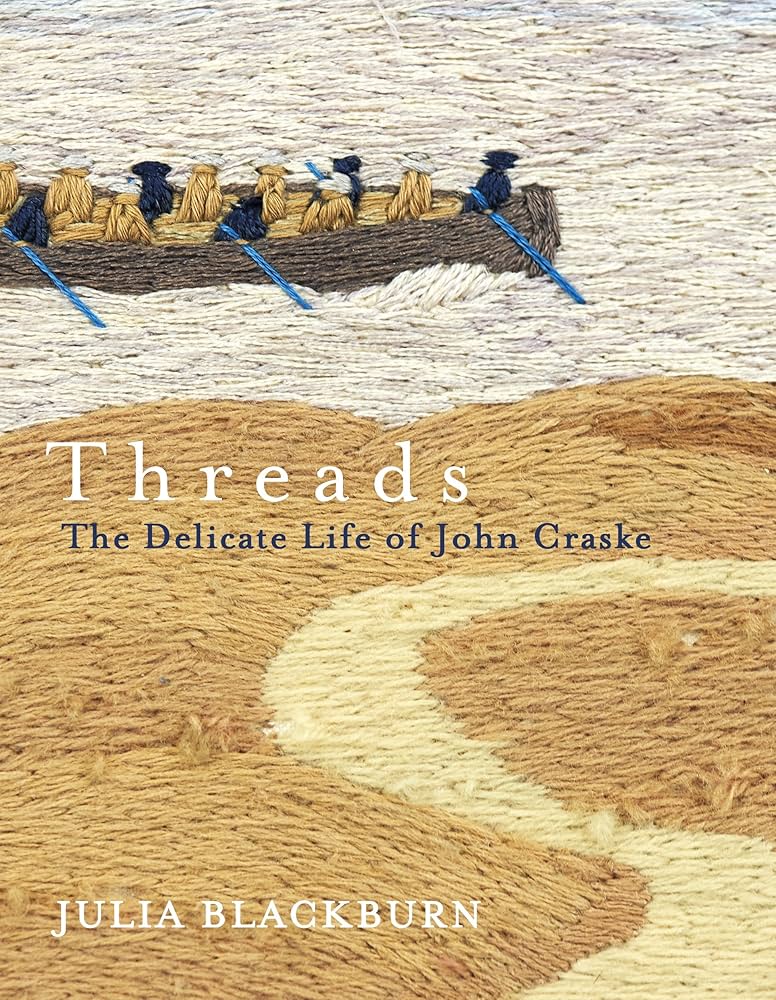
Threads: The Delicate Life of John Craske
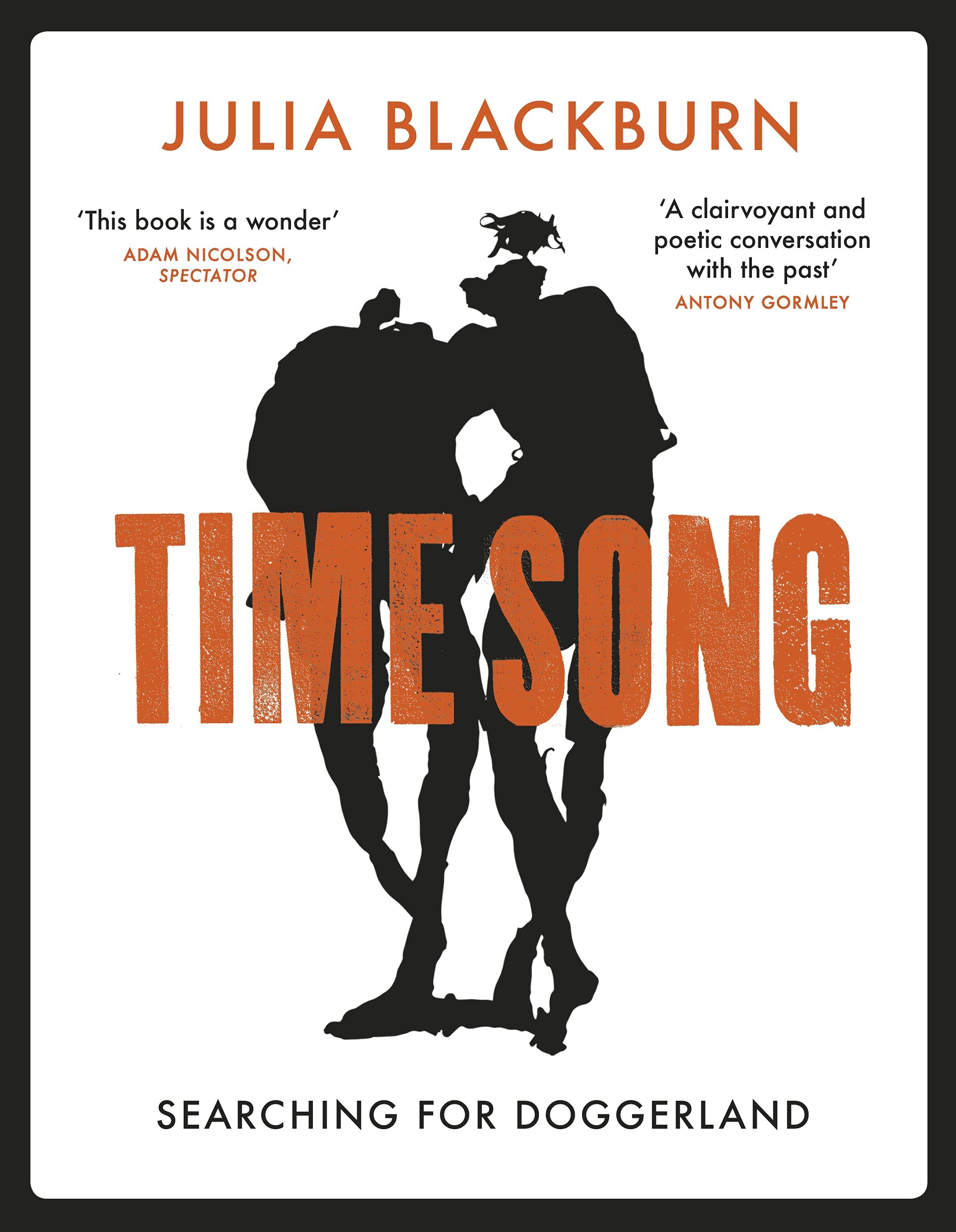
and Time Song: Searching for Doggerland
Julia Blackburn
Despite reading these books some time ago, they have long remained great favourites, perhaps because I, like their author, Julia Blackburn, am rooted in East Anglia—the soil, rivers, sea, marshlands—this all creates an intricate background to both of these works. And, like our vast Suffolk horizons, the books are expansive, exploring themes of nature, evolution, human development, and everything in between. And, as if by magic, take these huge ideas and turn them into small everyday experiences, the minutiae of life.
Both have a meditative quality. Julia muses throughout her writing in an intensely personal way. In both works, the reader makes a journey of discovery with her. In Doggerland to find out how the drowned landscape beneath the North Sea existed, how its people might have lived. The vastness of evolutionary time and space are in turn related to Julia’s own walks and become an examination of her findings on Suffolk beaches and estuaries; a macrocosm turns into a microcosm. It is fascinating and masterful, whilst remaining strangely wistful.
In Threads, Julia literally pulls on the very few threads known of John Craske’s life. A Norfolk fisherman born in 1881, who fell into a ‘stuperous state’ after contracting ‘flu in 1917. In his waking moments he painted, and later embroidered tapestries. His best-known work is Evacuation of Dunkirk, now in the Norwich Museum, at over 3m it is a monumental work for a wheelchair bound invalid. Craske, like Alfred Wallis, the Cornish fisherman artist, was ‘discovered’ and exhibited during his lifetime. This exploration of John Craske takes Julia through an intensely personal time in her own life. The parallel of her own husband’s illness informing her musings on the nature of life and death. It is not morbid. It is joyful. Full of anecdotes and histories of unlikely places and people along our shores.
Caroline Matthews
RDA Member and past Committee Member
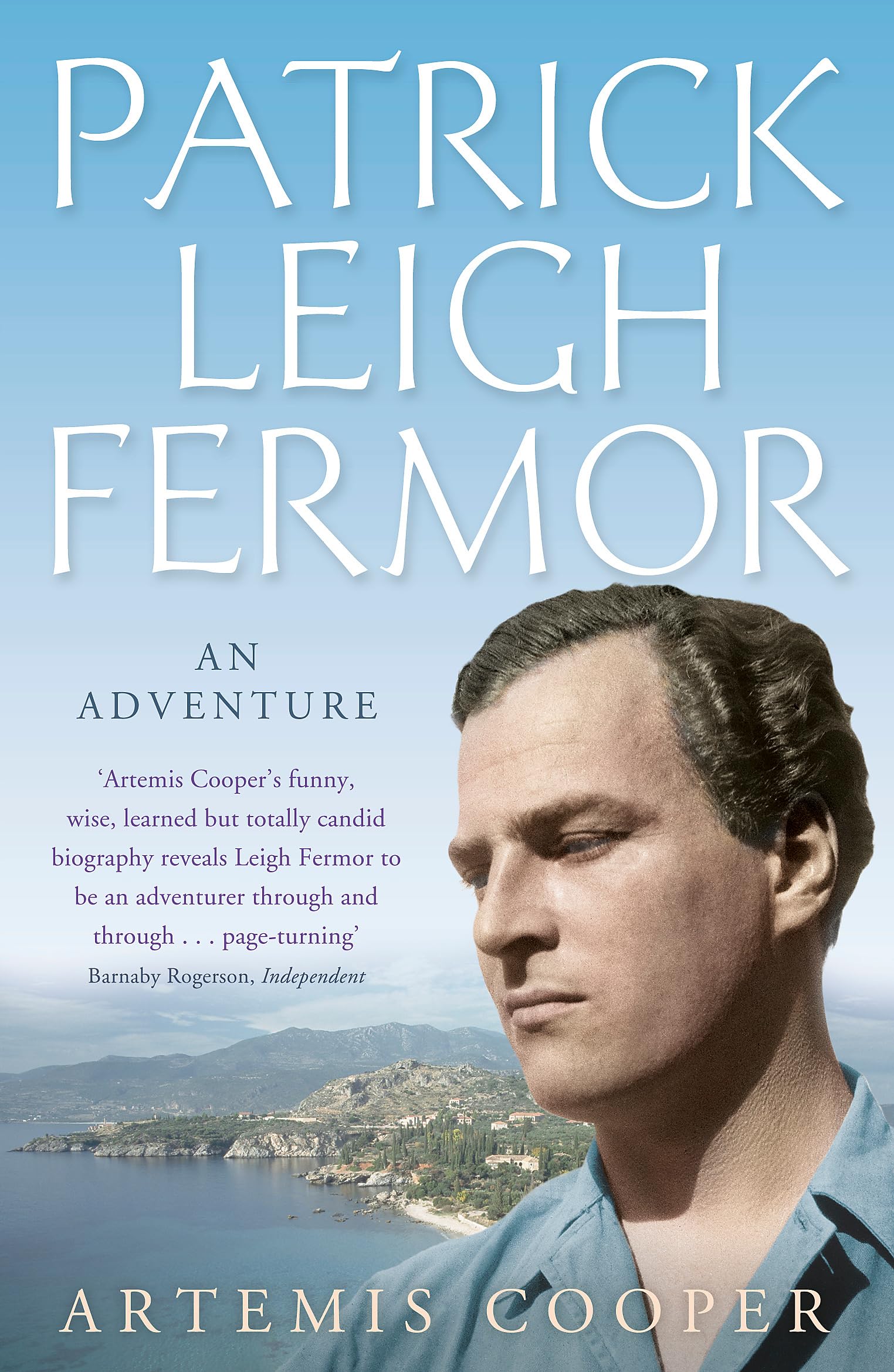
Patrick Leigh Fermor: An Adventure
Artemis Cooper
I recently read Patrick Leigh Fermor: An Adventure by Artemis Cooper. I found it a fascinating account of an extraordinary man who travelled across Europe during the equally-extraordinary events of the 20th century. We visited his house near Kalamata on a trip to Greece.

Janet Harber
RDA Member and magazine contributor
Raising Hare
Chloe Dalton
Chloe Dalton is a political advisor who, until the start of the Covid pandemic, lived in London. When lockdown loomed she returned home to the countryside where, soon after, she stumbled across an orphan leveret. ‘A wild creature that I would have to find a way to feed and keep alive.’ Raising Hare describes how, against her better judgement, she did this.
I read and hugely enjoyed this story at its face value. Chris Packham describes the book as ‘exceptional’. It won the Wainwright Prize for nature and conservation writing. However, a couple of my friends who read it have queried the ethics as to whether the author should have adopted the leveret in the first place.
Sue Quick
RDA Member and magazine contributor
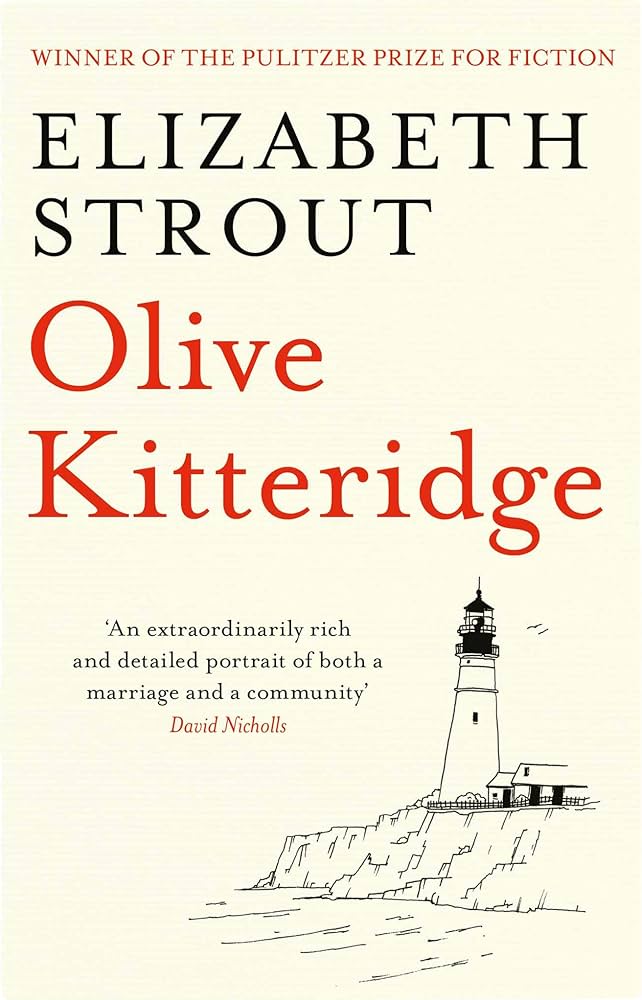
Olive Kitteridge
Elizabeth Strout
This novel won the Pulitzer Prize for fiction in 2009 and was voted as one of our bookclub favourites this year. It is a wonderful series of stories, set in a small coastal town in Maine, which felt as if it could be local to our river estuary. You are introduced to Olive and members of her family and community where she had been a schoolteacher; their narratives tell of the mundane as well as the triumphs and tragedies of life in the town. It is easy to recognise ourselves and people we know in the situations that affect us all, feeling the full range of emotions through her observations and opinions. Funny and heartwarming, it’s one of those books you could read again!
Jesse Gillespie
Boatbuilder at RDA members Woodbridge Boatyard
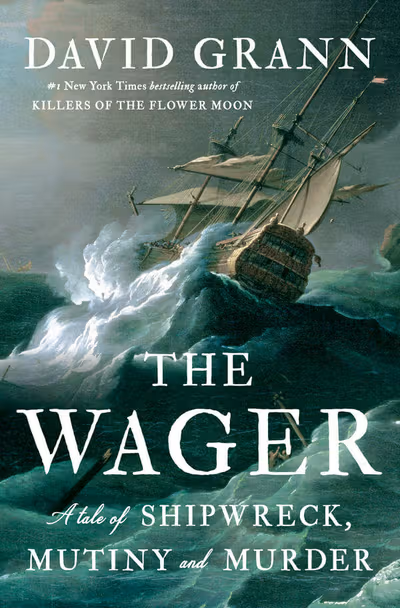
The Wager: A Tale of Shipwreck, Mutiny and Murder
David Grann
The Wager by David Grann (Simon and Schuster, 2023) tells the true story of the 1740 voyage and subsequent wreck of the Wager, a British ship sent around Cape Horn as part of a squadron to intercept a cargo of Spanish treasure.
Grann’s vivid and accurate portrayal of the extreme hardship of life at sea in the 1700s and what happens when things go wrong make this book a deeply impactful read. This is not just a book for boat nerds; Grann’s accurate but highly readable account draws the reader through this astonishing story of endurance, betrayal and survival.
Bertie Wheen
RDA Member and magazine typesetter
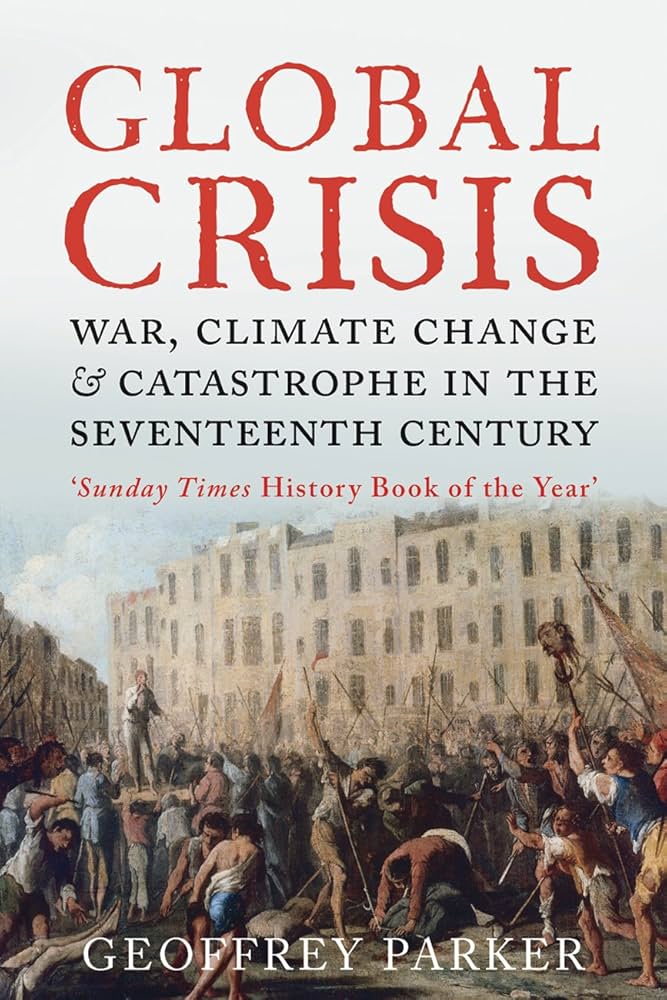
Global Crisis: War, Climate Change & Catastrophe in the Seventeenth Century
Geoffrey Parker
Throughout much of the seventeenth century, throughout much of the world, previously-rare climatic and political events became devastatingly commonplace.
Harvests would not only fail, but do so several times in a decade—or in a row. Great rivers froze often, and profoundly—sometimes for months at a time. There were record floods, record droughts, record famines. People were flung from one natural disaster to another, to another:
‘In the Caribbean, [torrential rains] created optimal breeding and feeding conditions for the vector of both malaria and yellow fever: the mosquito. The first yellow fever pandemic in the New World began, [and] the rains were followed by “such a hard and extraordinary drought that it rendered the land sterile and produced such intense heat” that wildfires raged throughout Yucatán, destroying all crops left by the drought.’
Accompanying these climatic catastrophes were those of the man-made variety—those of power and control.
‘The Aegean and Black Sea regions experienced the worst drought of the last millennium in 1659, followed by a winter so harsh that the Danube at Girugiu (200 miles inland from the Black Sea) froze so hard in a single night that the Ottoman army marched across the ice into Romania, “laying waste all the villages and leaving no blade of grass or soul alive anywhere”.’
As rulers tried to secure their positions against the precarious times, extraordinarily many wars were fought (and often heavy taxation wrought). In the increasing desperation came many rebellions—of subjects against monarchies, and countries against empires.
Though it can make depressing reading—featuring about as much death and misery as one can really cram into a given cubic centimetre of book—as an account of the effects of climate change, it does give a sobering perspective on quite how extreme weather can become, and how much we should want to avoid causing such catastrophe.
It is a big book—featuring many cubic centimetres—but I think it’s an important one, and one that should be owned, at least partly read, and returned to for periodic reminders.