by Richard Verrill
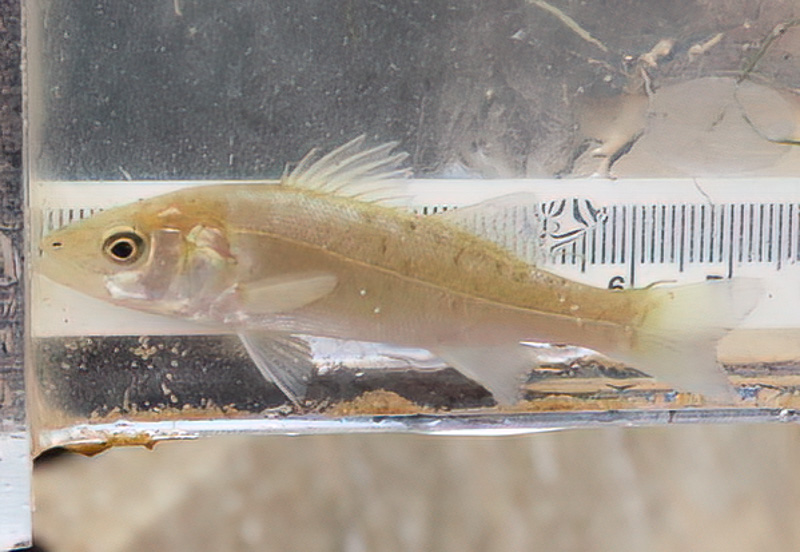
The River Deben Association was recently contacted because of concerns about fishing at Wilford Bridge. I was asked to write about the current regulations for recreational fishing in the Deben.
The regulations are quite complex and are different for freshwater fishing, which is regulated by the Environment Agency and saltwater fishing, which is regulated by Eastern Inshore Fisheries Conservation Authority (IFCA). The demarcation between salt water and fresh water on the Deben is defined as Wilford bridge and so the question that has been raised is interesting as there are different rules depending on whether fishing is done upstream from the bridge or downstream.
Freshwater Fishing
In order to fish above Wilford Bridge you must have a rod licence if you are over 13. A licence is required whether you are fishing from the bank, wading or from a boat. The licence is available from the Environment Agency – https://get-fishing-licence.service.gov.uk/buy/licence-for#.
Fishing on freshwater river is prohibited between the 15th of March and the 15th of June. Most of the freshwater Deben runs through private land. The rod licence alone does not give you permission to fish you must also have the consent of the landowner. The rod licence allows fishing with 2 rods that must be attended. On the Deben it is recommended that all fishing in the freshwater section is catch and release.
Saltwater Fishing
The Deben provides ample opportunities for the saltwater fisherman. There are legal minimum sizes and also some guidance on size where there is not a defined size – https://www.gov.uk/government/ publications/minimum-conservation-reference-sizes-mcrs.
Below are the current rules (summer 2026) for some of the species found in the saltwater stretch of the Deben
Sea Bass
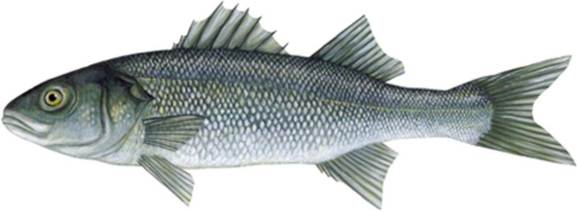
Sea Bass are one of the most common species of fish in the Deben. During February and March they are catch and release only. The rest of the year it is lawful to catch on a rod and line but must be released back to the river if they are smaller than 42 cm from the front of the head to tip of tail. No more than 3 may be taken per rod per day.
Eels
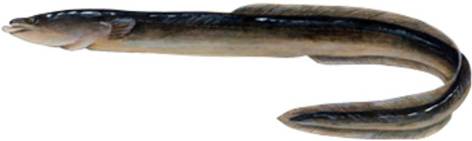
Eel Numbers have declined alarmingly in the last decade although there are some indications that they are returning to the Deben. Currently they are strictly catch and release only.
Thornback Ray
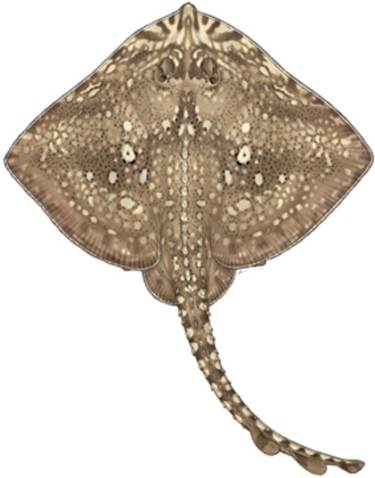
Thornbacks are a relative newcomer to the Deben but are now caught quite often. There are currently no UK wide laws regarding their catch or size but anglers are encouraged to catch and release. If they are kept best practice is to only take those more than 41 cm from wing tip to wing tip.
Grey Mullet
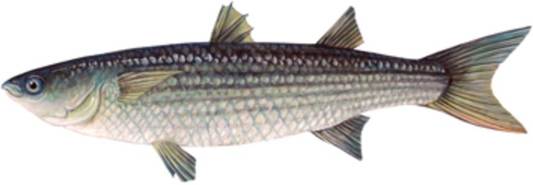
Grey Mullet are common in the Deben but are a particular challenge for the angler as they have very sensitive mouths and are reluctant to take bait. Currently there are no restrictions in place for recreational fishing.
Flounder
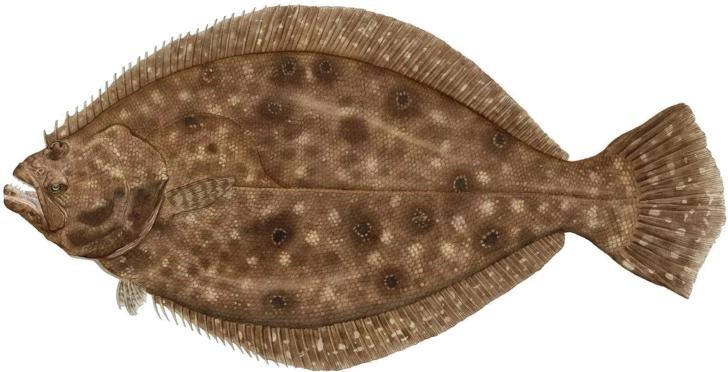
Flounder used to be common in the Deben but numbers have declined in recent years. They are catch and release unless they are over 27cm.
In the winter cod can be fished in the Deben. They have a minimum keeping size of 35cm. Whiting are also found in the winter months but can only be kept if over 27 cm. Herring, once abundant in the Deben, have been caught again. Their minimum size is 20 cm.
Fish stocks in the UK are closely monitored and catch recommendations are in place to help conserve fish populations. I hope that this guidance will help to conserve the stocks we have in the River Deben.
Although this article is correct at the time of publication it’s important to be aware that the regulations constantly change, particularly with Sea Bass. It might be sensible to make a footnote reference to check with Eastern IFCA on current regulations. https://www.eastern-ifca.gov.uk/regulations/ This page also gives current guidance on minimum sizes for a range of local species.
Richard Verrill
Richard Verrill is a member of the RDA Nature and Conservation sub-committee and organises the annual River Deben fish survey. Before retirement he was a GP at Framfield House surgery in Woodbridge.