by Julia Jones
I sometimes feel that we don’t do enough for people with disabilities on the Deben. I’m correspondingly glad that we are near neighbours of The Woolverstone Project. I know that many Deben people are already involved with the Project either as volunteers or as fund raisers or financial supporters. Perhaps you, or someone you love, benefits from its activities? This article is for those who may not already know about the project. Perhaps they, like me will feel that they could do more to support its work for people with physical or mental disabilities. Time spent on the water does us good.
I have the job of writing a short column on marine charities every month for Yachting Monthly magazine. I am regularly amazed by the passion and dedication of the people who run them, particularly the volunteers, and I am deeply moved and humbled by the people who use their services. The problems and the life-limiting conditions other people live with are hard to imagine and the potential relief of a few hours on the water, facilitated by a charity, is disproportionately important. Writing about these organisations and the people they support, makes me realise how much I take for granted — and how easily a stroke, a car accident or some overwhelming mental trauma could take it all away.
When I visited the Woolverstone Project, one breezy Monday morning in May, I met John, an experienced sailor who had suffered a stroke. He had become deconditioned by a lengthy hospital stay and felt depressed by so many post-stroke ‘activities’ which appeared to offer little more than sitting round a table drinking coffee. This changed when he met Graham, the Woolverstone Project’s Chief Instructor. ‘At last there was someone who spoke my language.’ John likes to sail alone and the Woolverstone Project has some single-handed dinghies which enable him to do so.
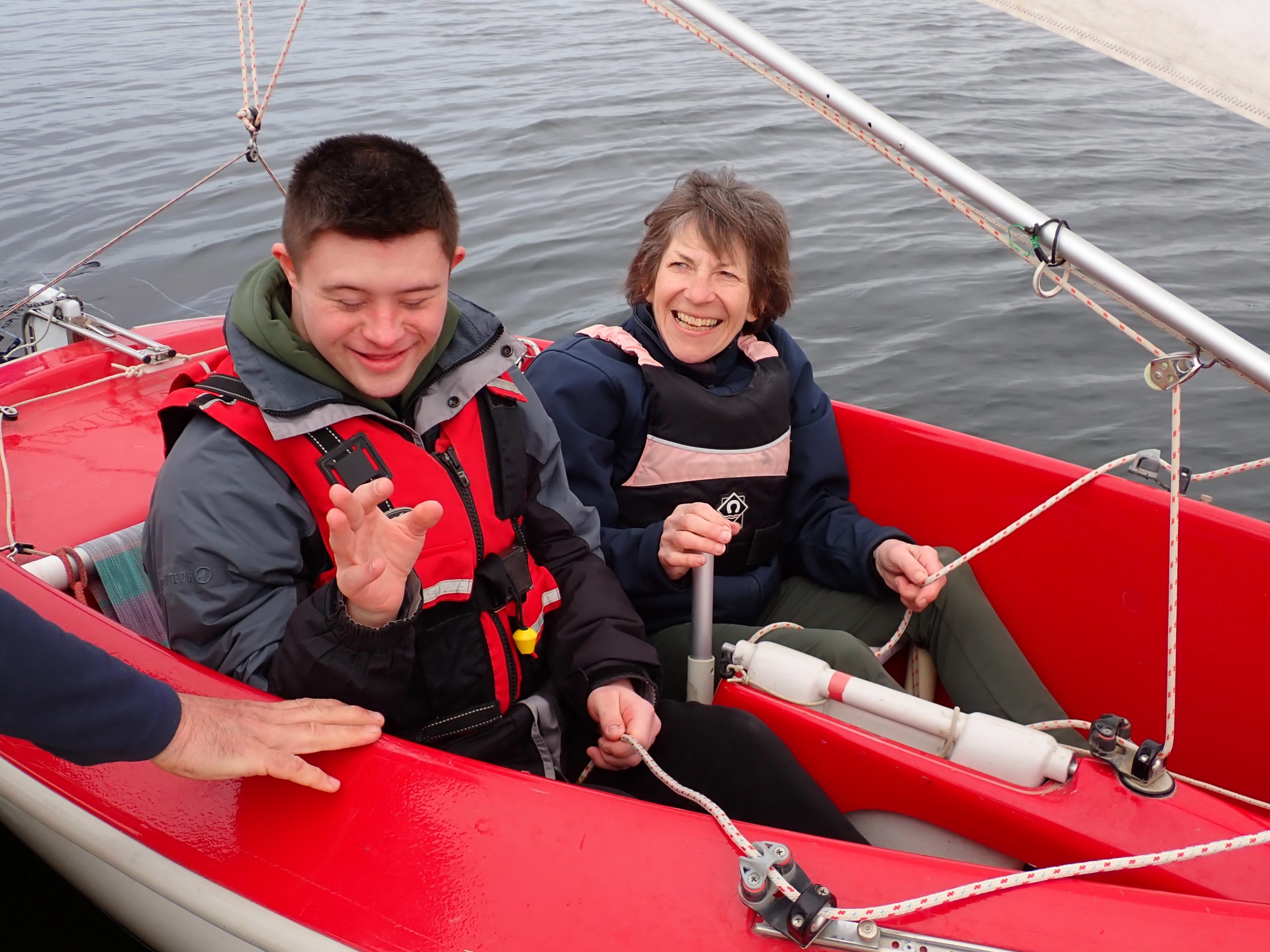
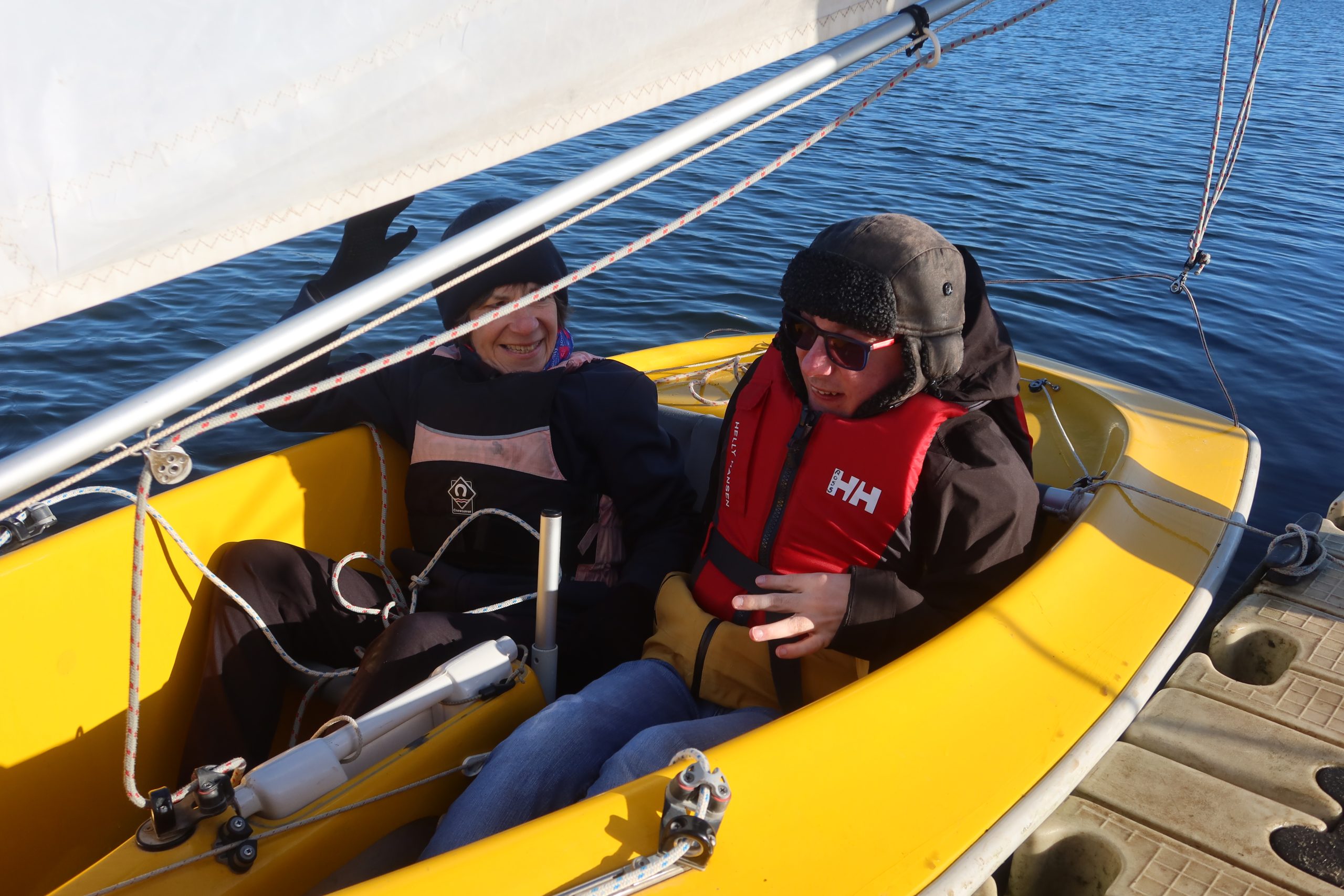
The Woolverstone Project Action Line on a Monday morning in May, had reported conditions as cool and breezy with a likelihood of rain. The atmosphere around the project buildings at Alton Water was cheerful and purposeful. A number of disabled adult sailors took to the water using the Project’s Hansa 303 two-person dinghies. The wind was gusty and it was thought wisest to sail with volunteer buddies. I was delighted to be paired with 81-year old Leslie Downing as my volunteer buddy. She’s a highly experienced sailor from the Alde and gave me a great feeling of confidence.
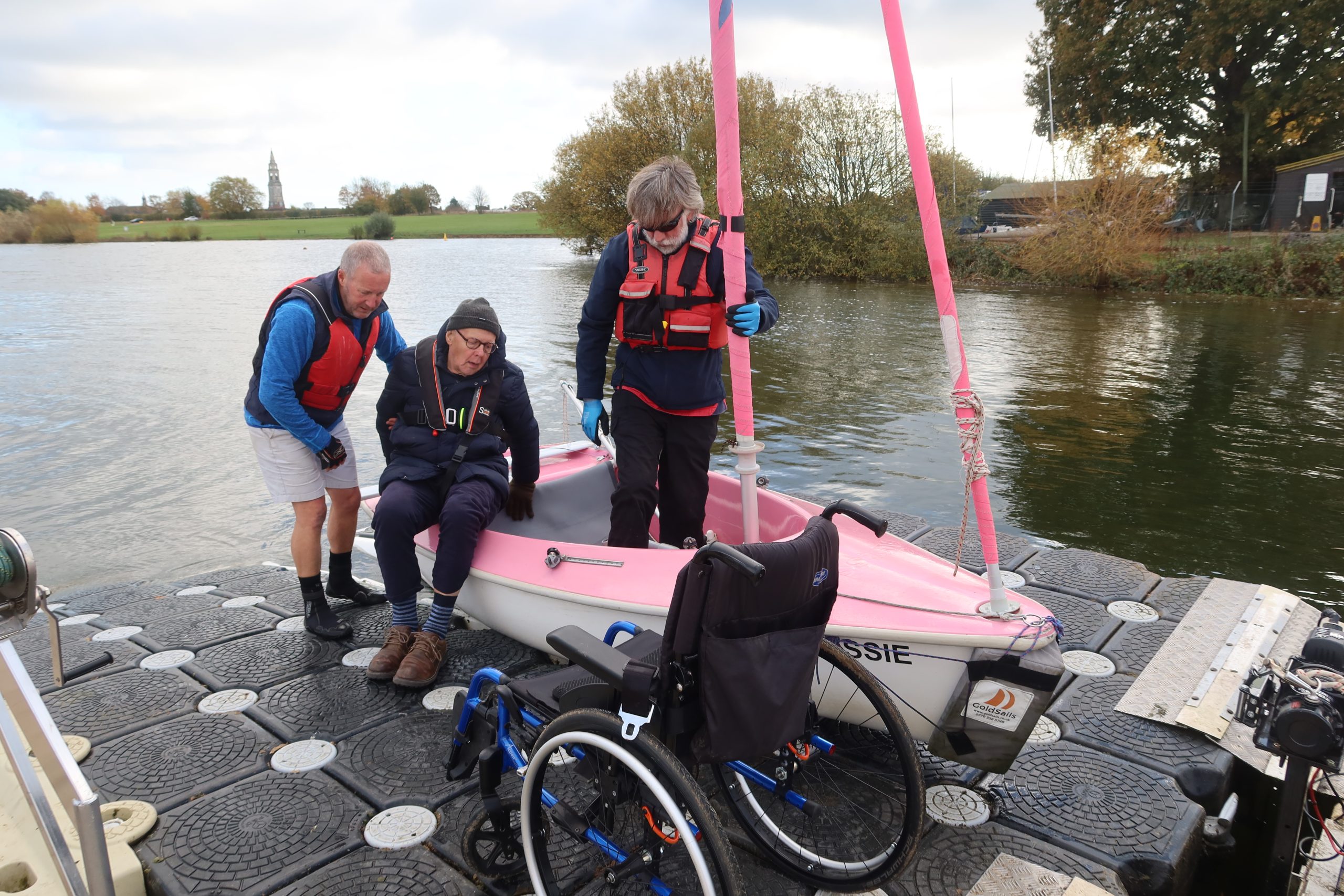
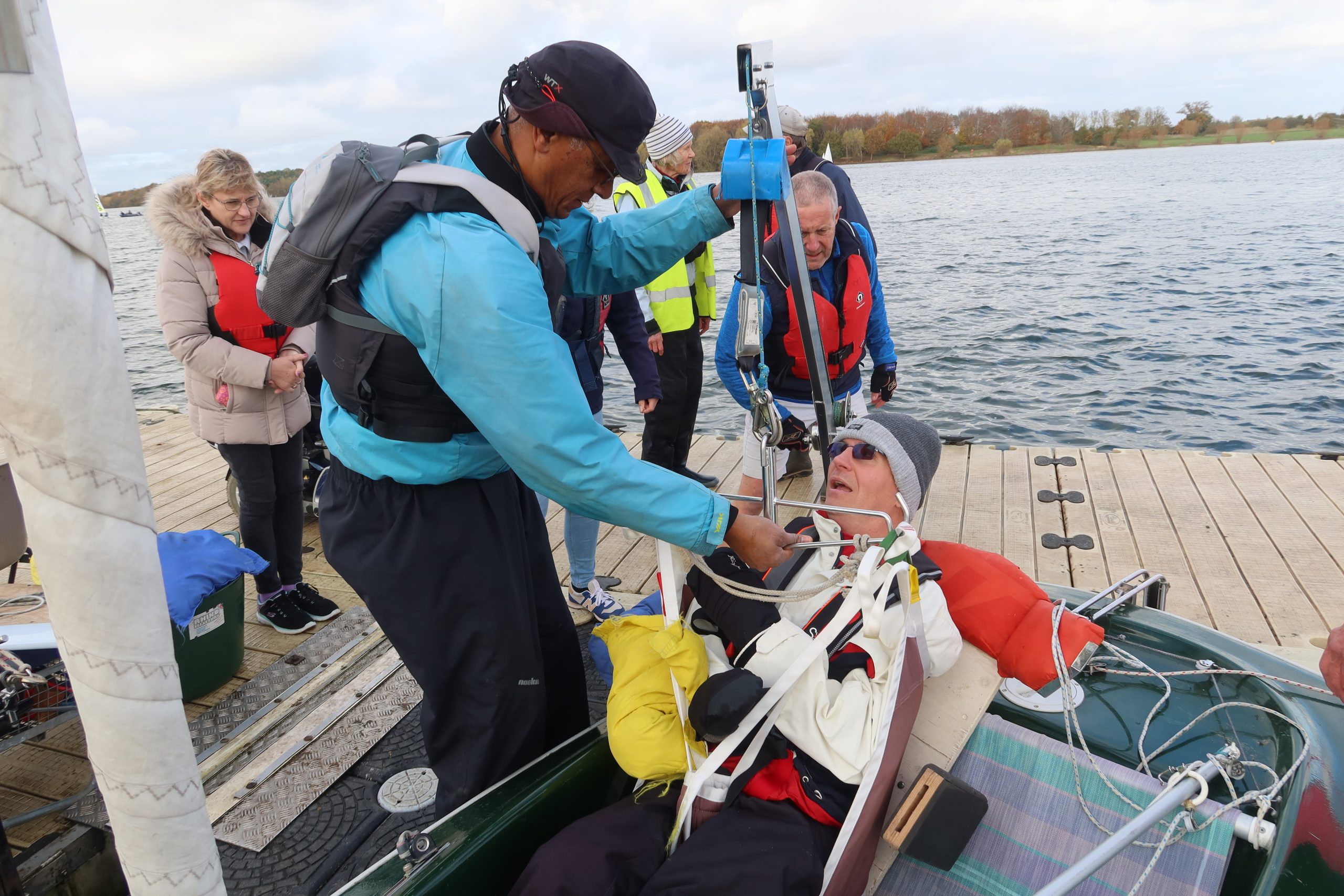
Project volunteers helped me on board the Hansa 303, a sturdy, un-capsizeable, 2-person dinghy, though there was a hoist available had I needed it. Leslie and I sat deep in the dinghy, facing forwards. Everything could be managed from where I was sitting. Leslie treated me as she would have treated any first time sailor, whatever their disability. She helped unobtrusively when needed and watched to ensure I wasn’t alarmed as the 303 picked up speed. The Hansa 303s are quite lively dinghies, capable of taking disabled sailors from their first days on the water to national competition level, if required.
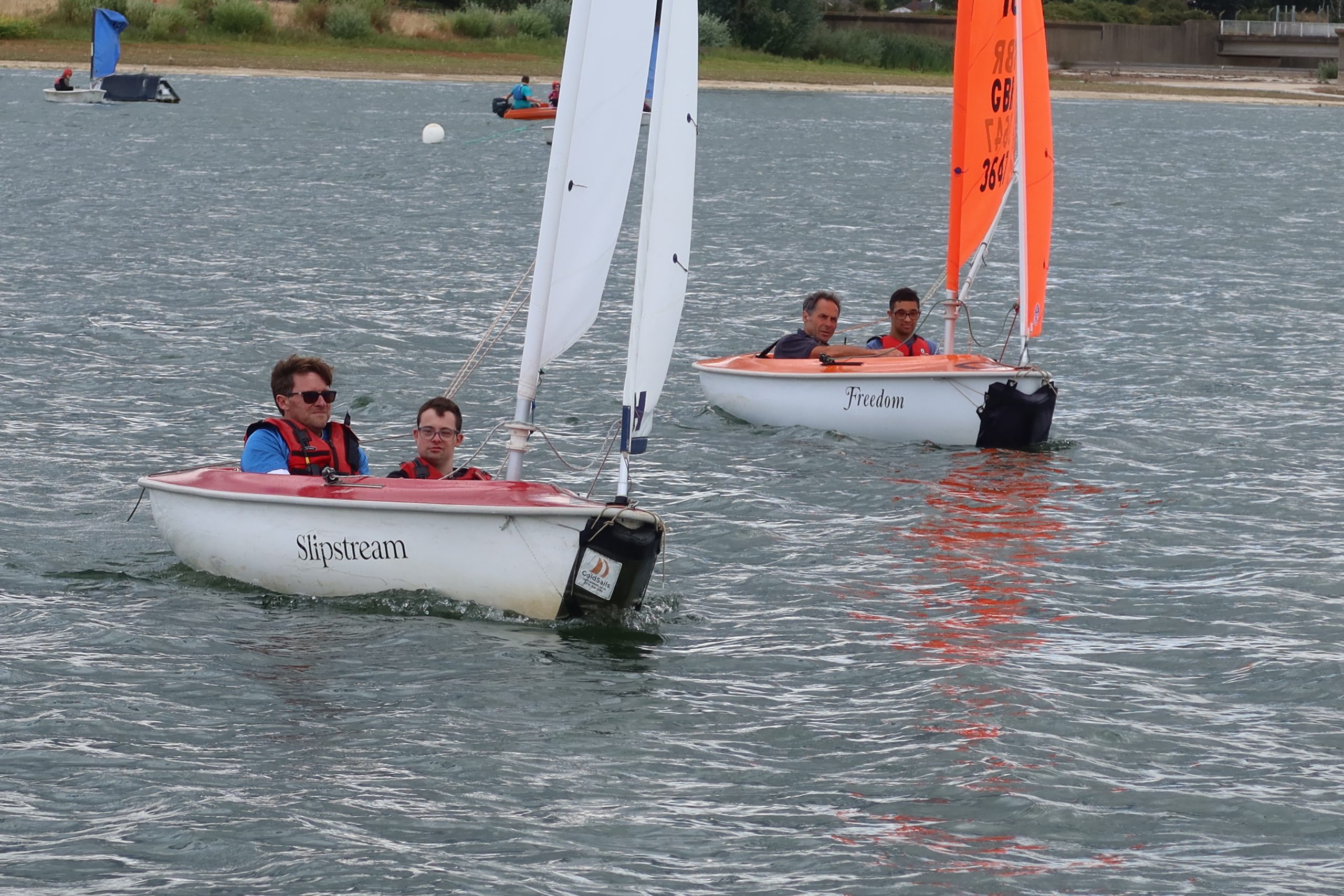
The Woolverstone Project is part of the RYA Sailability initiative and can offer different levels of qualification to both participants and volunteers. There’s no pressure to obtain qualifications, however. The idea is purely to find freedom and fun on the water. As well as the 11 Hansa 3.03s, the Project owns 9 Hansa 2.3s (single-handers), three Challenger trimarans and two RS Venture dinghies. At Woolverstone itself they have a Sonar keelboat which will take up to six sailors, purchased from Paralympian Hannah Stodel. There are also now two Wheelyboats with roll-on wheelchair access, offering time on the water for those who prefer not to sail. Carers and family members are welcome. At the end of the season last year the Project relocated a Wheelyboat to the Walton Backwaters from where participants were able to go seal-watching. This summer there had been a plan to bring one of the Wheelyboats round to the Deben Yacht Club in Woodbridge (which has disabled access) and offer people a glimpse of a different river. Regrettably poor conditions at sea prevented the Wheelyboat from making the trip.
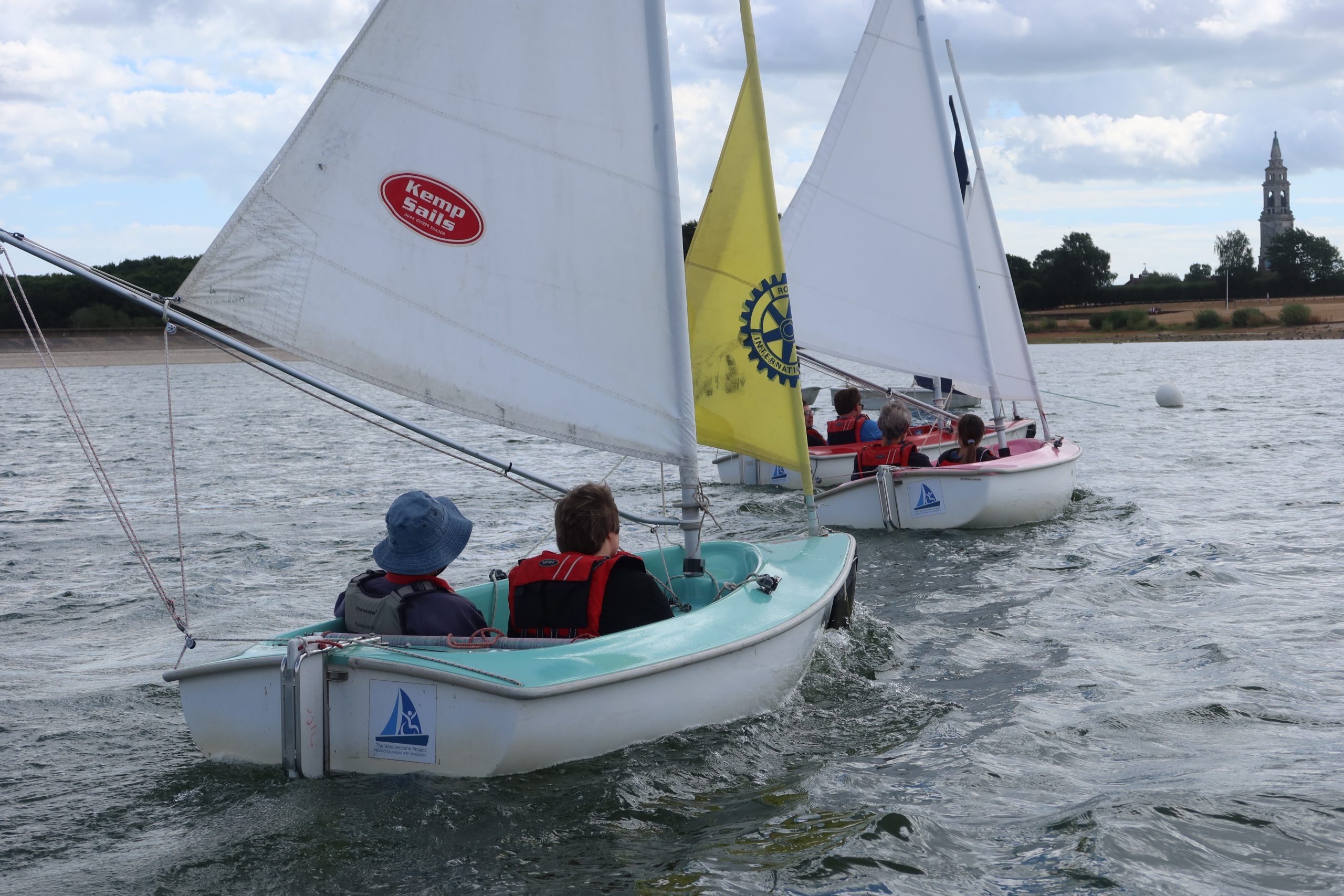
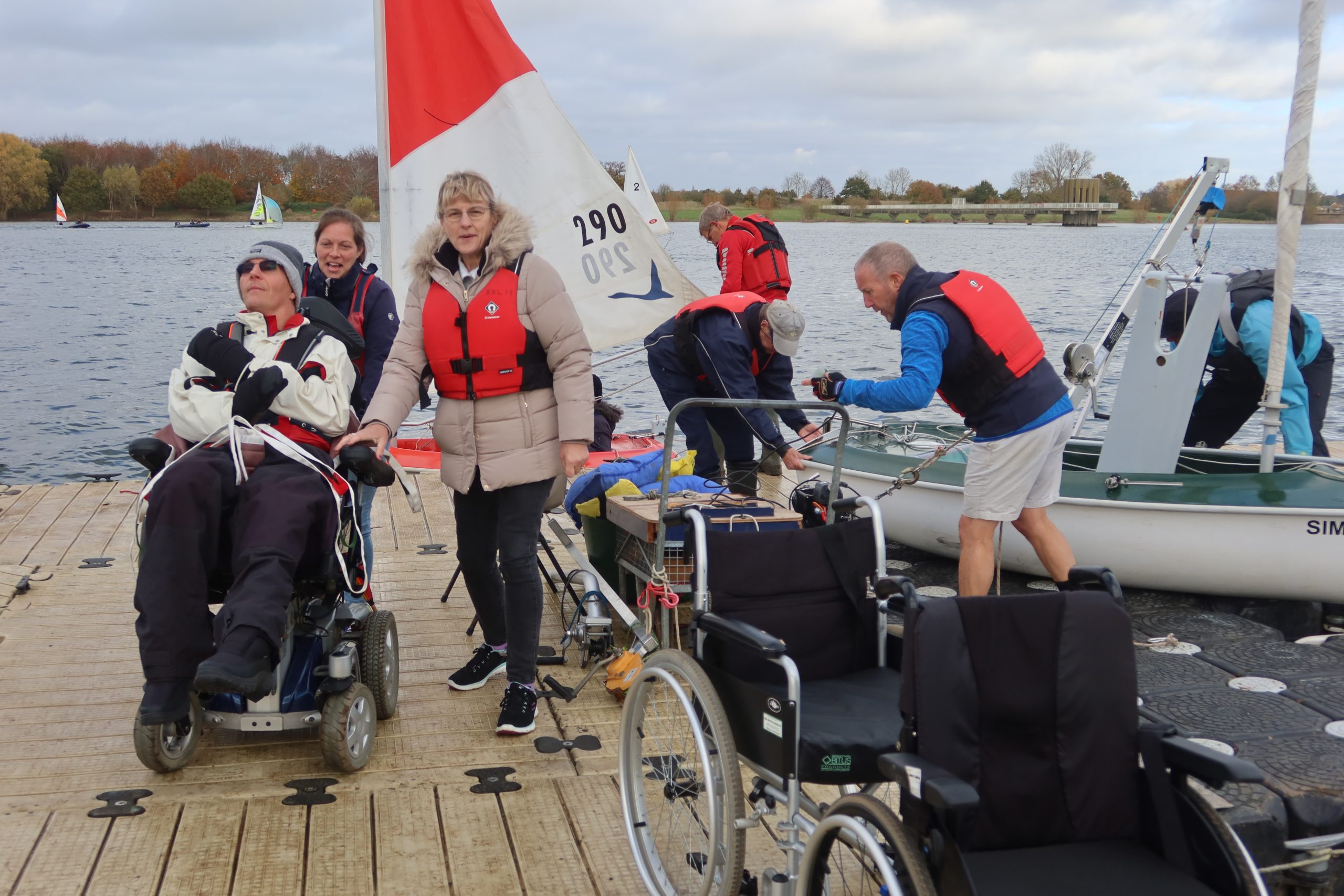
Some of the Alton Water sailors were non-verbal. Their body language told me how much this meant to them. The project operates every weekday, working with groups from special schools around the area both on the reservoir and the river. This can be very challenging as some of the young people are epileptic, others live with autism and there are a range of complex medical conditions specific to individuals.
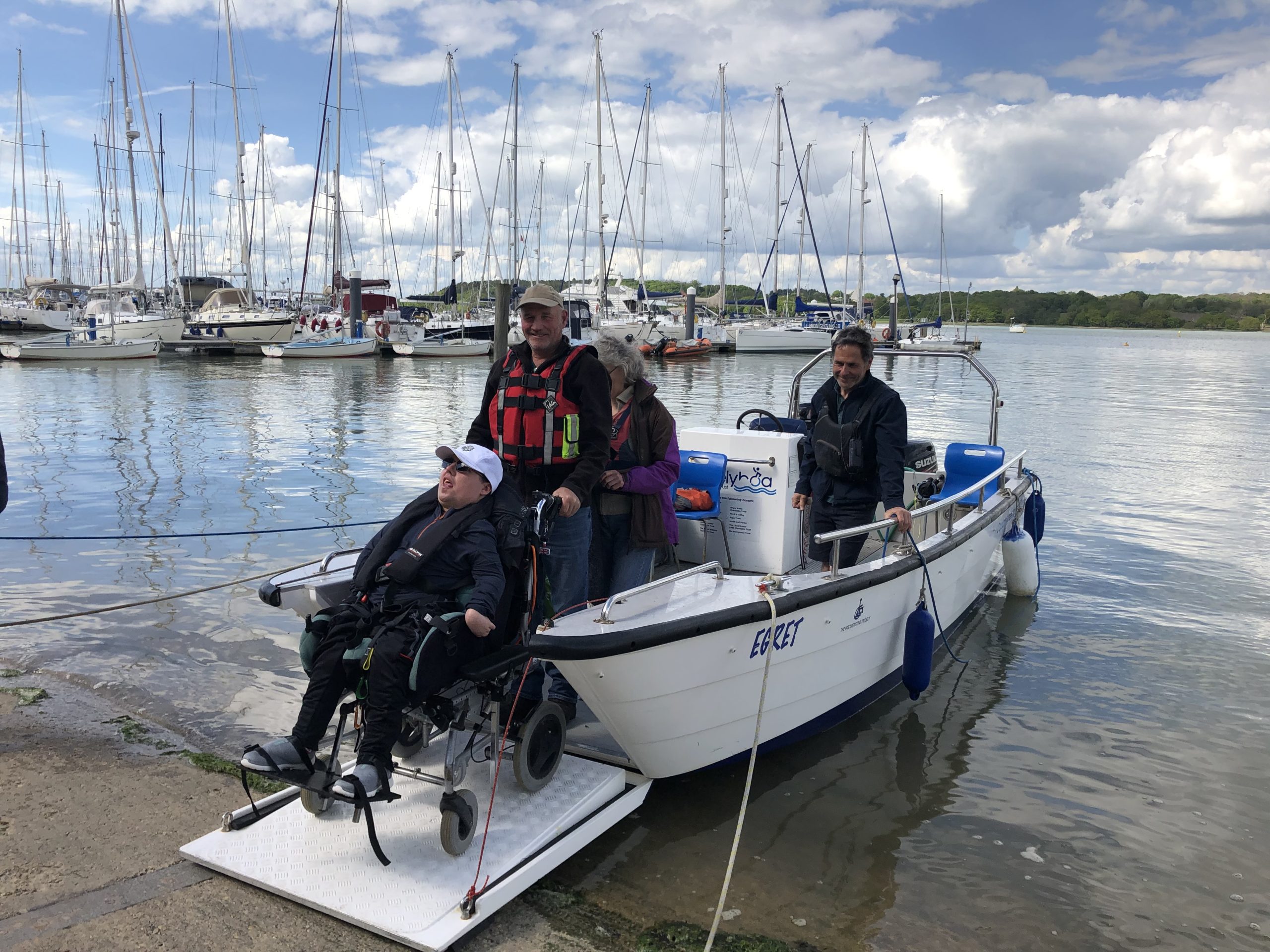
With disabled sailors of all ages it’s important to know their individual dislikes and phobias as well as their pleasures and preferences. On the morning I was there I met one young man who could only respond to questions with expletives; another who was made very anxious by the presence of a small dog. The atmosphere however was always cheerful and positive. Volunteers were undertaking a variety of jobs off the water, as well as on the pontoon and in the dinghies: making teas and coffees, helping with the buoyancy aids and safety equipment, preparing the dinghies, keeping maintenance jobs up to date. I spoke to Peter, a member of Ipswich Rotary Club, who was acting as volunteer lookout and was quietly enjoying playing his unobtrusively useful part. Mark, the senior instructor that morning described his role as ‘a combination of doing something worthwhile and doing your favourite thing.’
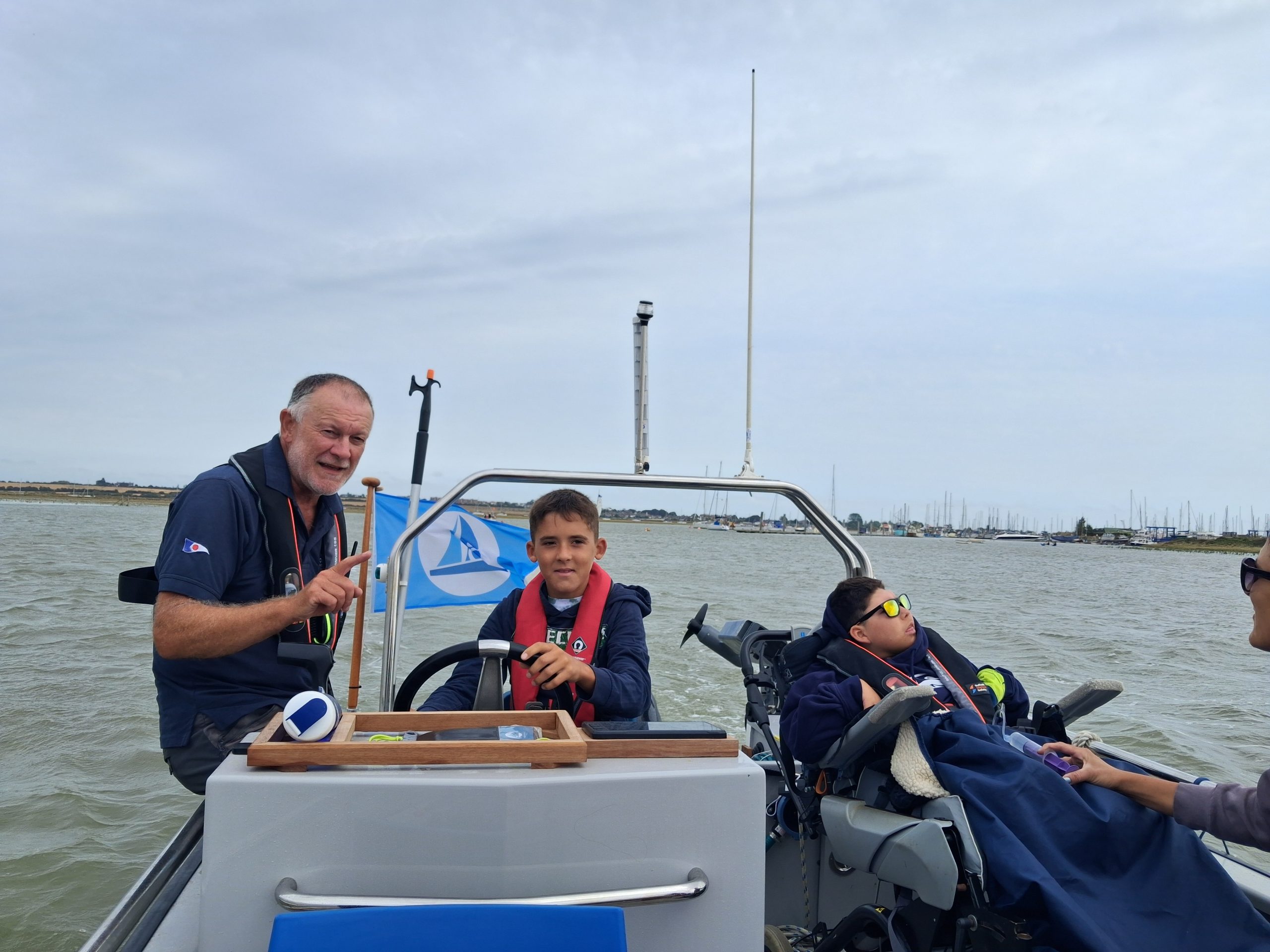
Donal, a regular Monday morning attendee said simply, ‘On Monday mornings I come alive.’ Shirley, whose husband Dennis, attended for more than ten years before he passed away agreed, ‘This was his lifeline’.
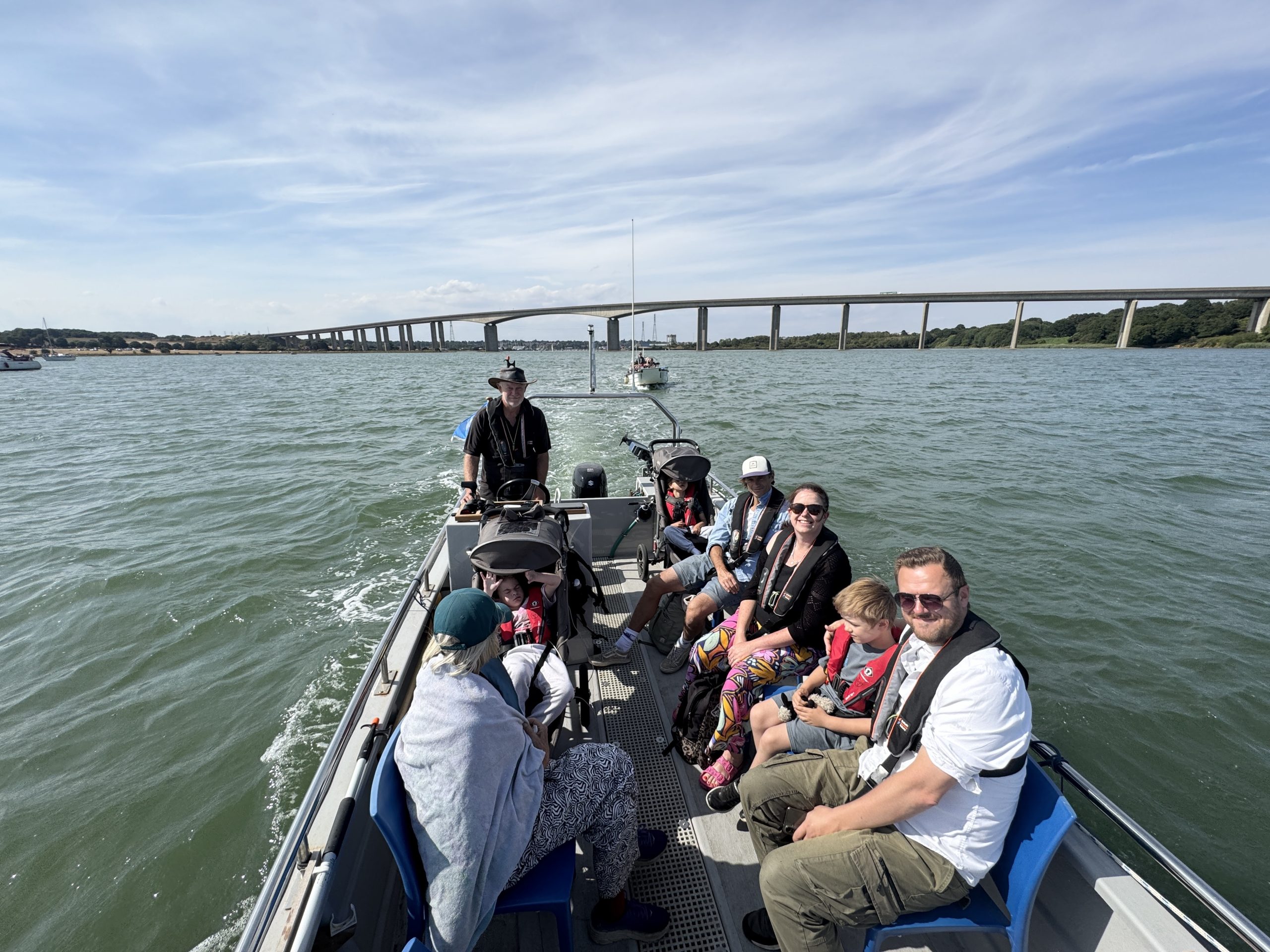
The Woolverstone Project would like to thank the various clubs and groups from the Deben who support them in different ways – some by volunteering, others with money or facilities. Not forgetting Claudia Myatt who has done their Christmas cards for many years. You can buy these through their website.
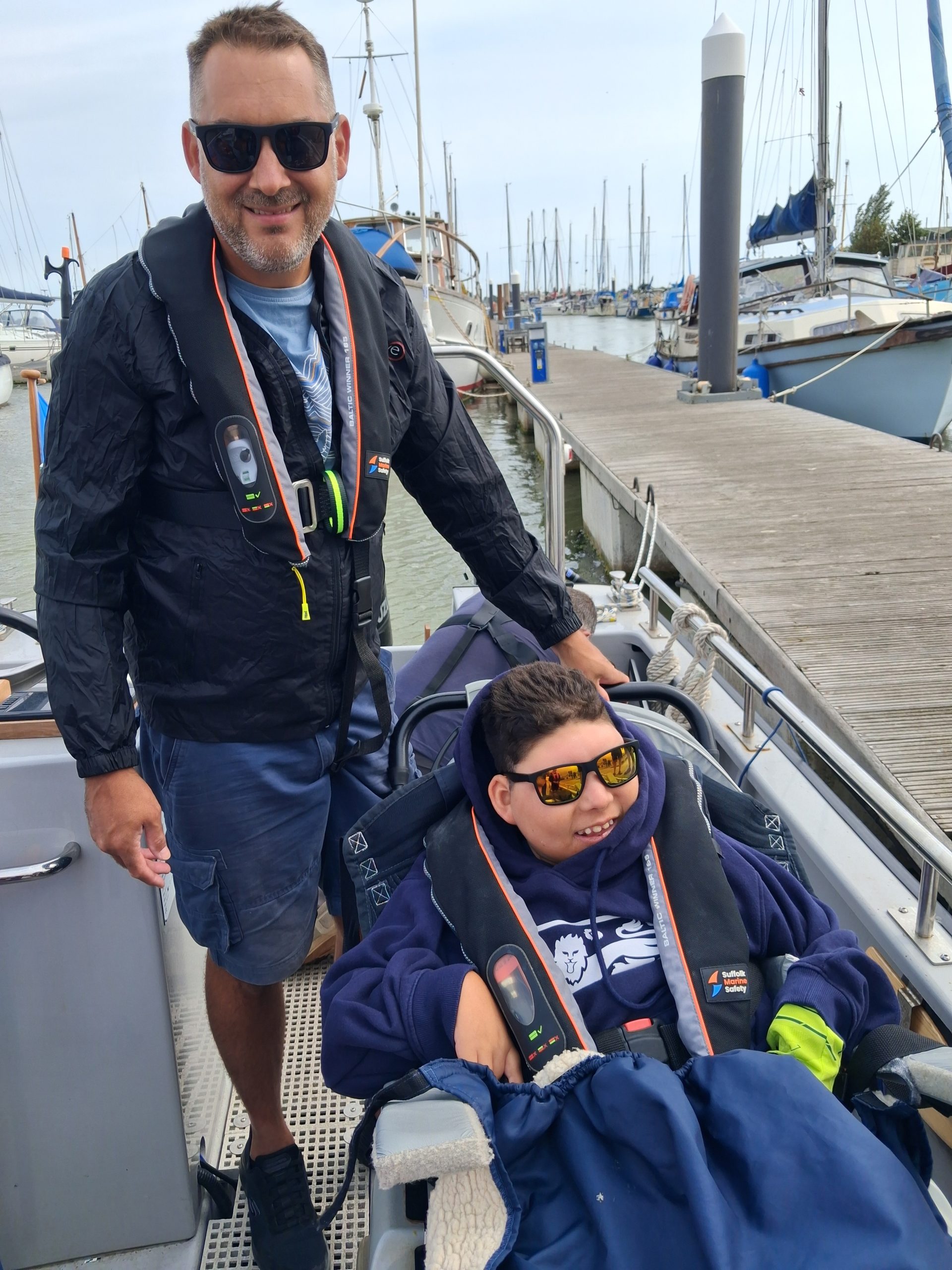
HOW YOU CAN HELP
Awareness raising – if you know someone who might benefit from the services offered by the Woolverstone Project, please tell them about it. Recently they have seen an increase in the number of young people and women using their services.
Donate directly to the project via woolverstoneproject.org.uk/donate
Organise a fundraising event.
Volunteer – the Project always needs volunteers. There are so many jobs on and off the water, supporting participants, maintaining boats and equipment, administration, fund raising. Training will always be given where necessary. Some people wish that there could be more disabled racing, but that needs organising.. .
Just look at their website and you will see how busy they are, answering a real need from people with disabilities. woolverstoneproject.org.uk/events
Julia Jones
Julia Jones is an author and owner of publishing business Golden Duck. She is the editor of The Deben magazine and a co-founder of John’s Campaign. She sails Peter Duck (built for Arthur Ransome) and has been on East Coast rivers since she was a child.