Deben Estuary Water Quality Update – Woodbridge Outfall Safari

Introduction

Water Quality is a fast moving, high interest area for the River Deben Association.  Since the  last RDA Journal Article (‘Water Quality Update’ January 2025), Waldringfield Bathing Water Designation Area has achieved (announced 25th October 2025) a second year of clear run 20/20 [Excellent] measurements across the May-September Environment Agency (EA) bathing season.

Two significant projects are now in their start-up phases, each with a major focus on water quality:

The Deben Climate Centre’s Four River’s initiative (link) across the Deben, Blyth, Alde and Ore and Waveney “A new three-year co-funding agreement between East Suffolk Council and Deben Climate Centre… The aim will be to restore degraded ecosystems, support nature recovery and test a range of different flood alleviation measures.”

The Essex and Suffolk Rivers Trust has initiated the ‘Recovering the Deben: Source to Sea’ (link) “an ambitious project that aims to restore the land, water, and nature throughout the River Deben catchment and estuary”

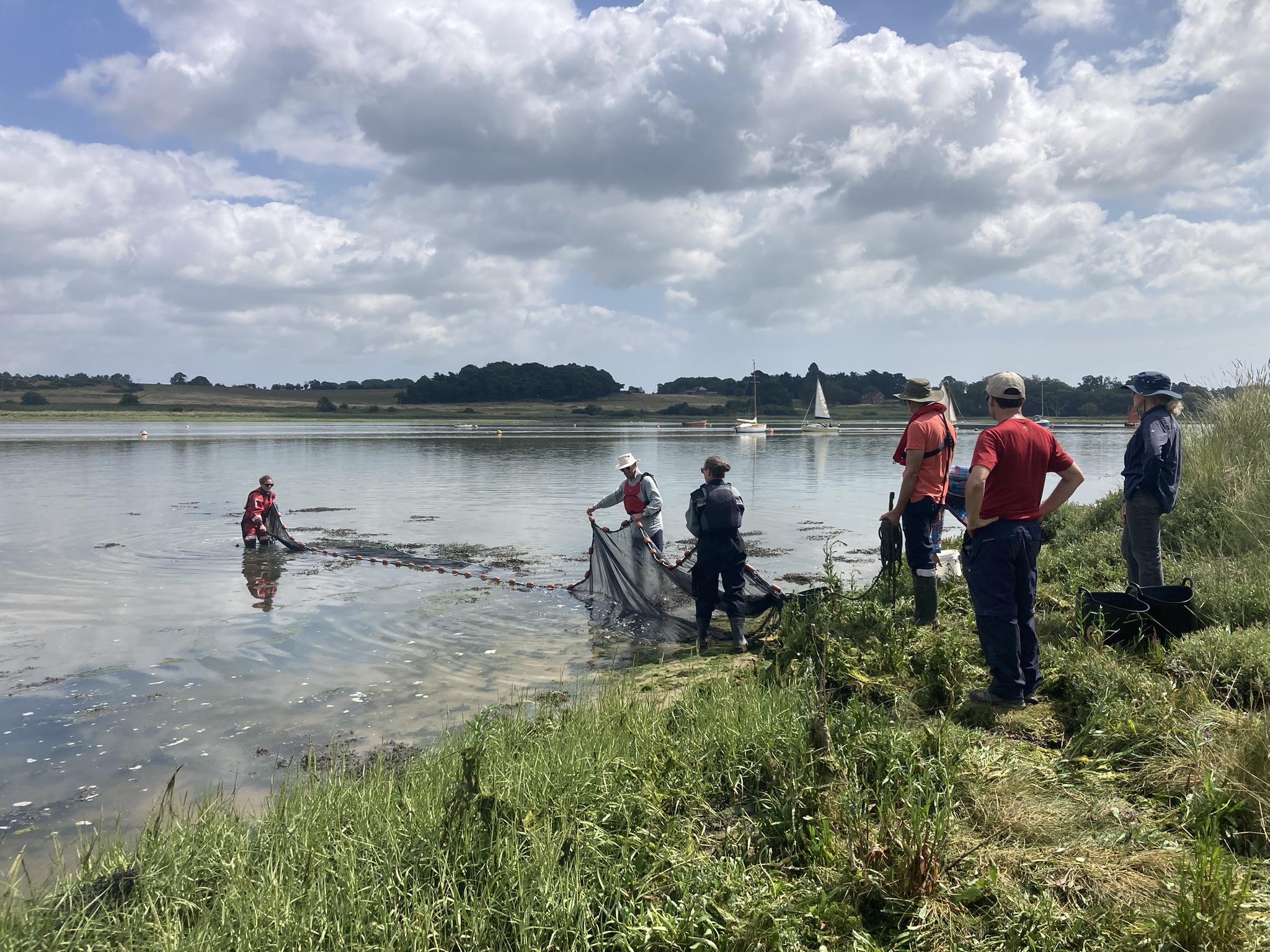
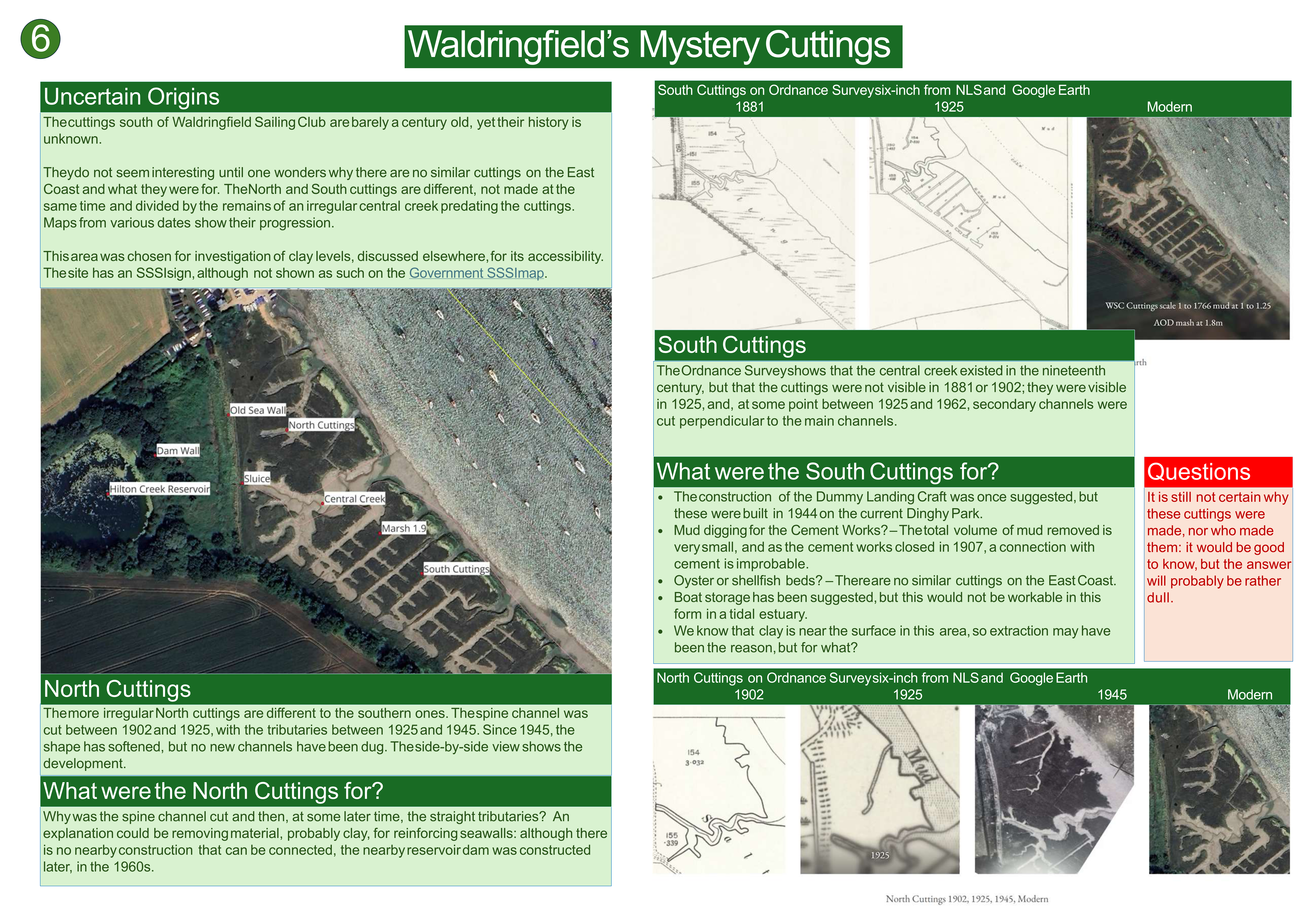
This latest journal article focusses on trying to resolve the debate on just how many outfalls there are between Martlesham Creek to Wilford Bridge.  The answer is Fourteen (caveated as usual as there is more to learn, and there is an extra one inland at the Deben Yacht Club (DYC) dinghy park).  Below for those interested is a little bit more detail of how they work.

Continue reading

New Deben Walks

OS Explorer 197 Ipswich, Felixstowe & Harwich

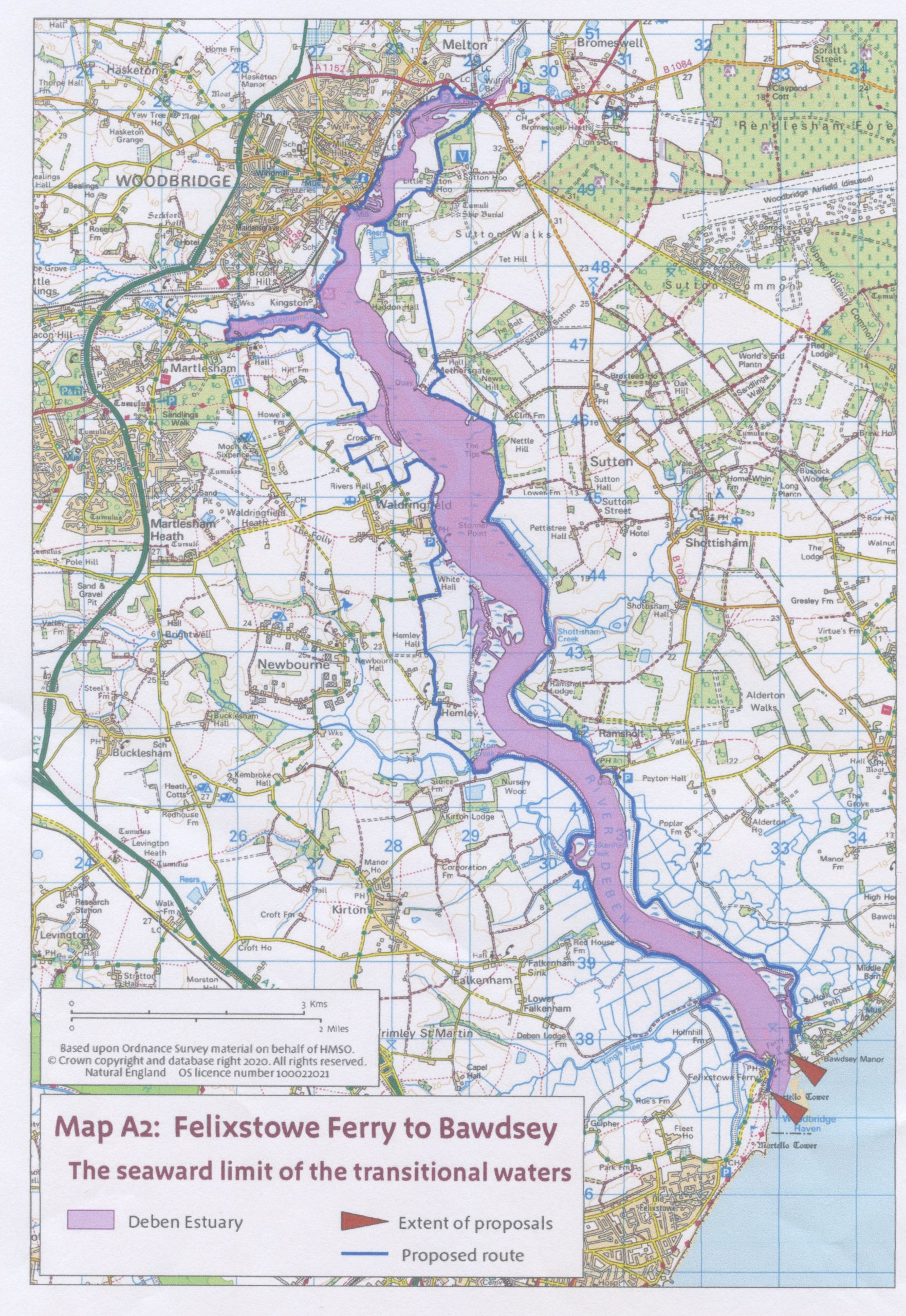
In September 2025 sections of the recently-created King Charles III England Coast Path were opened along both banks of the Deben: from Bawdsey to Wilford Bridge and Wilford Bridge to Felixstowe Ferry. See map with the whole route marked in blue. Much of the Coast Path route is along existing rights of way. However, there are three ‘new’ sections which Judy and I decided to investigate this autumn.

Continue reading

The Company of Dragonflies: Four Dragonflies in a Summer Season

I visited the slow flowing stream that runs parallel to the river Deben, on several occasions during the summer, looking for dragonflies. This is my first season of observing and photographing dragonflies and damselflies. I would like to share with you, my field notes. In my last article I discussed damselflies observed in the same location. My focus now turns to dragonflies. My knowledge and learning was obtained from observation, then I researched aspects of behaviour that I saw, such as mating and egg laying behaviour. The most interesting observations of the dragonflies were the different ovipositing behaviour  (laying of eggs), which could be alone or together with mate, and different locations for both mating, and ovipositing. I came across four dragonflies on the riverbank: The Emperor; Southern Hawker; Migrant Hawker, and Common Darter.

Emperor Dragonfly

I observed a fairly large dragonfly laying eggs in June. It was an Emperor (Anax imperator) dragonfly. The Emperor dragonfly is the largest species of dragonfly in the UK. It has an average length of 78mm and average wingspan of 106mm. This species has a mating and flight season between June and August (see the chart below of the flight and mating period of the dragonflies discussed here).

Emperor Dragonfly Ovipositing

Continue reading

Damselflies: Dancing Ballerinas of the Riverbank

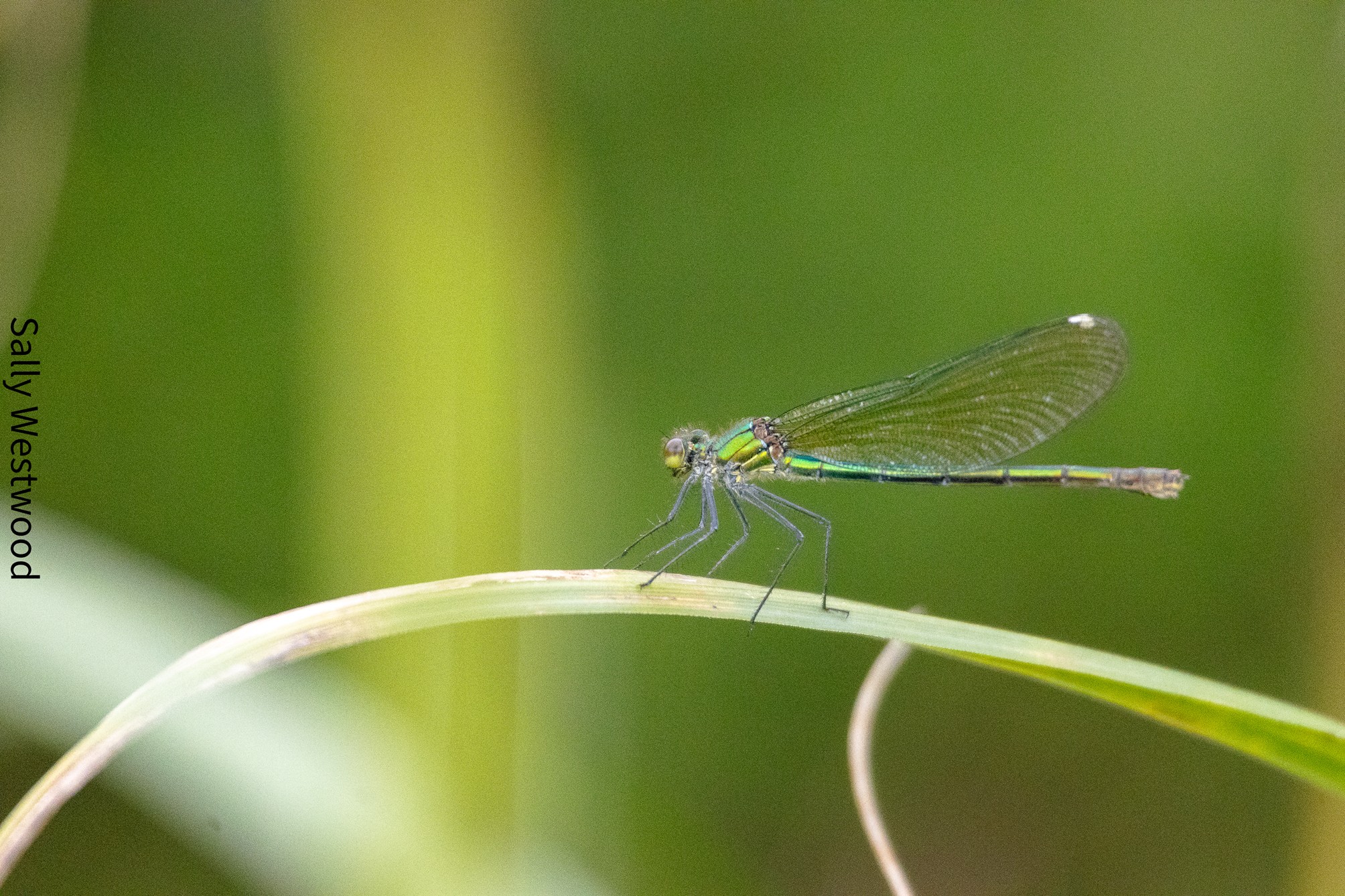
I observed a large damselfly in late July whilst walking alongside the slow flowing, fresh water stream that runs parallel to the Deben, near Wilford Bridge. Banded Demoiselles Calopteryx splendens are mostly seen during June and July on sunny afternoons, although you may see them in August and September. Male and female Banded Demoiselles have a striking pattern and colour. The female in the image below, has a metallic emerald thorax and abdomen, with a bronze red tip to the abdomen. The last three abdominal segments have a yellow line1. The males and females both have translucent light green wings. The females have a small white mark, or pterostigma at the wing tip, whereas the males have no pterostigma2. Both males and females are 48mm or 1.4 inches in length and their hindwing can be 36mm or 1.4 inches long. This species is present throughout Britain but not in the Scottish highlands. It is common in much of Central Europe including Germany, France, and Poland but absent from European countries that are cold, for example, Scandinavia and those countries that are dry, such as Spain. Their range extends into central and Western Asia. Habitat becomes problematic when flowing freshwater is scarce.

Banded Demoiselle Calopteryx splendens

Continue reading

Woodbridge Regatta – an intergenerational event

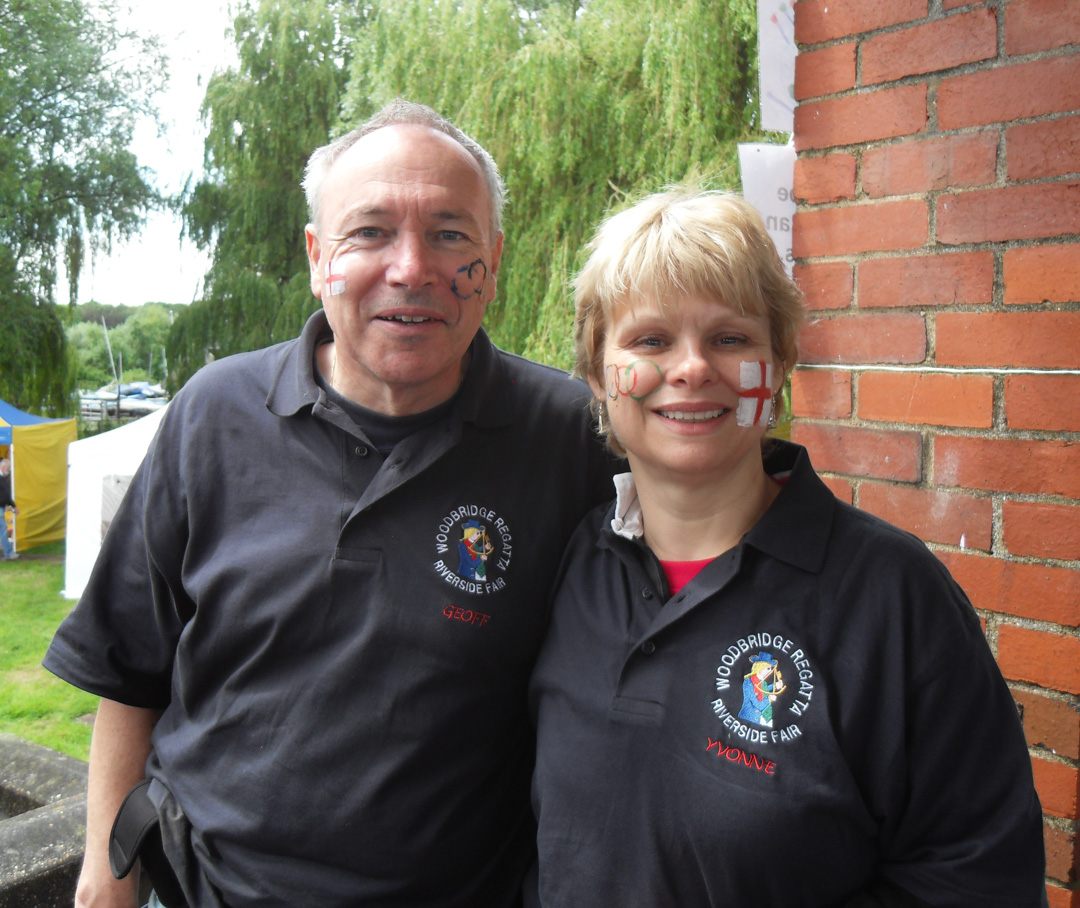
Geoff Holdcroft moved to Suffolk in 1985, working for BT. At first, he missed the hills of North Staffordshire where he had grown up but soon discovered the different beauty of the River Deben. He learned to sail on the BT boats at Waldringfield, then bought himself a Mirror dinghy – and after that, a Jaguar 22.

(courtesy Alan Comber)

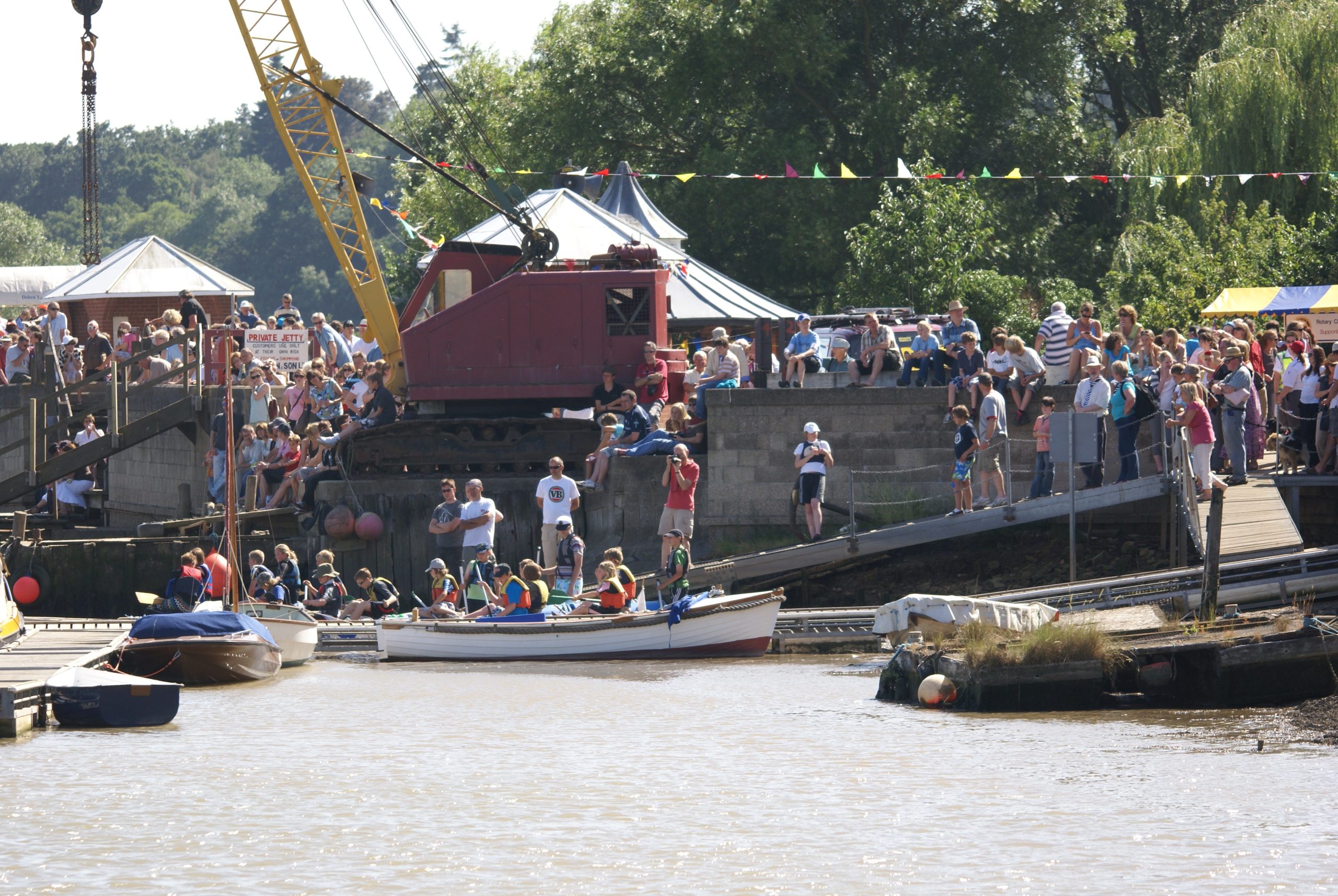
Within ten years Geoff had joined the Deben Yacht Club in Woodbridge and was involved with people who were involved with the Woodbridge Regatta. His first job as a volunteer for the DYC, however, was to gain advertisements for the annual handbook. This put him in touch with many more interesting people running businesses around the town and surrounding area. Among them was Alan Readhead, a colleague at BT who introduced him to the Regatta committee   ‘We need someone to do the same for the Regatta programme,’ said Alan. The Regatta handbook then ran to eight pages so the revenue from advertisements also helped support the costs of the Regatta infrastructure – items such as the public address system and First Aid attendance. Geoff took on the job.

Continue reading

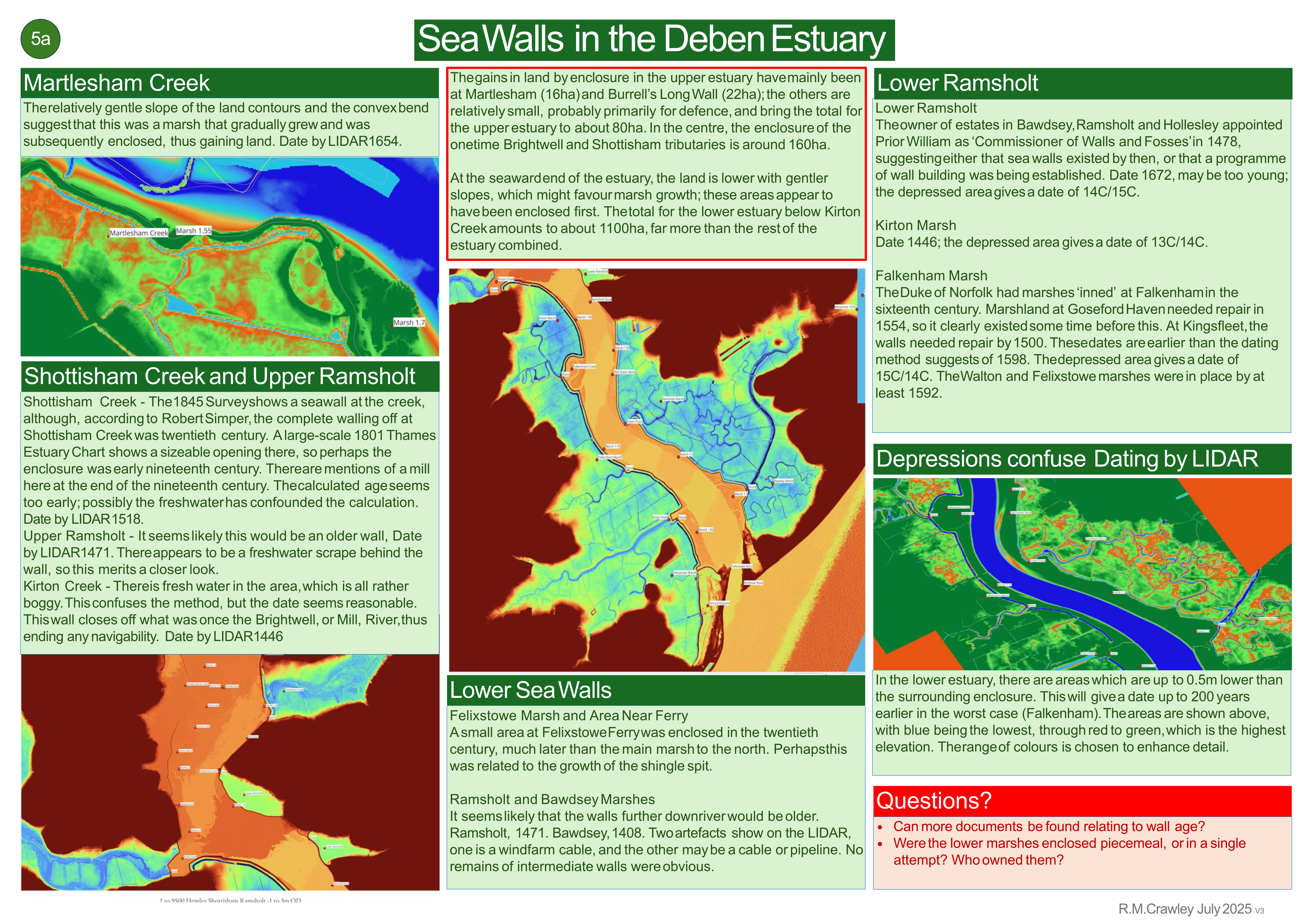
Flood Defence of the Estuary.  Are we facing a catastrophe?

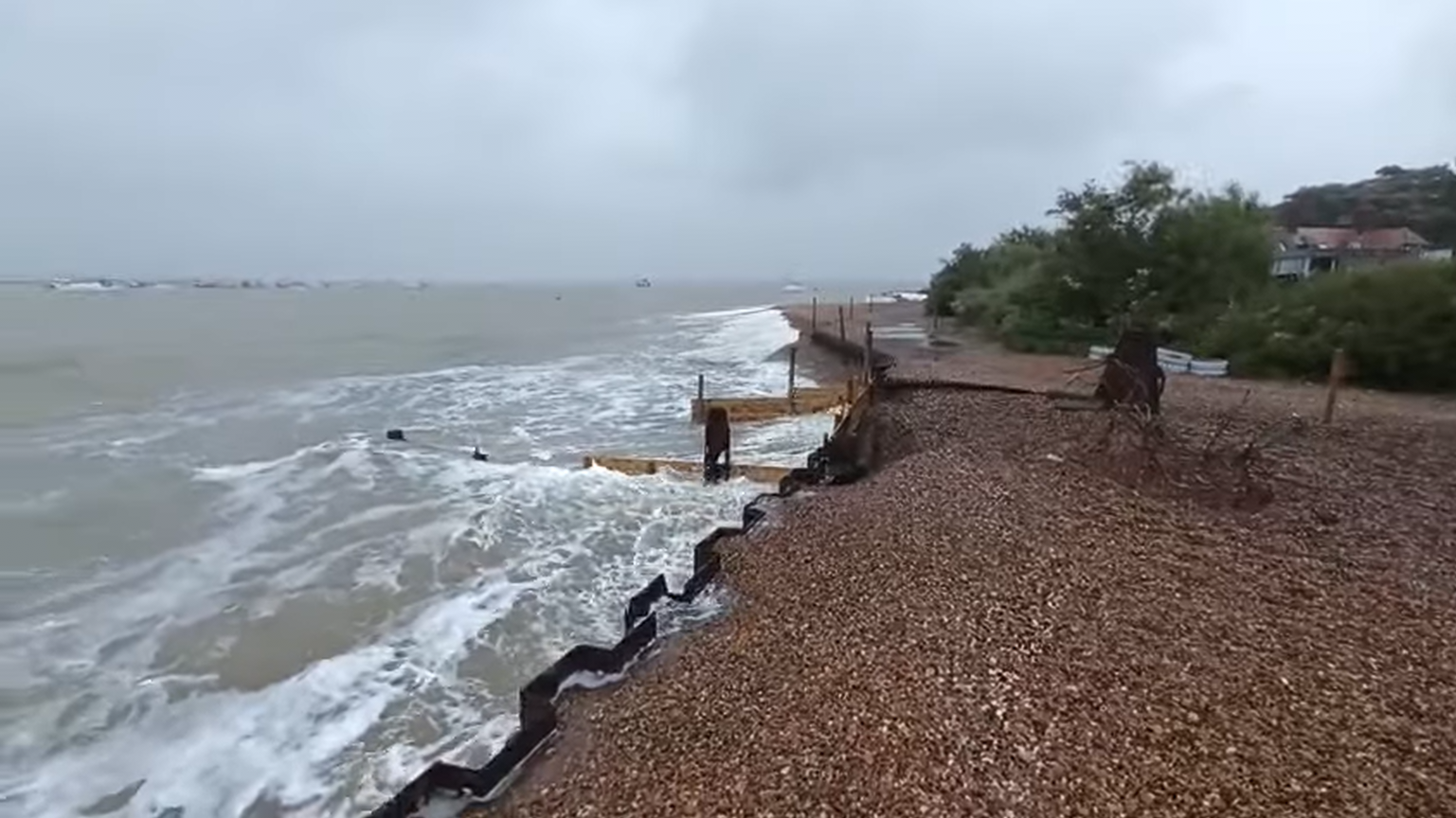
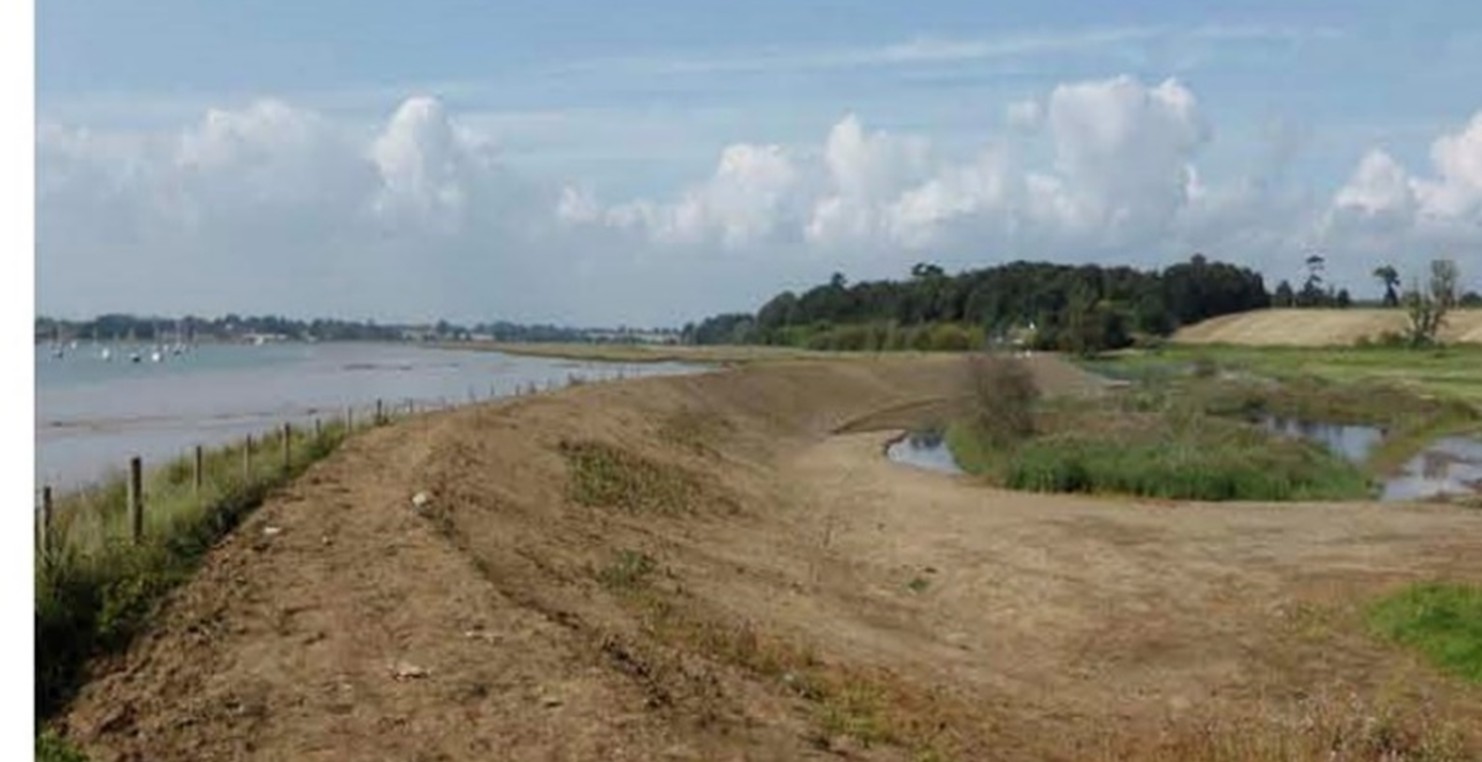
Figure 1:  River wall at Ramsholt being enhanced in 2015

Where breaching occurs, the wall is either eroded down to saltmarsh level or, where there is no saltmarsh, down to the embanked fresh-water marsh level.  The latter is very difficult and extremely costly to repair, usually requiring the use of helicopters.  Overtopping is not necessarily damaging to a wall providing the wall is largely level and the overtopping is less than 200mm over a landward slope of not less than 1:2. (see Figure 2).

Continue reading

Update on “Leisure on the Deben Estuary” Survey Results

East Suffolk Council’s rejection of the commercial hire of personal watercraft on the Deben Estuary (a decision with NO effect on the private use of personal watercraft) brought into focus several issues regarding the use of the estuary.

A survey was constructed by the River Deben Association and Deben Estuary Partnership that concentrated on everyone’s use of the estuary and in particular how its leisure users and wildlife can best coexist.

The results are now in! (Detailed Survey)

Continue reading

I just want to record my memories of this area

A review of Shingle Beaches and Tidal Rivers: the River Stour to Southwold by Robert Simper

Published Creekside Publishing £16.50

This is Robert Simper’s farewell to the stretch of Suffolk coast that he has known and loved over more than 80 years. In its introduction he recalls his wartime childhood living at Bawdsey watching bombers coming and going and sometimes aerial dogfights between the RAF and attacking German planes. He was clearly an inquisitive child and one who was shaped by his East Coast environment. ‘The North Sea was in front of us. It looked a cold and unwelcoming place and as time when by I found out it was just that. However, I was fascinated by the rivers and places beside the sea and felt I had to explore them.’

Continue reading

Leisure on the Deben Estuary Survey

What’s your view on how the river can be best enjoyed by everyone? Please complete the Survey we have created and let us know 

Deadline 31st March 2025.

The recent rejection of the commercial hire of personal watercraft on the Deben Estuary (a decision that does not affect the private use of personal watercraft) has brought into focus several issues regarding the use of the estuary.

We have constructed a survey that concentrates on everyone’s use of the estuary and in particular how its leisure users and wildlife can best coexist.

Please take a few minutes to answer the questions in the survey at https://forms.gle/syjXdAfPABNzGVVW7. It has been distributed by the Deben Estuary Partnership to 40 organisations and individuals with connections to the estuary: please do send it on to anyone with a connection to the Deben so it circulates as widely as possible to interested parties.

We’ll use the findings to help steer our engagement with local councils and authorities.

The survey will close on 31st March, and we will aim to publish our results on the River Deben Association website around three 3 weeks from then.