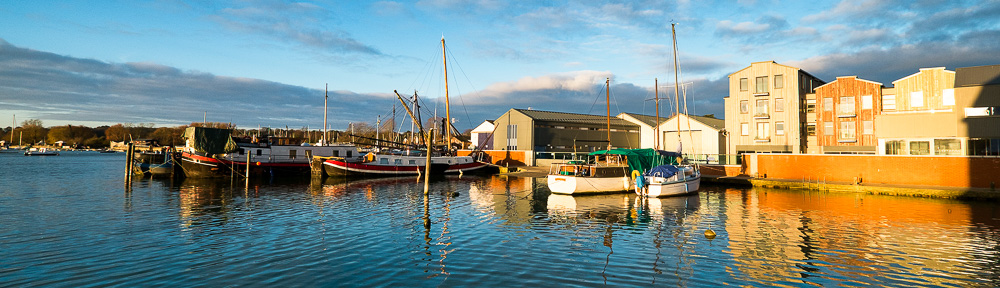
As explained in this introductory RDA Journal post, we’re beginning a year-long project to identify our oldest boats of any type and size—just so long as they’re floating! (Either with the tide, if they live on a beach or are in use as a houseboat, or seasonally if they are laid up ashore for part of the year.) Venerable wrecks like the Lady Alice Kenlis (1867) who no longer rises with the flood, or the longer term inhabitants of the Woodbridge Boatyard’s ‘rehoming shed’, can’t qualify—unless their fortunes change. Many do, however!
Here we list those already identified. If you’d like to add yours, please see the introductory RDA Journal post linked above, which includes a form (and/or email/postal addresses) that we’ve love you to use to let us know about her!
They’ll be added to this page (in batches) in the order we receive the submissions, so you can return, scroll to the bottom of the page and see what’s been added. If you’re looking for a specific boat, you can use the following (alphabetical) TOC—simply click the link to jump to the boat.
- Aenna te Gondern (1890)
- Alando (1923)
- Aleida (1882)
- Ariel (1934)
- Bess (1949)
- Beta III (1926)
- Black Cat (1938)
- Blade (1939)
- Cachalot (1898)
- Capriccio (1912)
- Cariad (1948)
- Cherub (1924)
- Clytie (1922)
- Confiance (?)
- Constancie (1930s)
- Cromarty (c. 1897)
- Daya (1928)
- Draak (1928)
- Else (1911)
- Fenguide (1930)
- Fertile (1935)
- Friendship (1929)
- Hobby (1949)
- HSL 2605 (1942)
- Imogen (1949)
- Jacoba (1924)
- Japi (?)
- Johanna Klareina (1906)
- Jubilee (1935)
- Kestrel (1891)
- Lasher (1949)
- Leo (1949)
- Lightcliffe (1924)
- Lindy Lou (1931)
- Little Hulper (1940s)
- Lynette (1937)
- Maid of Veryan (1949)
- Maid Marion (1925)
- Marguerite Explorer (1934)
- Martina (?)
- Mist (1907)
- Montbretia (1942)
- Nightfall (1910)
- Peter Duck (1946)
- Pink Djinn (1949)
- Prinses Juliana (1910)
- Queenie (?)
- Rival (?)
- Sarah Ann Austin (1937)
- Sasha (1949)
- Seafarer (1949)
- Spes (?)
- Stinger (1949)
- Thalassa (1934-1939?)
- “The Barge” (?)
- Tijdstroom (1926)
- Tommy Lee (1938)
- Trouwe Hulp (1900)
- Try Again (1861)
- Twee Gebroeders (1897)
- Unknown #1 (?)
- Unknown #2 (?)
- Vassal (1938)
- Vindilis (1935)
- Waterdog (1876)
- Wings (1949)
Try Again (1861)
- 30′ LOD, 40′ LOA (inc. bowsprit and bumpkin). 9’6″ beam, 5’7″ draft, 8 tons. Long-keeled Bermudan cutter. Raking transom with transom-hung rudder.
- Built at Guernsey.
- Owned by Matthew Longfellow.
- Has been on the Deben since the early 1960s. Currently moors at Ramsholt in the summer.
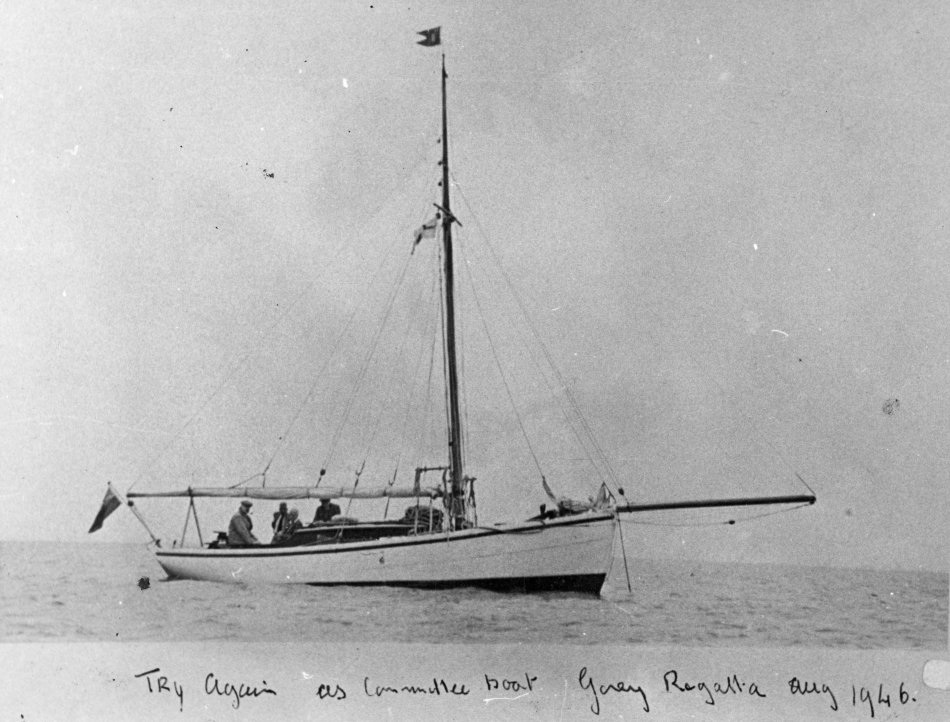
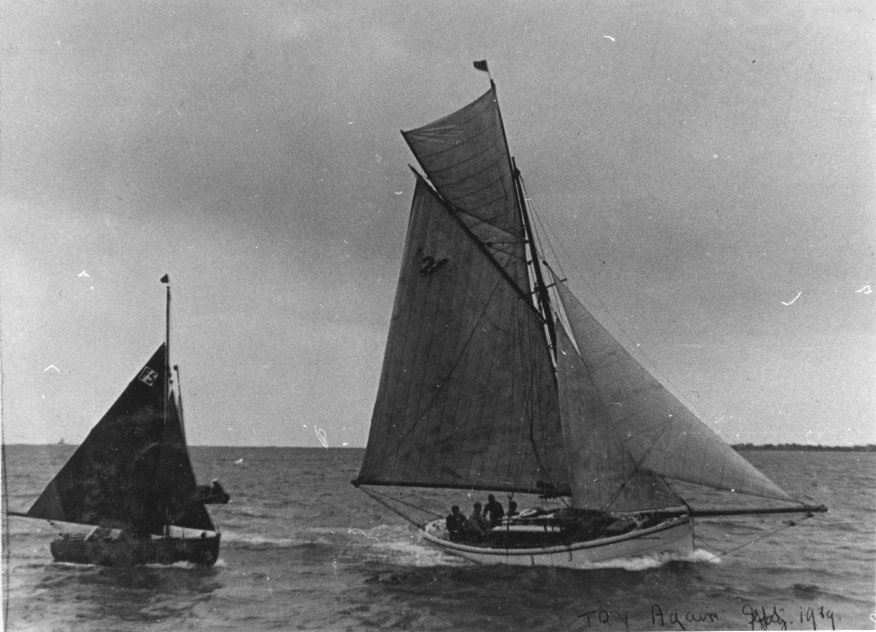
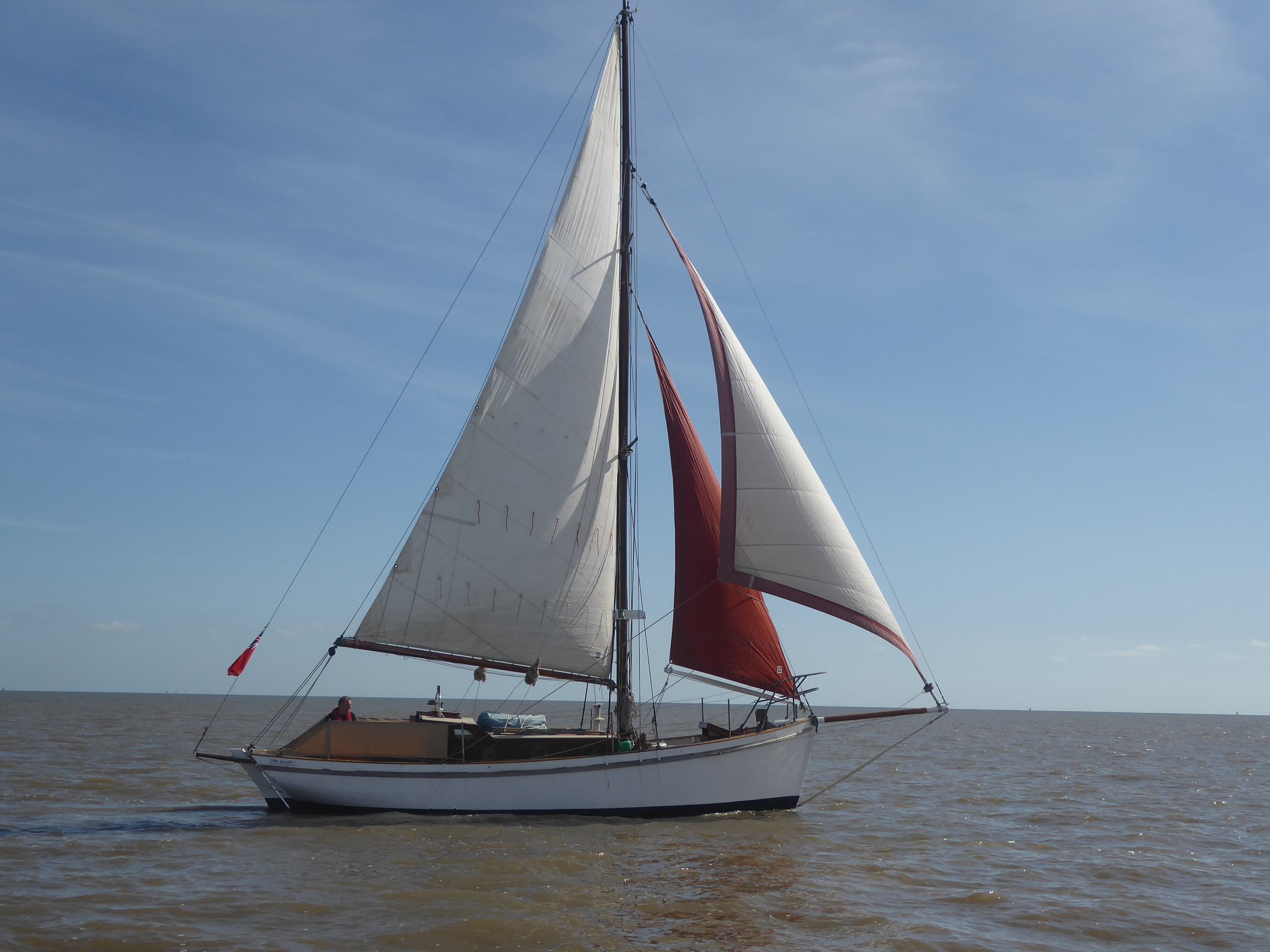
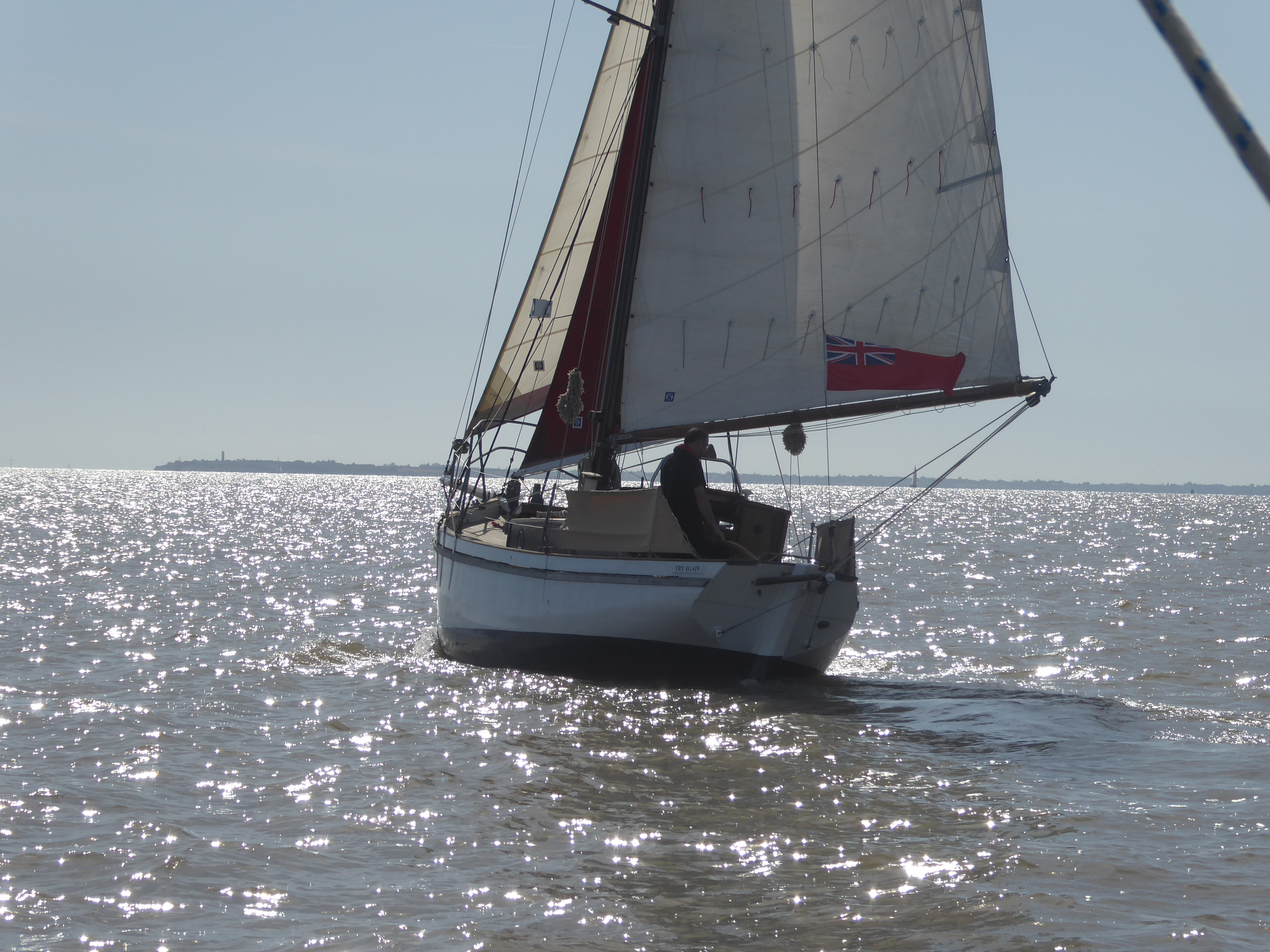
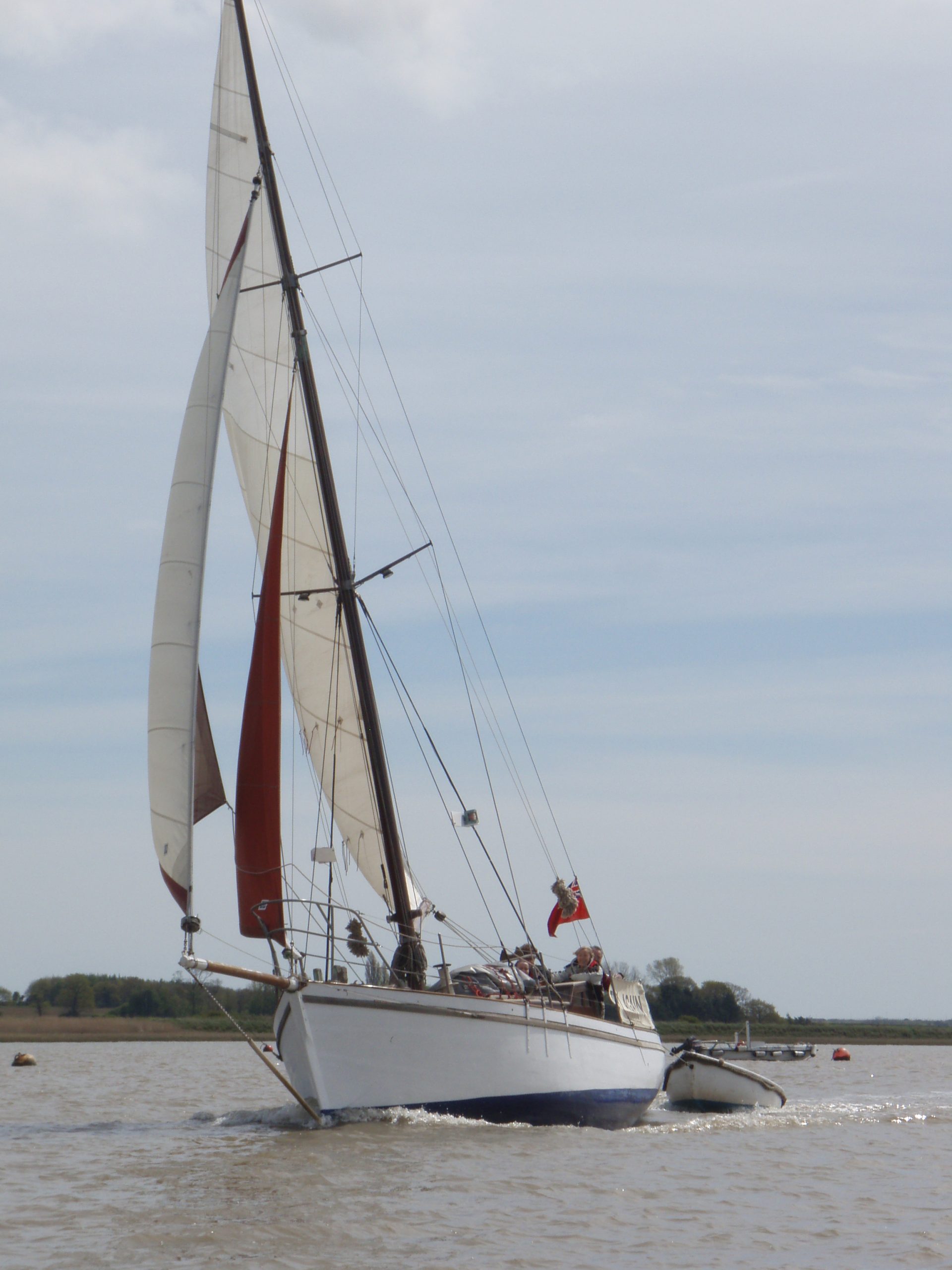
Try Again.
Waterdog (1876)
- 88.98′ length, 14.6′ beam, 7.19′ draft, 11.32′ air draft, 74 tons. Originally steam, now diesel. Iron.
- Built at Baltic Engine Works Company, Hull as a Humber Keel for cargo. Original cost £795.
- On the National Historic Ships register.
WATERDOG was built in East Yorkshire in 1876 and initially known as ‘Flyboat 81’. It has been suggested that WATERDOG was built by the Baltic Engine Works Company. Her hull is made from iron and is riveted not welded. She was originally fitted with a steam engine and, towing dumb barges, would trade between Hull, Goole, York and Rotherham, carrying many varied cargoes, including coal, manganese ore, linseed oil and bales of cotton.
The steam engine was removed in the early 1900’s and a marine Gardner 4LW was fitted in 1950. The new owners, British Waterways, renamed the barge ‘WATERDOG’ in 1963 and they used her together with 3 sister boats, ‘WATERREEL’, ‘WATERDEER’ and ‘WATERBIRD’. WATERDOG came out of service in 1979, when she was converted to a house boat and moored in York.
The most recent owners owned WATERDOG from the 1990s to 2025, and totally refurbished her, inside and out. In 2007, they had a Ford 6 cylinder Dovertech engine (Mermaid Mariner) installed, together with a PRM gearbox, to go with the existing 29 inch propeller. In 2008 the vessel crossed the North Sea from Goole to Dunkirk and cruised Northern France and Belgium until 2016, when it left Nieuwpoort, Belgium, to return to the UK, this time to moor in Woodbridge, Suffolk.
The previous owners (Lawrence and Lorna) made a very comprehensive website about her.
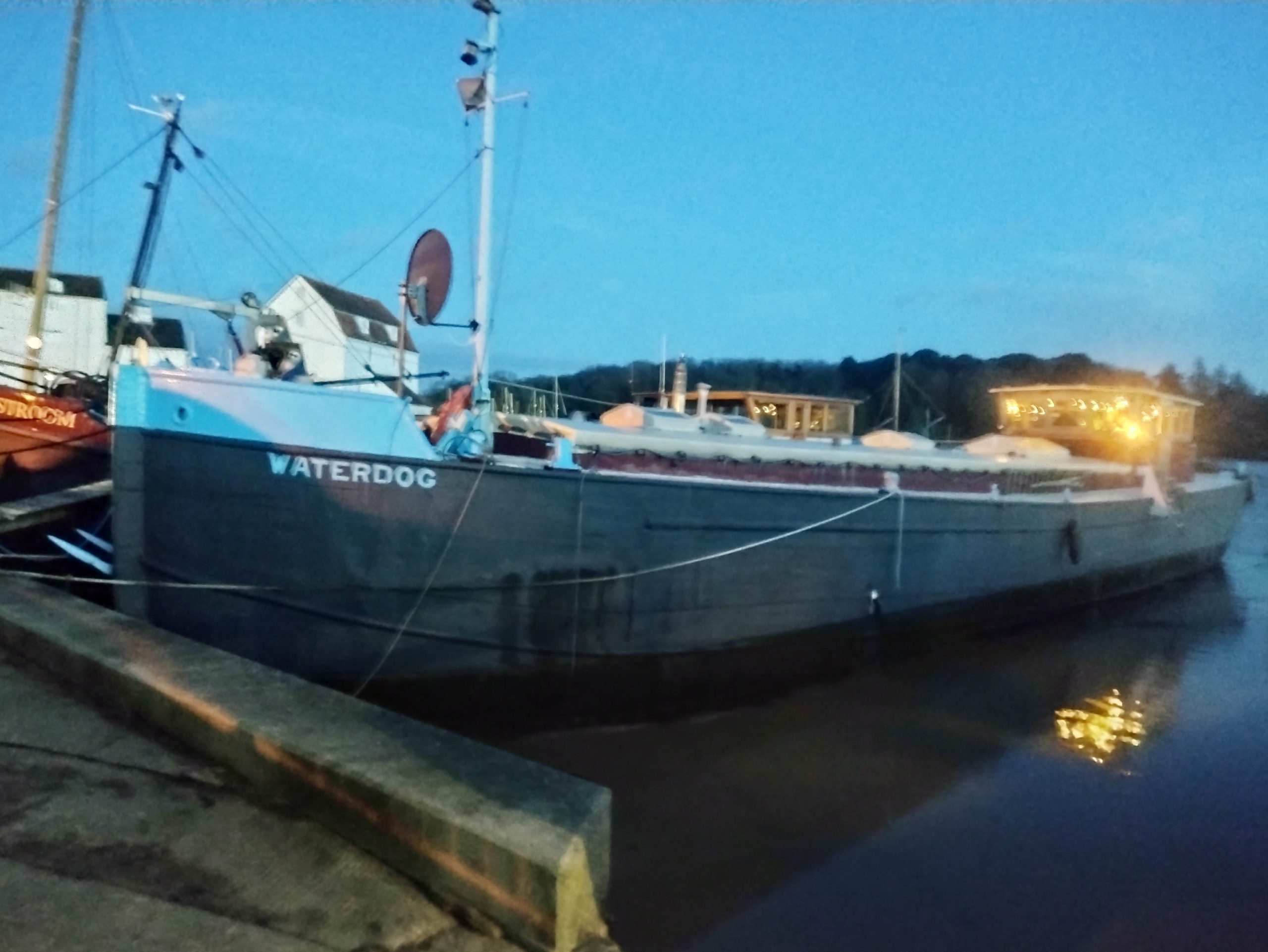
Waterdog.
Aleida (1882)
- 84.5′. Dutch barge.
- Moored at Robertsons.
- Recently for sale.
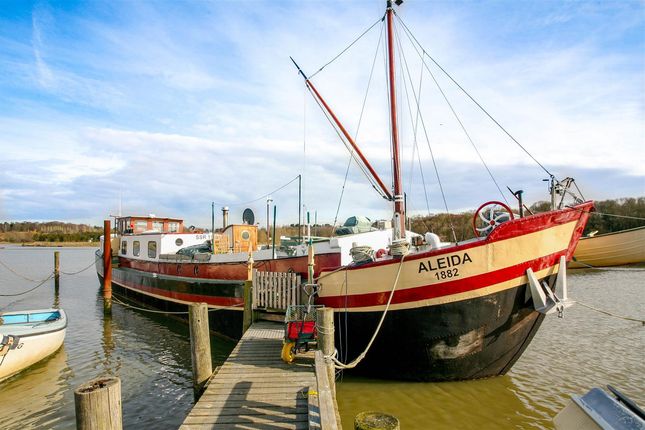
Aleida.
Aenna te Gondern (1890)
- 60′, 40-50 tons. Originally just sails (gaff ketch), now also a diesel.
- Built in Gouda in the Netherlands for cargo (cheese and coal).
- Owned by Drew Whitemore for 4 years, used as a liveaboard.
- Bought her where she still is, at a boatyard on the Deben.
You can read more about Aenna te Gondern‘s history here.
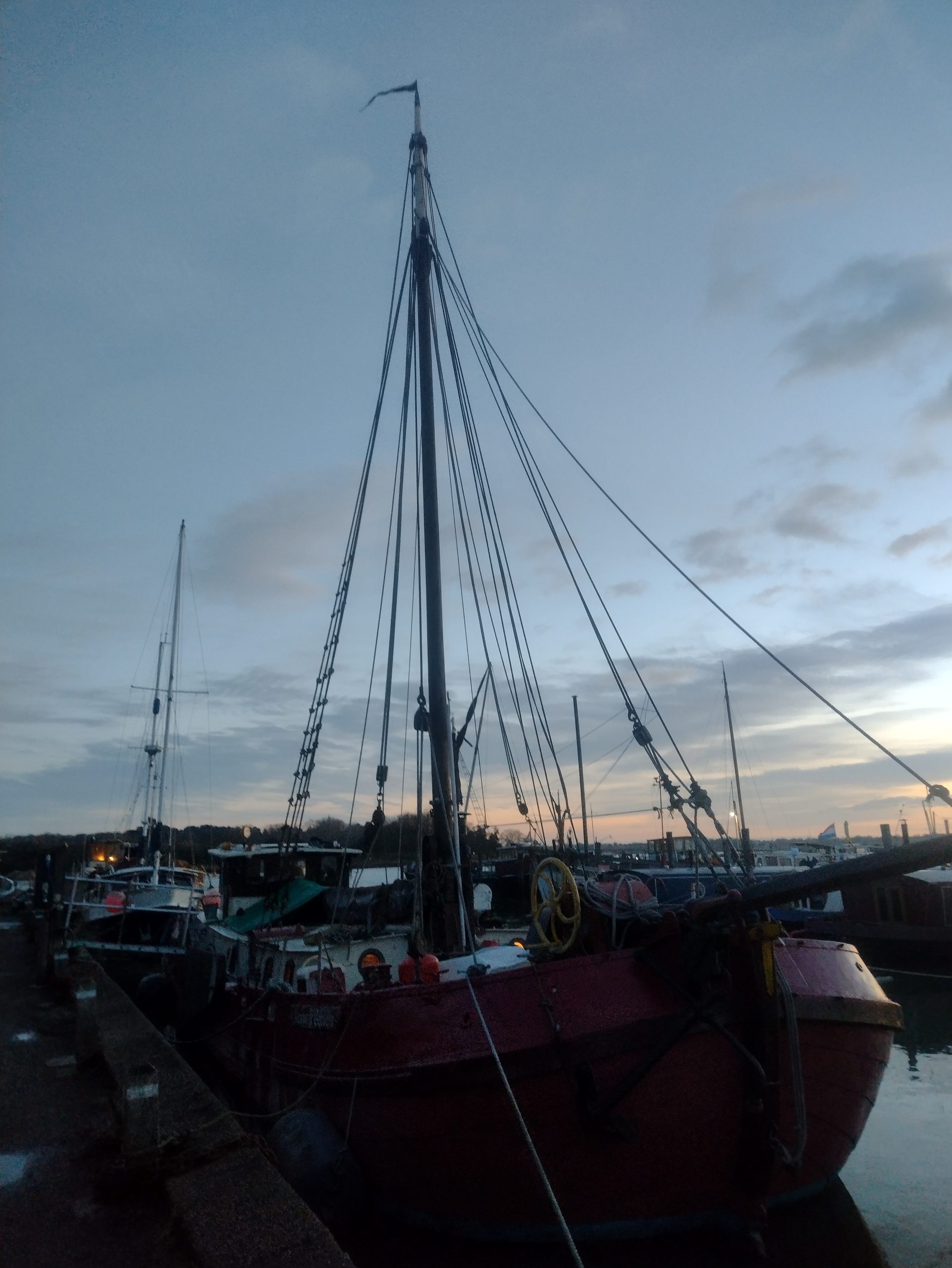
Aenna te Gondern.
Kestrel (1891)
- 27′, 5 tons (Thames). Originally sails and oars, now also a diesel.
- Built by John Samuel White in Cowes as a yacht.
- Owned by James Palmer for 27 years, used for pleasure.
- Bought at Barham Green, she moors at Waldringfield and overwinters at Larkmans.
Kestrel’s history is described in a Classic Boat Feb 2014 article (see pages 30–36) and the OGA boat register (#933).
![Kestrel [Sue Feather]](https://www.riverdeben.org/wp-content/gallery/bsf-kestrel/Kestrel__Sue_Feather.jpg?t=1763335086 "Kestrel [Sue Feather]")
Twee Gebroeders (1897)
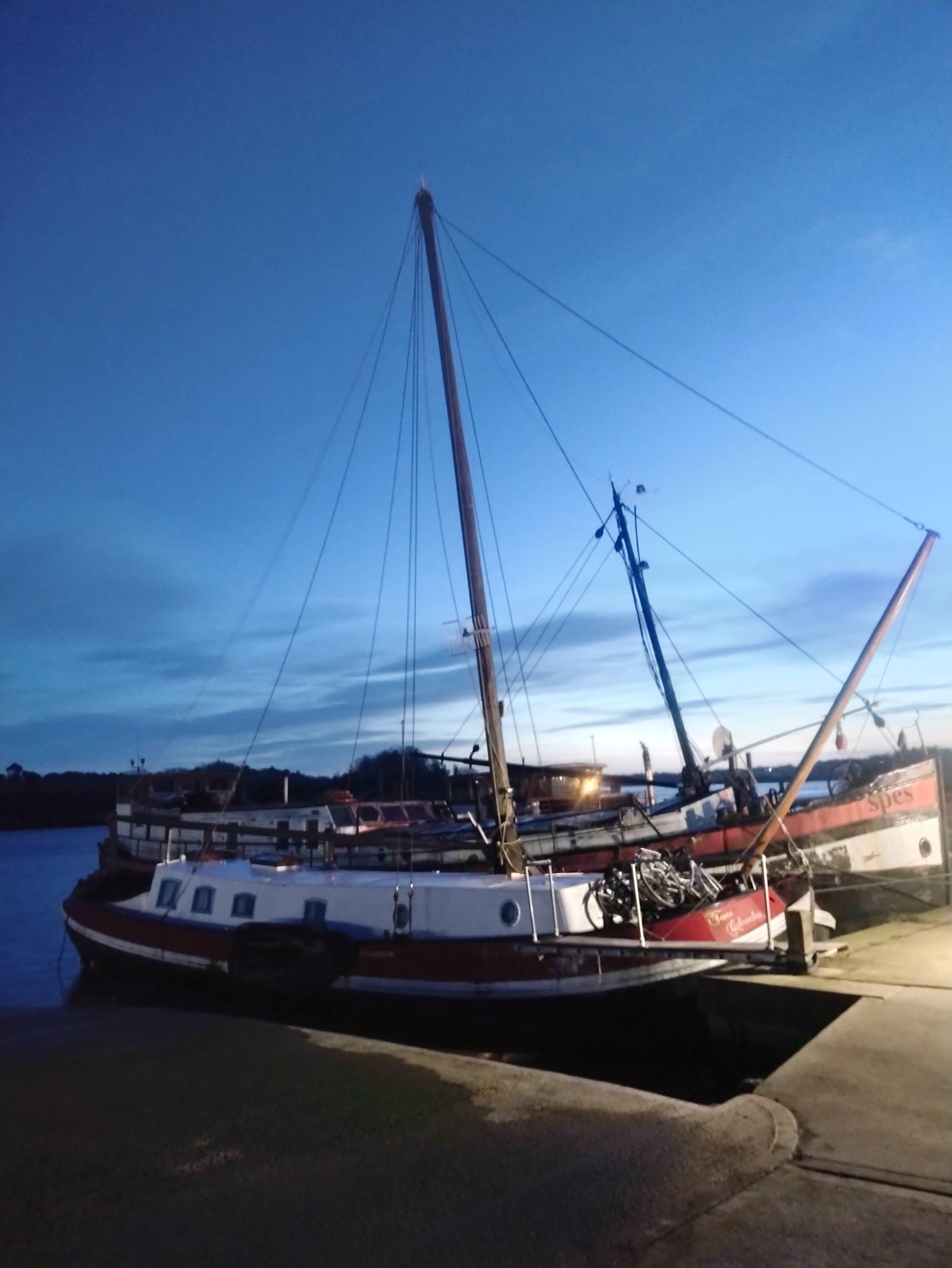
Twee Gebroeders.
Cromarty (c. 1897)
- 61′, approx 17.5 tons. Originally sails, now a diesel.
- Believed to be built in the Groningen area, for cargo.
- Owned by Ben Gordon for 7 years, used as a houseboat.
- Bought where she’s still moored (and has been for many years) on the Ferry Quay.
“Unfortunately I know very little of Cromarty‘s pre-Woodbridge history. I’ve heard suggestions that she was used to carry eels from the Netherlands to the UK, and that she was converted to a houseboat on the continent in the 1970s, but don’t have hard evidence for either of these. In 1997 Lelke Tet (or similar), as she was then called, was bought by Damien and Dorothy Reilly in Groningen, Netherlands. She was sailed to her current mooring in 1998 and renamed Cromarty, apparently where Damien and Dorothy honeymooned.”
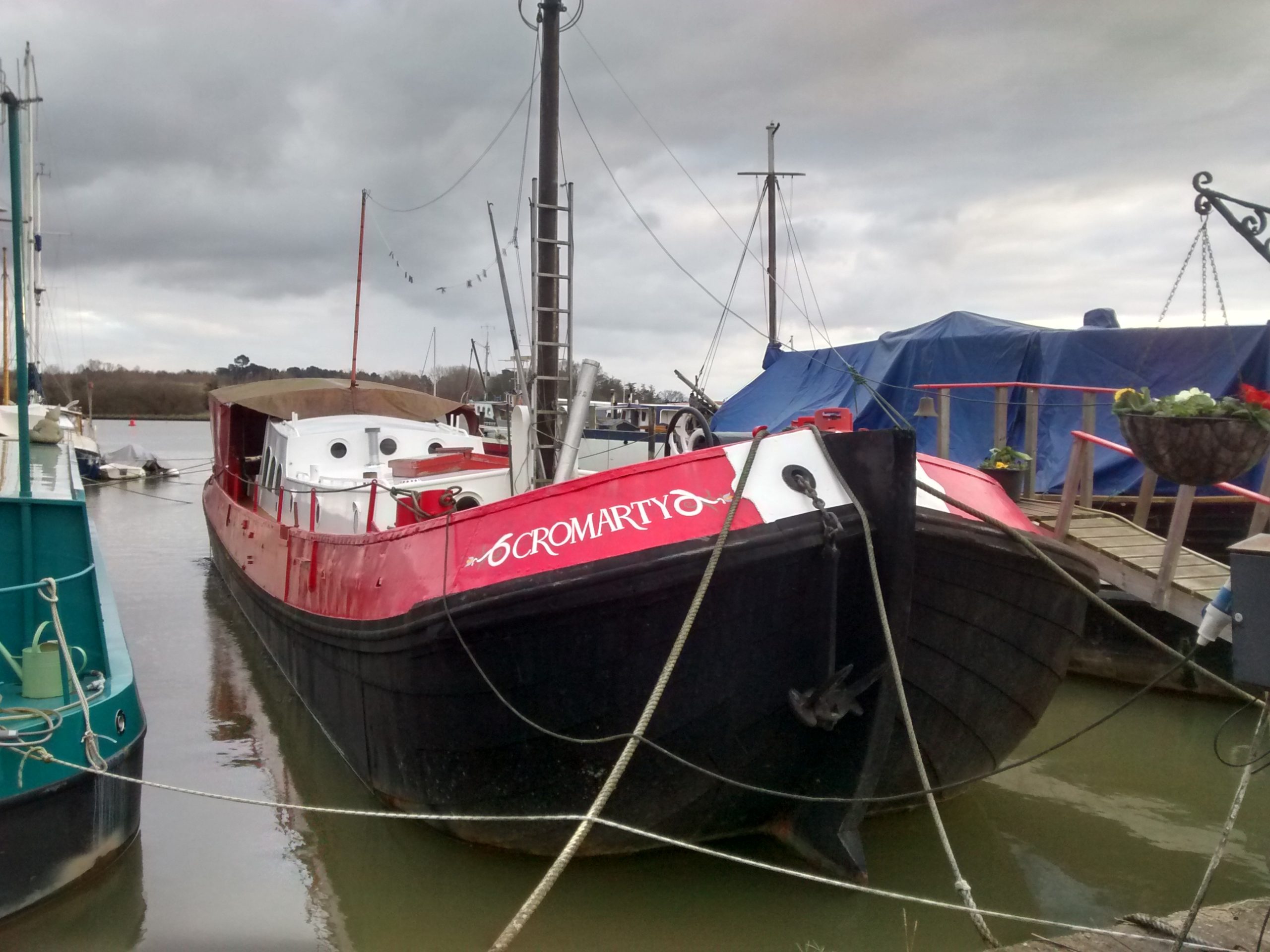
Cromarty.
Cachalot (1898)
- 30′ length, 9′ beam, 4’3″ draught. Auxiliary gaff cutter with topsail.
- Built in Folkestone, Kent as a gentleman’s yacht.
- Owned by Steve Yates for 20 years, used as a pleasure yacht.
- Bought at Suffolk Yacht Harbour, now moored at the Tidemill Yacht Harbour.
See the RDA Journal article “‘Cachalot’ (1898): a ‘gentleman’s yacht’ and a Dunkirk ‘little ship’”.
![Early 1950s: off the west coast of Scotland [Edward E Nott-Bower]](https://www.riverdeben.org/wp-content/gallery/bsf-cachalot/Cachalot-1955-EENott-Bower.jpg?t=1738937700 "Early 1950s: off the west coast of Scotland [Edward E Nott-Bower]")
Trouwe Hulp (1900)
- 60 feet, 45 tons. Sails, originally no engine, now an auxiliary diesel.
- Built in Groningen as a cargo barge.
- Owned by Jago Hurley for 4 years, used as a home.
- Bought in Krommenie, now moored at Robertsons.
In trade until the 90s, then a sail charter vessel. Still in original form with cargo hatches.
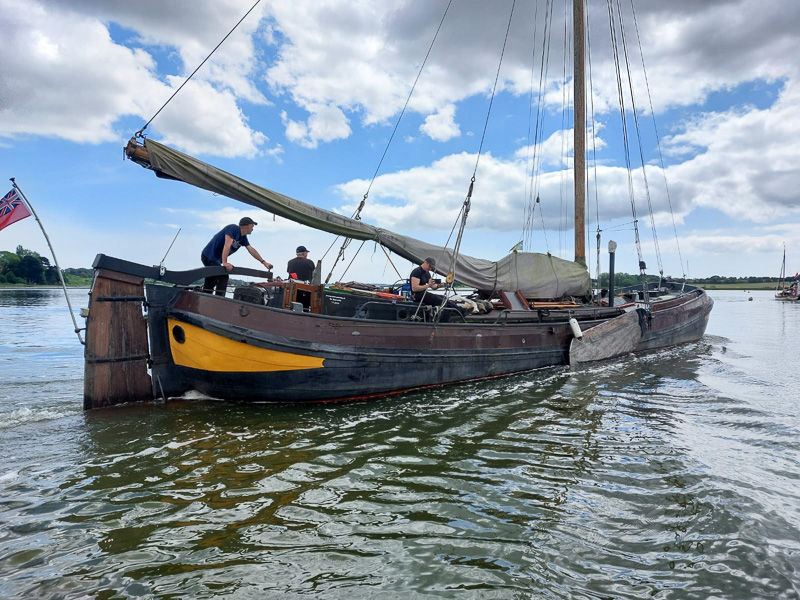
Trouwe Hulp. [Credit: Woodbridge Boatyard]
Johanna Klareina (1906)
- ~70′. Dutch ‘day’ barge.
- Converted in the 1970s.
Originally called ‘Oude Reine’.
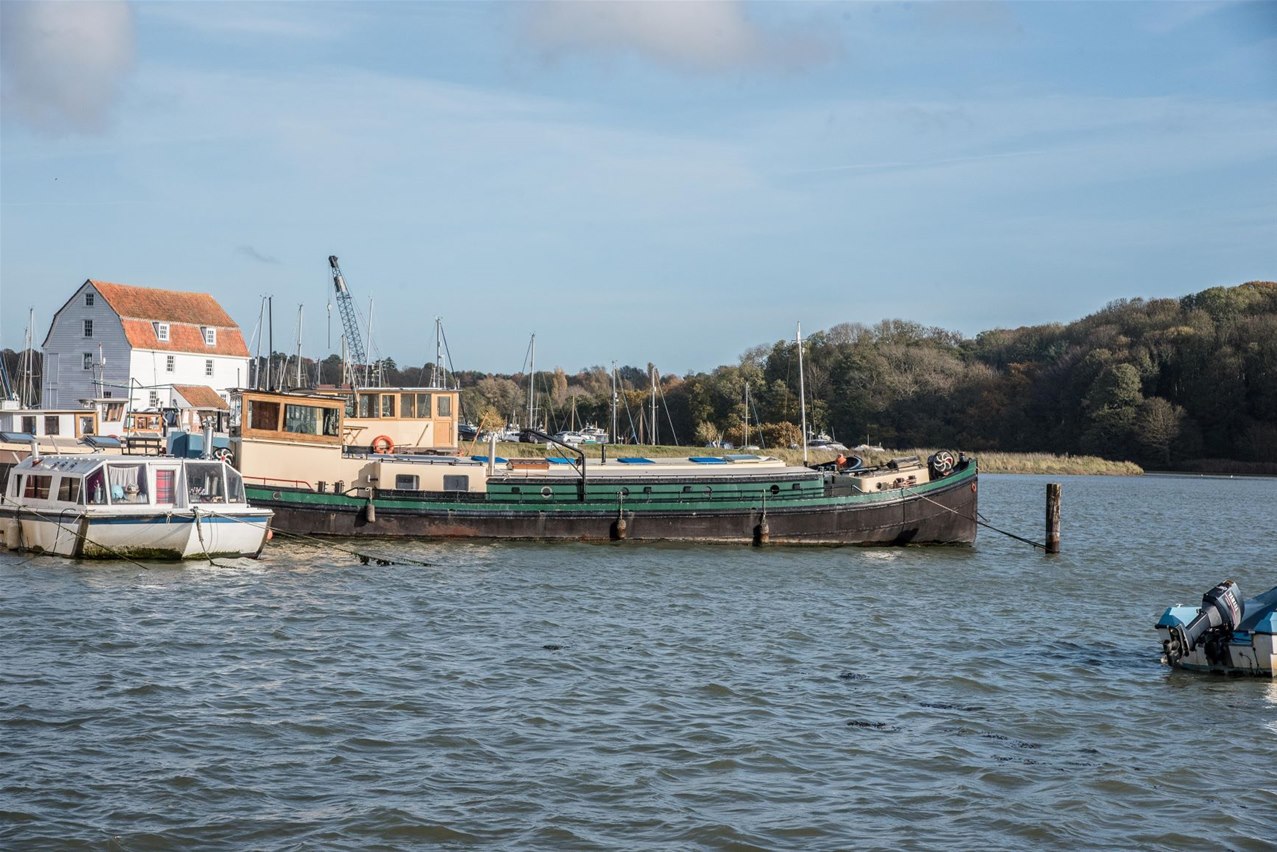
Johanna Klareina.
Mist (1907)
- 26.5 feet, ~5 tons TM. Sails, originally no engine, now electric drive.
- Built in Ireland as a gentleman’s yacht.
- Owned by Russell Read for 5 years, used for leisure.
- Bought at Melton/Woodbridge, now moored at Kyson, wintering at Larkmans.
Sank at her moorings in 1990s in the Gareloch, Scotland; recovered but abandoned on the beach; rescued from there in 2006 by members of the Albert Strange Association; rebuilt 2007-2016 by John Krejsa of Woodbridge. Only the keelson and ballast keel are original. (See The Deben #54, Spring 2017.)
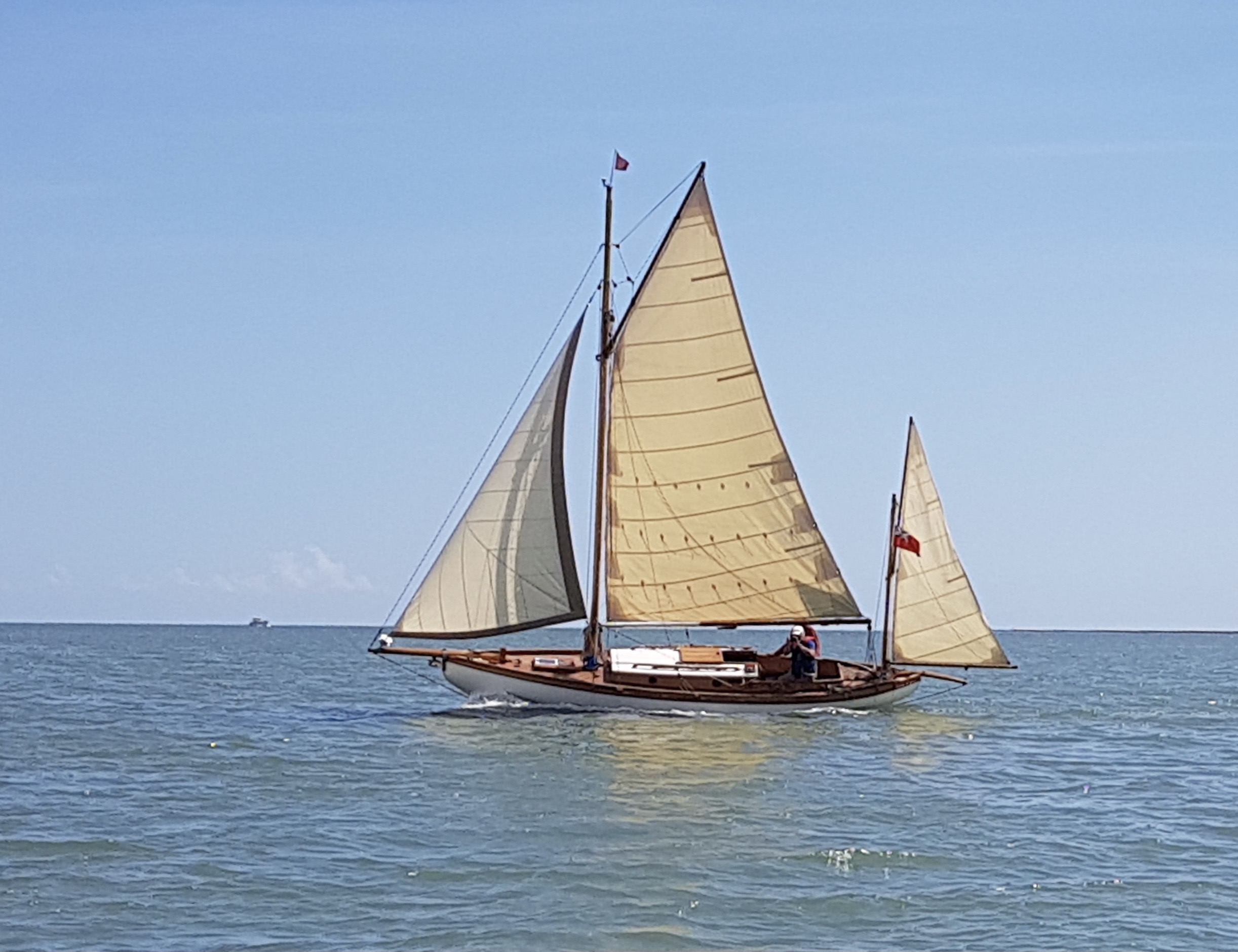
Mist.
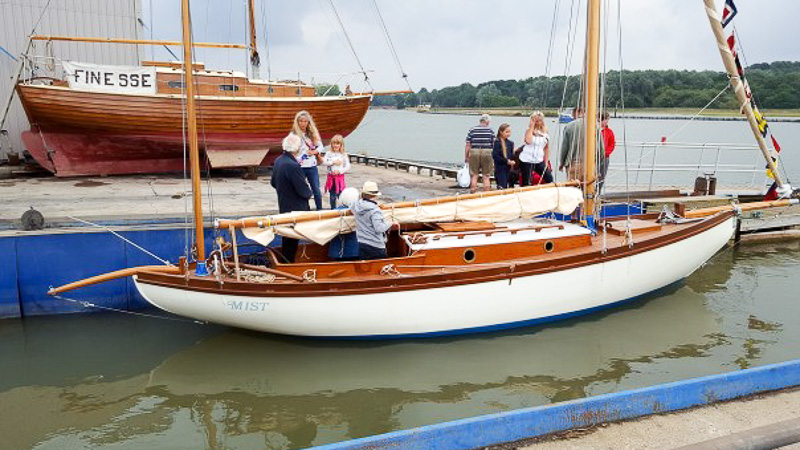
Mist post-restoration in 2016.
Nightfall (1910)
- 27′ LWL, 31′ LOD, 40′ LOA, 9′ beam, 3’11” draft, 5 tonnes. Auxiliary gaff cutter. Carvel pitch pine on oak and iroko. Engine is a Beta Marine 28 HP diesel.
- Built in Oulton Broad by F Miller & Co, designed by HH Lidstone.
- Lives at Waldringfield.
Owned by Maurice Griffiths in 1931, and renamed by him. Original name Nautilus. Also owned by Martyn Mackrill, Honorary Painter to the Royal Yacht Squadron.
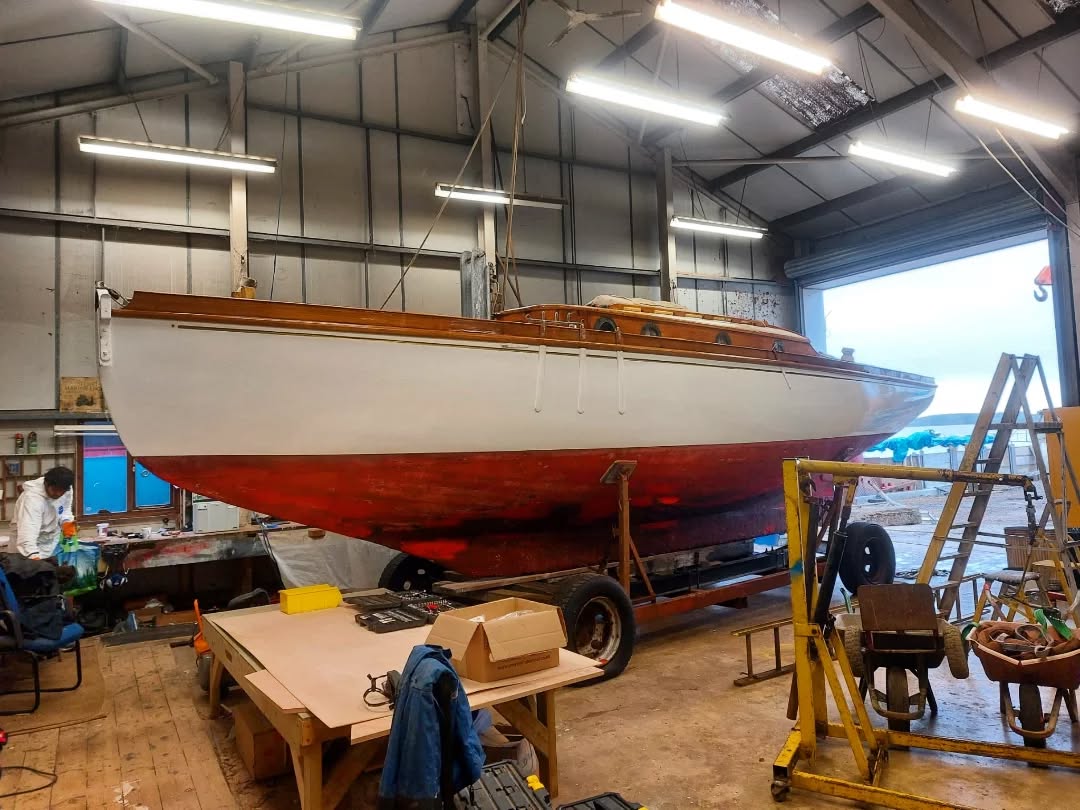
Nightfall.
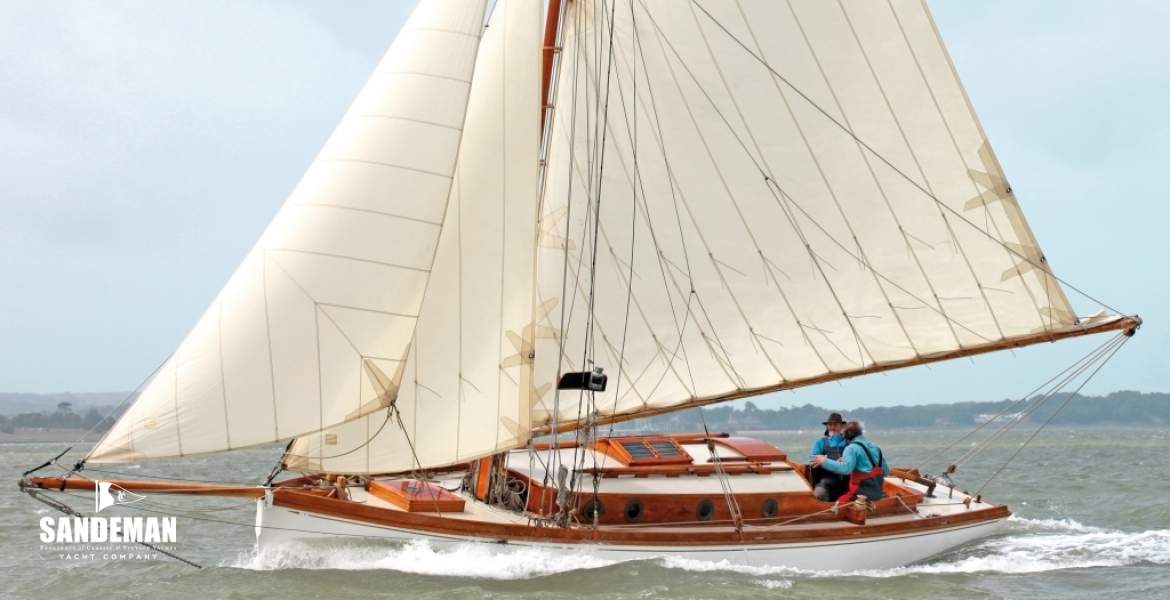
Nightfall. [Credit: Sandman Yacht Company]
Prinses Juliana (1910)
- 72 feet, 45 tons. Originally sails and motor, now just motor.
- Owned by Paul Scoggins for 4 years, used as a houseboat.
- Bought via local estate agents, moored at Robertsons Boatyard.
Else (1911)
- 35′, 40 tons.
- Built as a tug.
- Owned by Euan Laird.
- Lives at Melton.
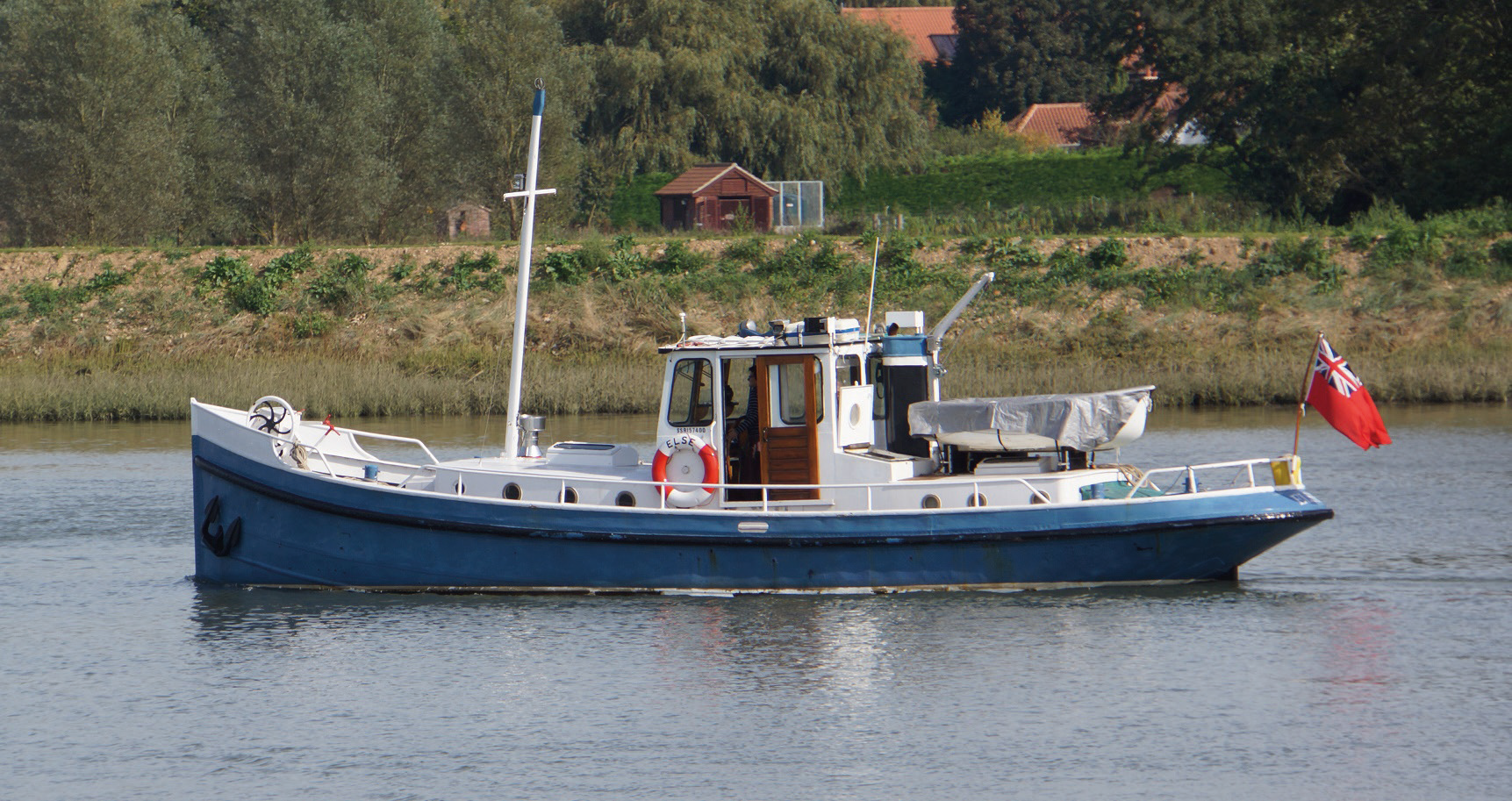
Else.
Capriccio (1912)
- 28′ LOA, 23′ LWL, 7’8″ beam, 4′ draft. Originally a sloop with an auxiliary 2 cy. 2 3/4″ x 3″ petrol, now a cutter with a Beta Marine 14.
- Built in Southampton as a private yacht.
- Owned by Paul Cook for 6 years, used for pleasure.
- Bought on the Deben, she moors at Ramsholt and overwinters at Larkmans.
Designed by Morgan Giles as a young man as his first yacht commission. Her original name was Wendy (made popular in 1907 by JM Barrie’s Peter Pan). Constructed from pitch pine on steamed oak frames with a cast iron keel. All original planking, only a few sister frames.
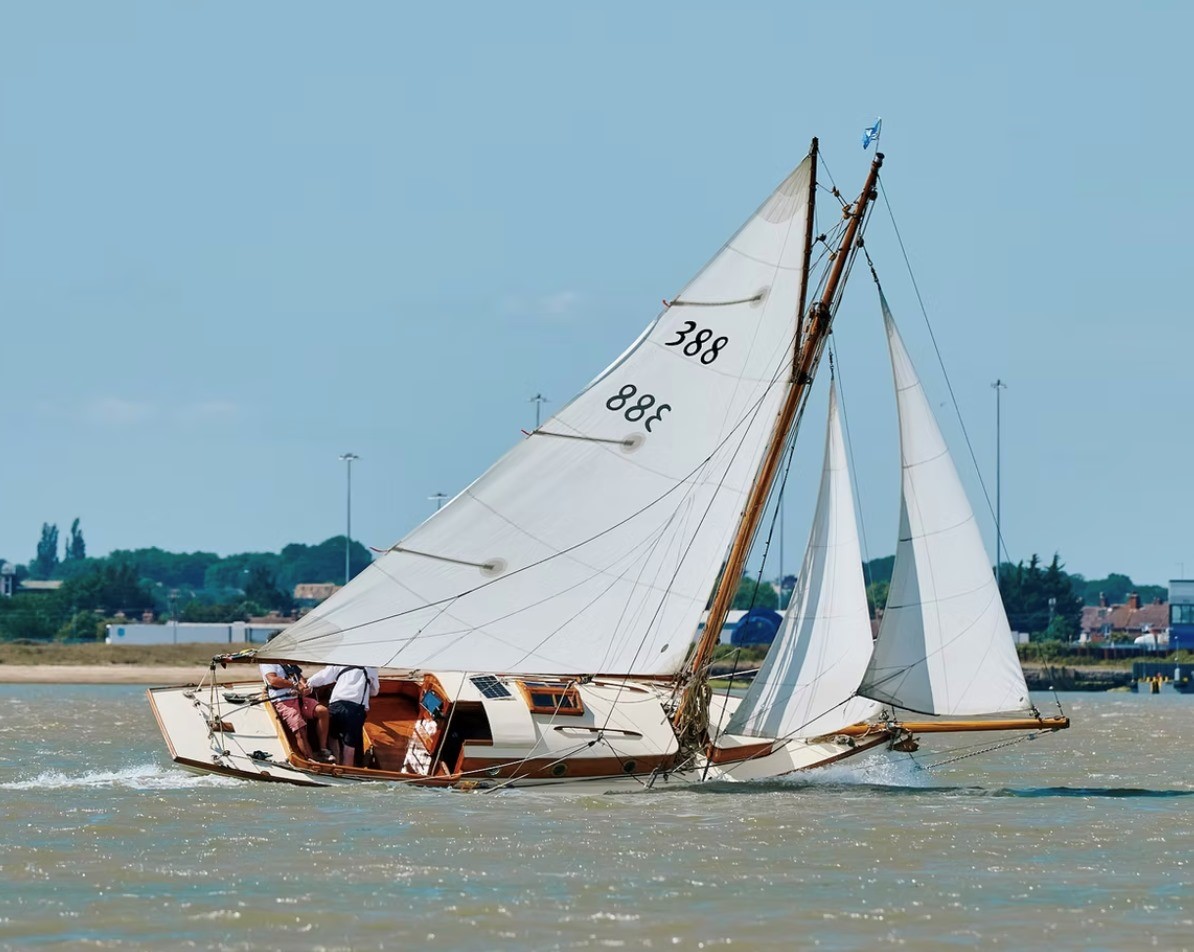
Capriccio.
Clytie (1922)
- 30 feet on deck, 6 tons. Sails, originally no engine, now an auxiliary diesel.
- Built at Eversons for pleasure.
- Owned by Jo Masters for 37 years, used for pleasure.
- Bought in Woodbridge. Lives at Methersgate in summer, Woodbridge in winter.
“Built for the current owners’ Great Grandfather Sir Clifford Paterson (War Scientist & Founding President of Waldringfield Sailing Club) and Daisy Paterson neé Ogden. They enjoyed cruising down to the Crouch and the Blackwater and up to their favourite destination of the river Ore. Daisy kept written logs of all their times onboard. These were later illustrated with photos which gives us a valuable insight to cruising life in the 1920s. Initially they had no engine, and their communication was by telegram. Plastic was yet to be invented (no plastic water or fuel containers, no manmade fabric for clothes or bedding or sails, cooking with paraffin, no electric anything onboard). Their daughter Joan and son-in-law Fred Brown took over ownership post war. There were no family members willing/available to take up the baton of Clytie ownership when Fred was too old to sail her.
We bought her back after 15 years out of the family following ownership of John Chapman in the 1970’s and 80’s. We rebuilt her and launched her in 1993. We sailed Clytie with our 3 children during the 90’s and 00’s and we now welcome onboard our grandson who is the 6th generation to sail on her.
Clytie is the longest resident yacht on the Deben built in Woodbridge.”
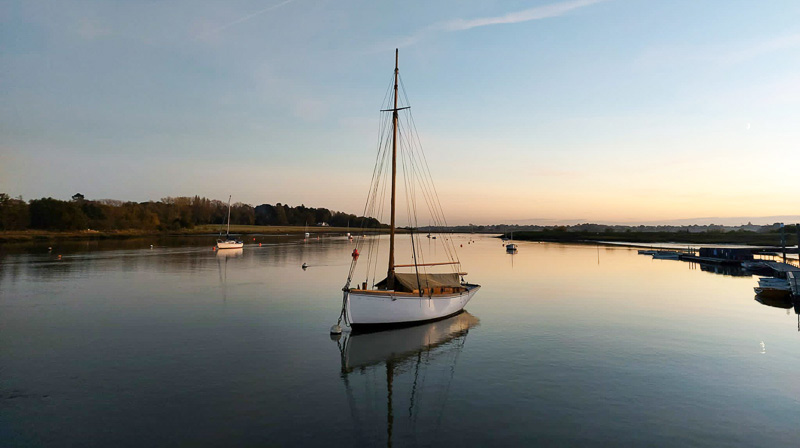
Clytie.
Alando (1923)
- 26 feet, 6 tons. Sails, originally no engine, now an auxiliary diesel.
- Built in Brightlingsea as an oyster smack.
- Owned by Vanessa Cartwright & Jago Hurley for 1 year, used as a yacht.
- Bought on the Deben, moored at Woodbridge.
“Converted to yacht in the late 30s then used for liveaboard! Scotland, Cornwall, Kent, then back home to East Coast ~2000.”
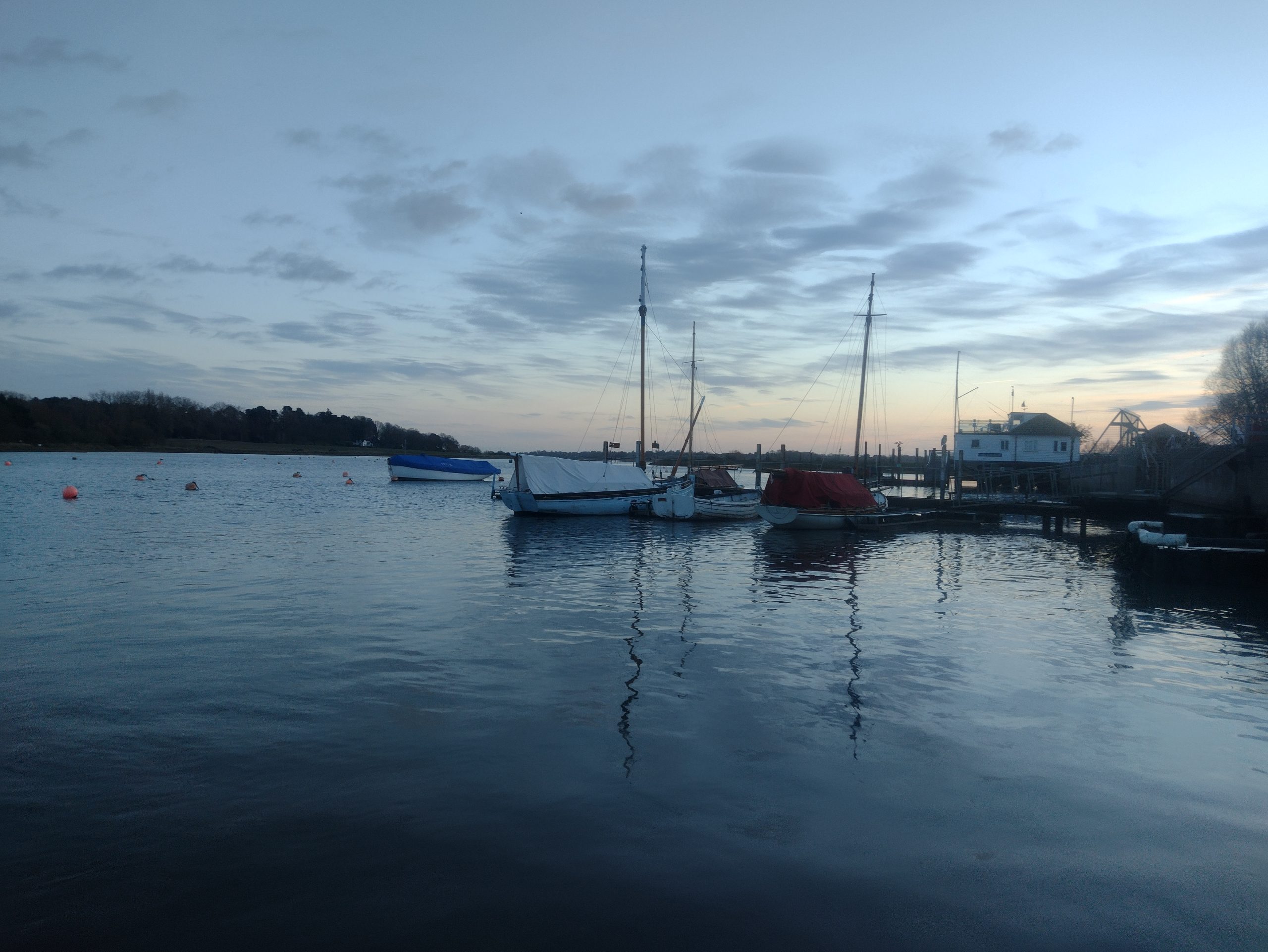
Alando (left).
Cherub (1924)
- 21 feet, 3 tons. Sails, originally no engine, now an outboard.
- Built at Eversons for pleasure sailing and racing.
- Owned by Alan Baxter for 6 months, used for pleasure sailing.
- Moored at Methersgate, currently undergoing work at Woodbridge.
Cherub is believed to be the first Deben Cherub of seventeen constructed. Based on a design built for launching from Aldeburgh beach. Deben Cherubs became the first successful small Cabin Yacht Class racing on the East coast.
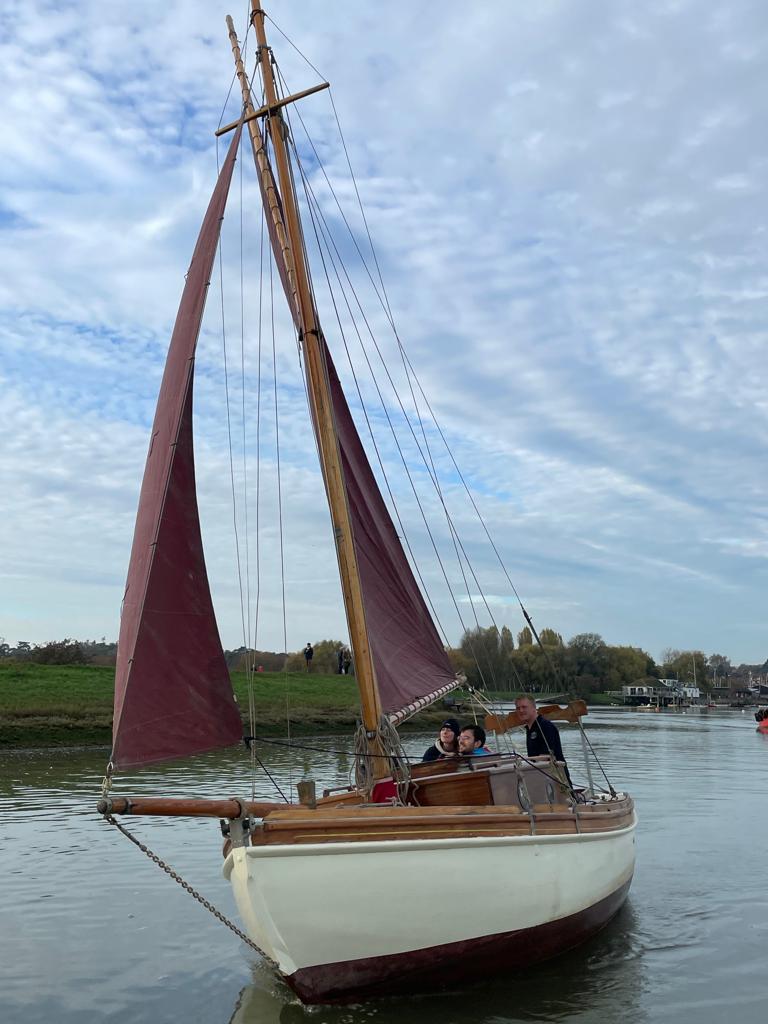
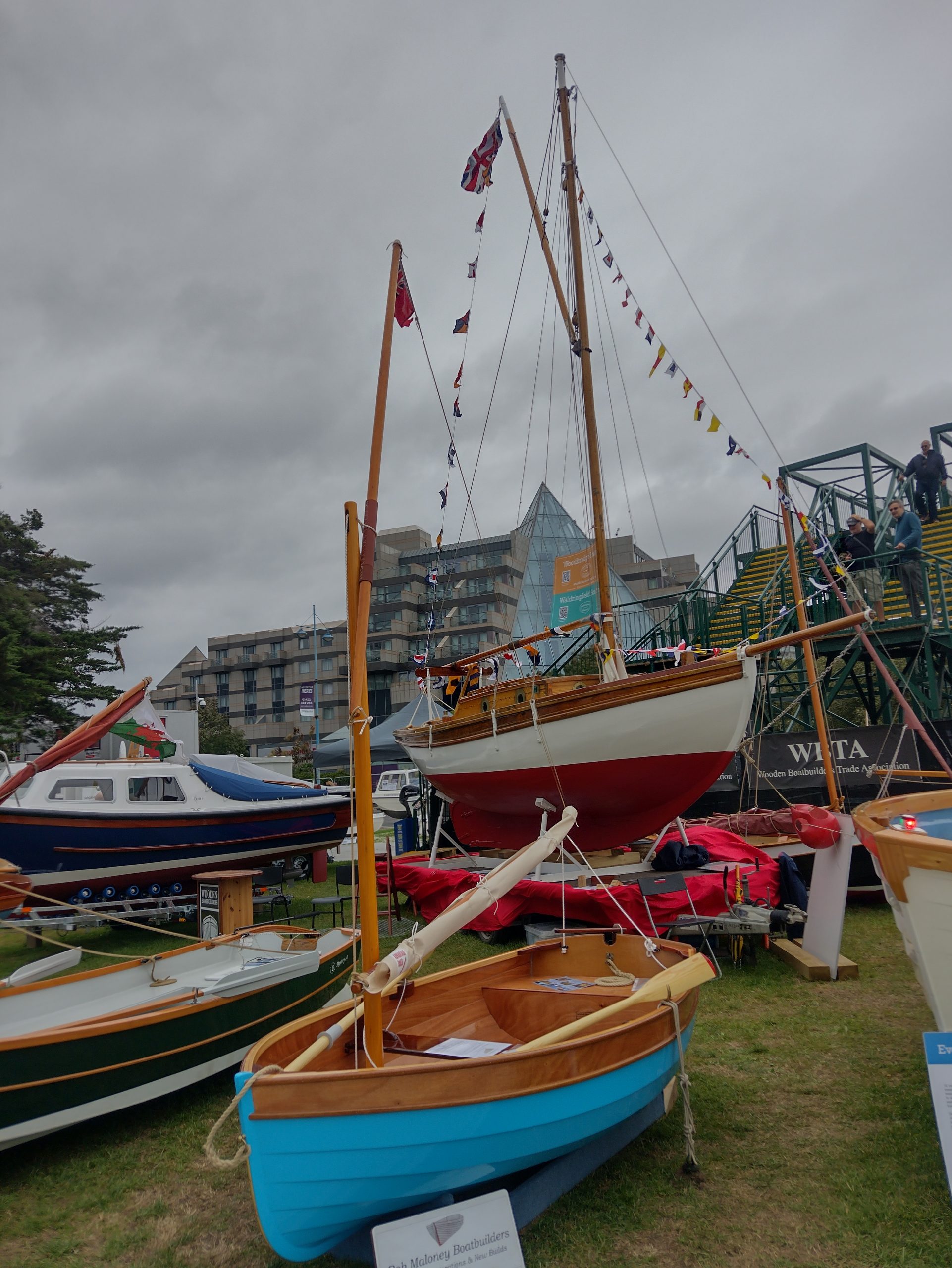
Cherub on the water and at the Southampton Boat Show.
Jacoba (1924)
- 97′, 20′ beam, 100 tons. Luxe motor.
- Built in Groningen for cargo trading in Holland.
- Owned by Michael Monk for 7 years, used as a studio/home.
- Bought from previous owner Simon Read, at Robertsons since 1980.
Built as a luxe motor in Groningen, launched Nov 1924. Taken by Nazis during 1940 and traded on Rhine. Returned to Holland 1945. Lengthened in 1950s and traded as Har-Mar. Out of service 1979—bought by artist Simon Read, shortened and converted to a houseboat/studio.
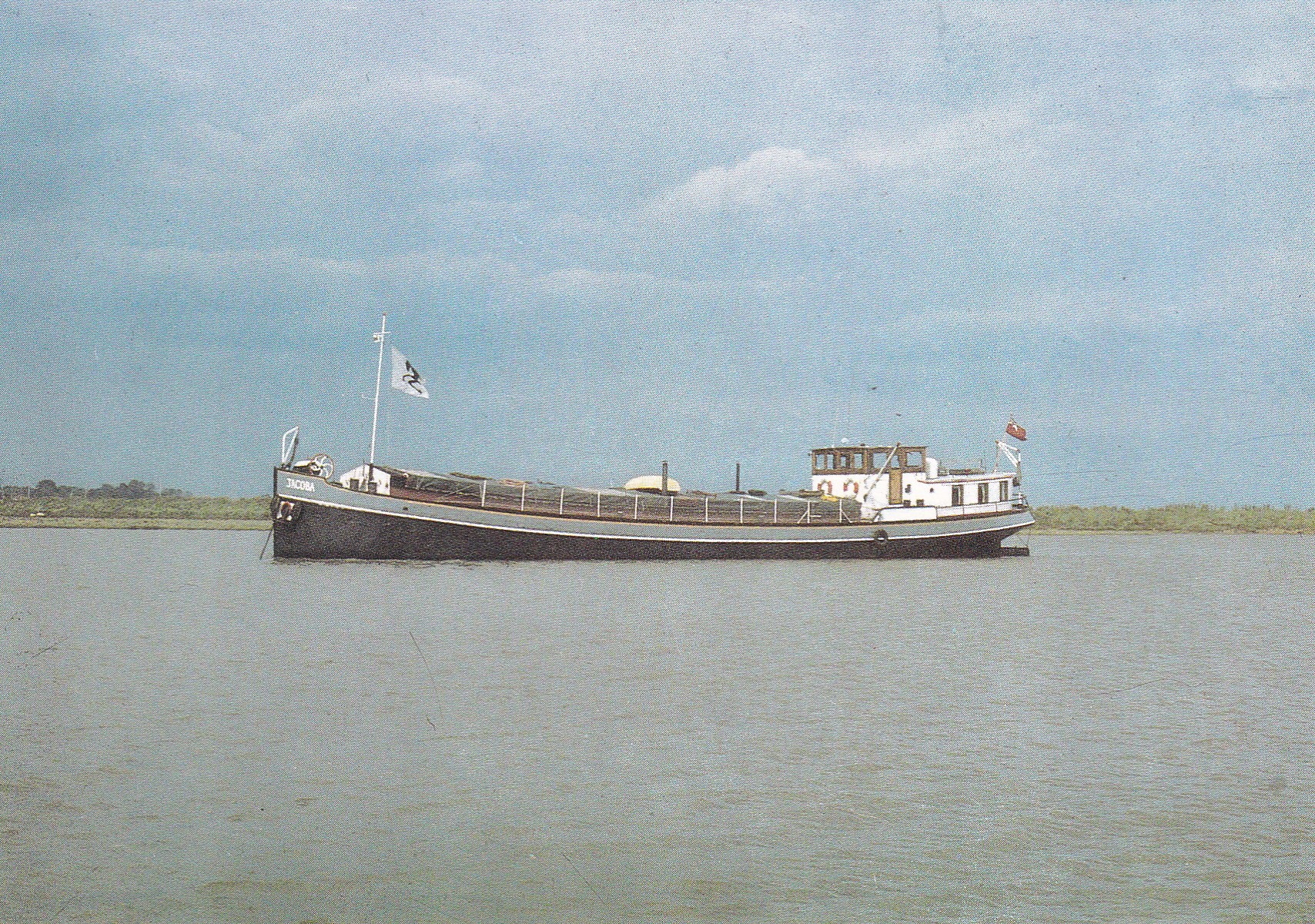
Jacoba.
Lightcliffe (1924)
- Sheffield size: 61.5′ length, 15.5′ beam, 7.5′ draft. Sheffield barge.
- Built on the Humber.
- Owned by Charlotte Ingham and Ron Thomas.
- Her sister ship Southcliffe on the National Historic Ships register.
- Her sister ship Ferncliffe on the National Historic Ships register.
Mentioned in books by John Taylor about the specialist Humber working craft.
She was still a working vessel into the 21st century, then was towed south from the Humber together with two sister ships and converted to a house boat by Charlotte Ingham and Ron Thomas.
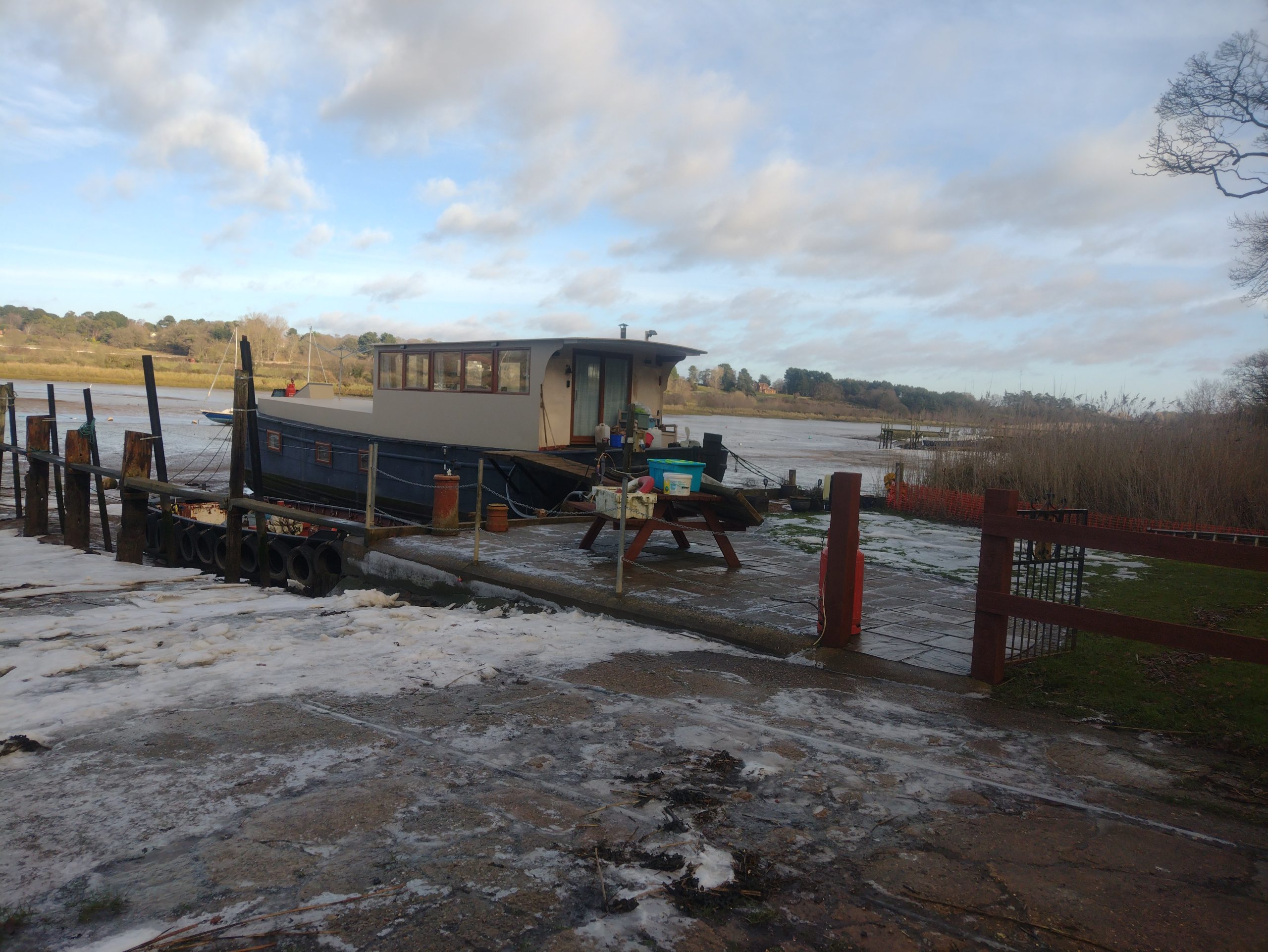
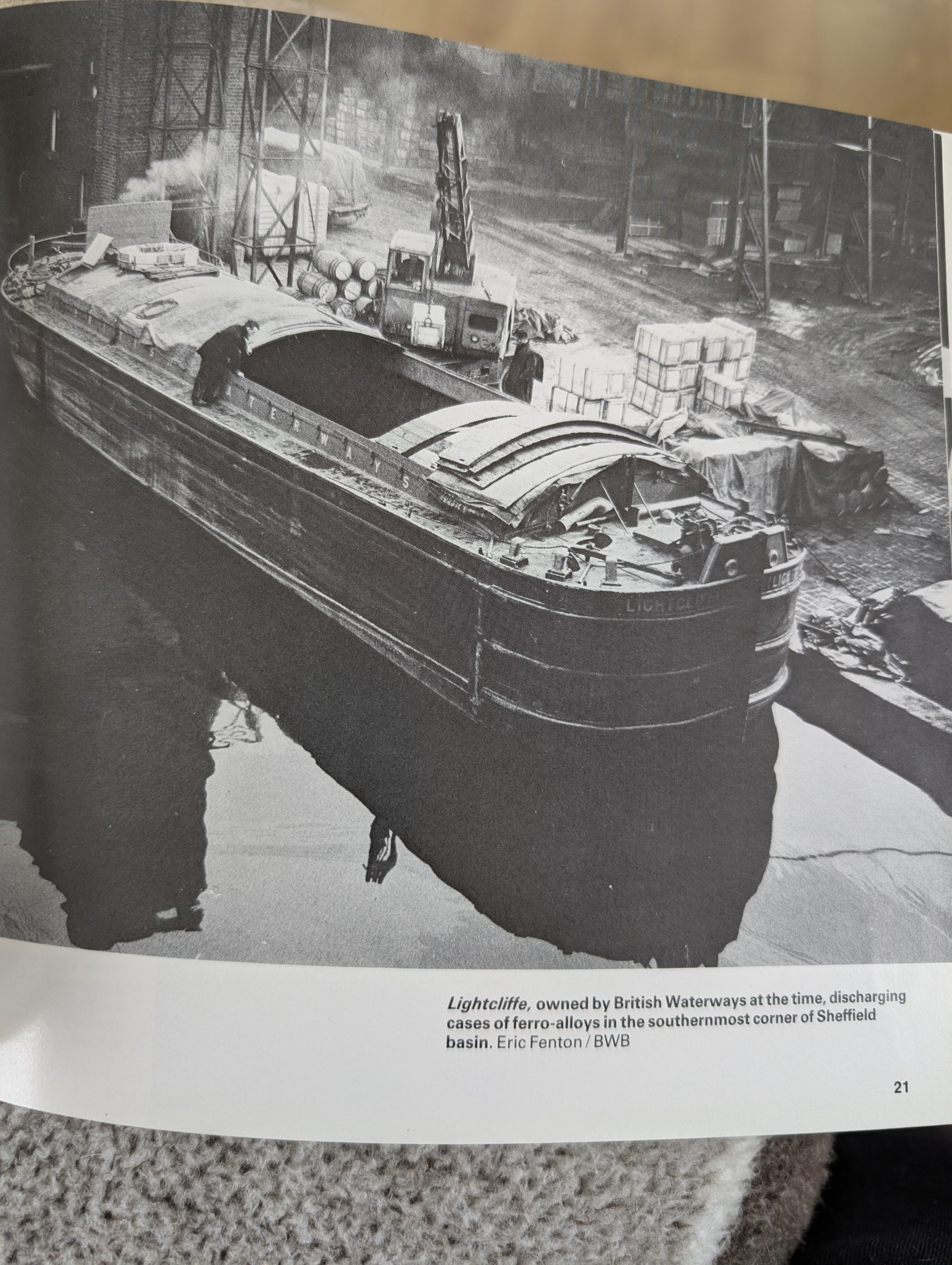
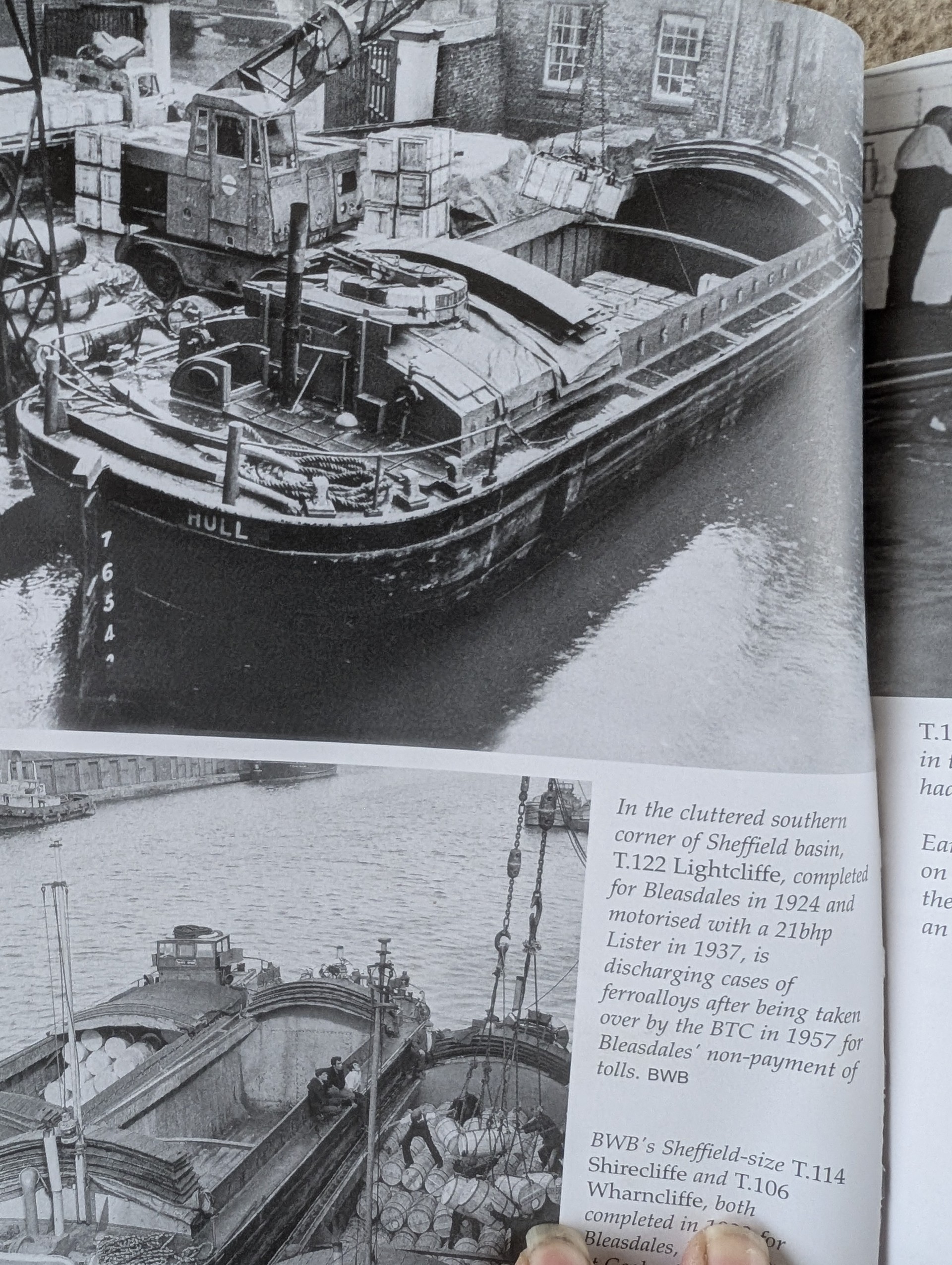
Lightcliffe.
Maid Marion (1925)
- 39’6″, 5′ draft, 18 tons. Sails and (still the same Ford 6-cylinder) engine. Cornish lugger.
- Built by Percy Mitchell in Port Mellon (Cornwall) for fishing.
- Owned by David Hunt (the Hunt family have owned her for 60 years), used for pleasure.
- Bought in Cornwall in 1964, now at Ramsholt.
- Originally called Westward.
- Featured on the RDA Journal.
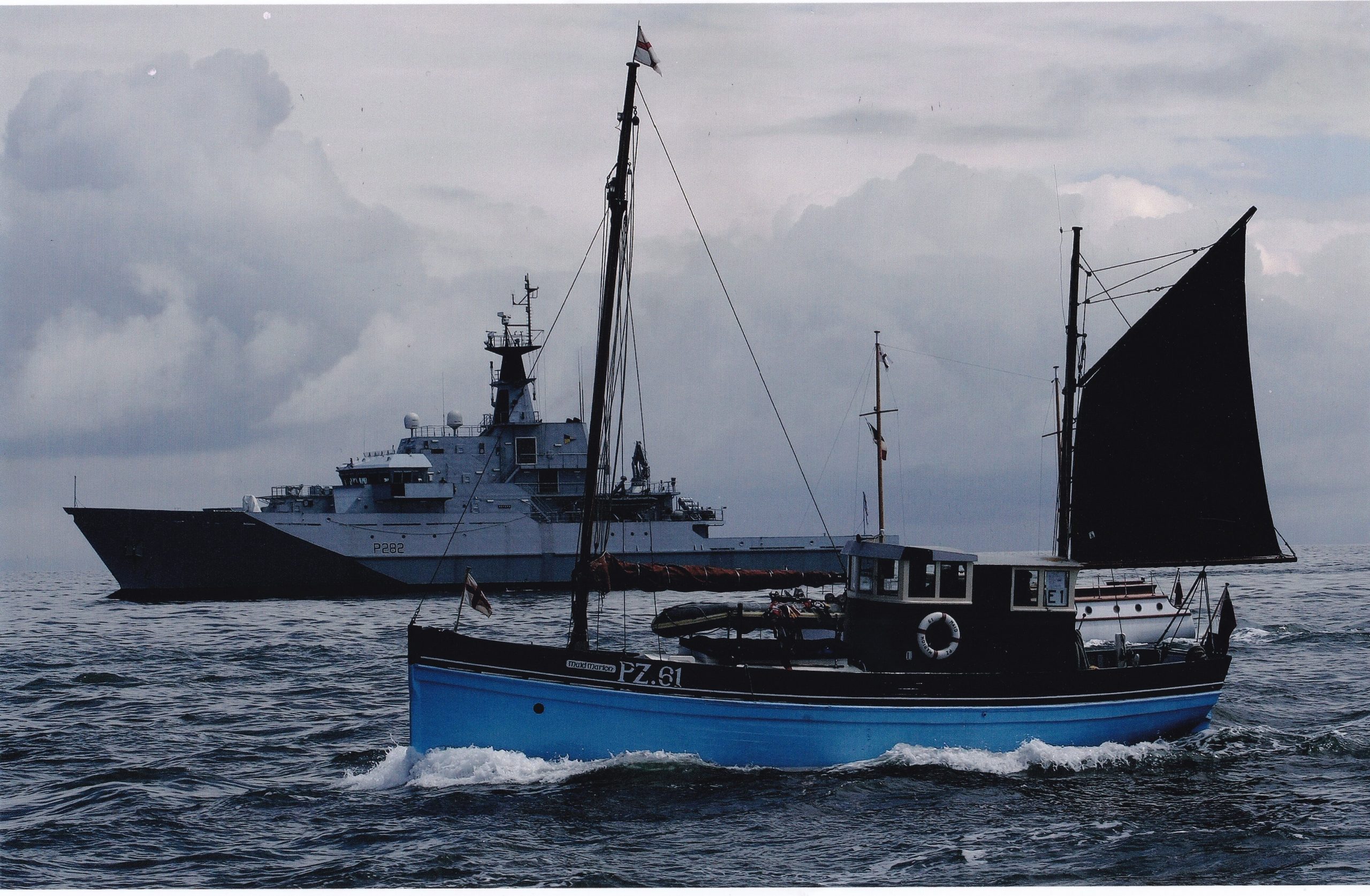
Maid Marion passing HMS Severn with the Association of Dunkirk Little Ships (ADLS).
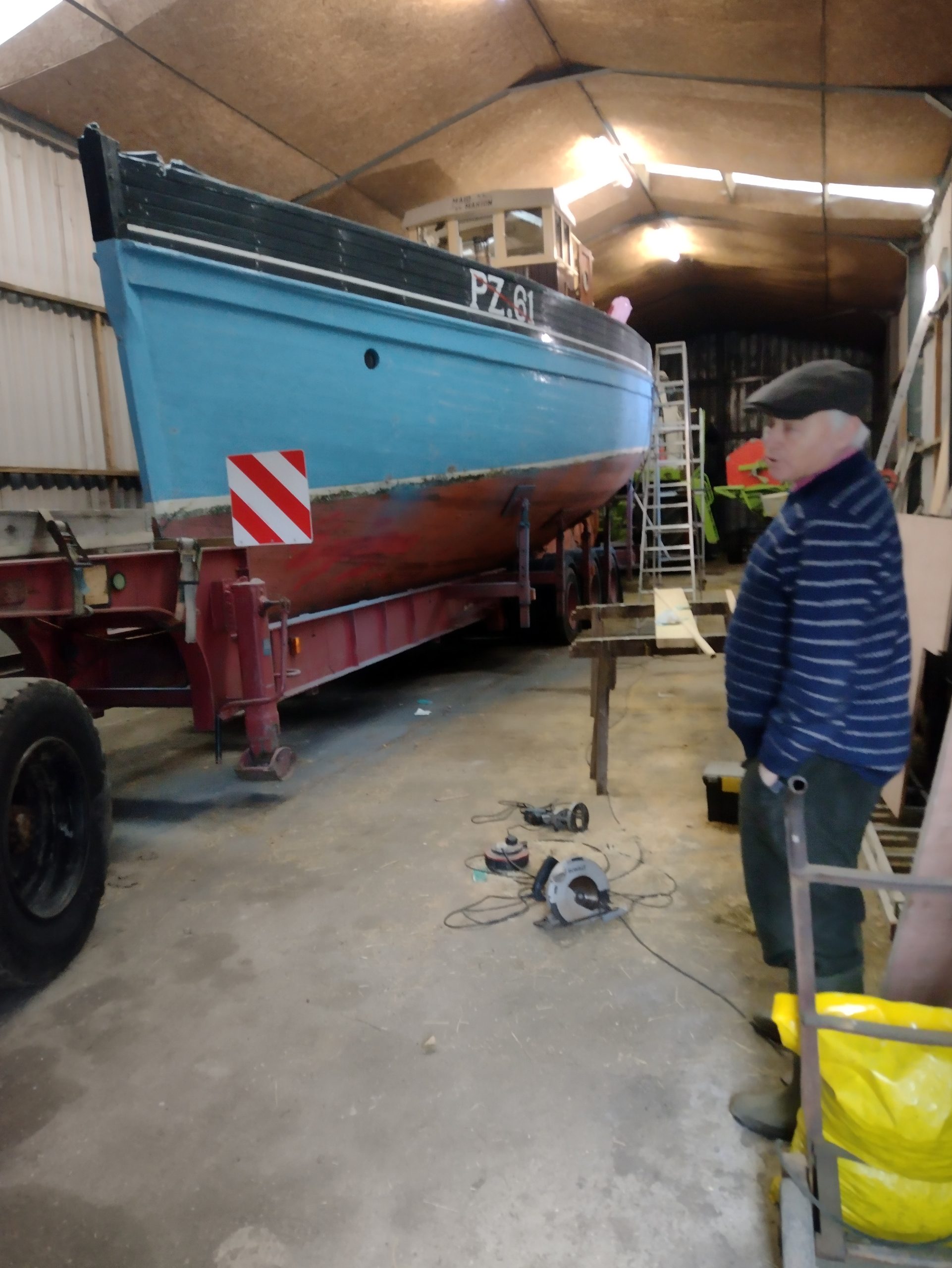
Maid Marion at home on the farm.
Beta III (1926)
- 67′, 35 tons. Originally twin-engine, now a Gardiner engine.
- Built in Greenwich as a fire boat.
- Owned by Helen Symonds for 11 years, used as a house boat.
- Bought in Rye harbour, now moored at Woodbridge Quay.
- On the National Historic Ships register.
- Follow her story—and find out more about her history—on her website.
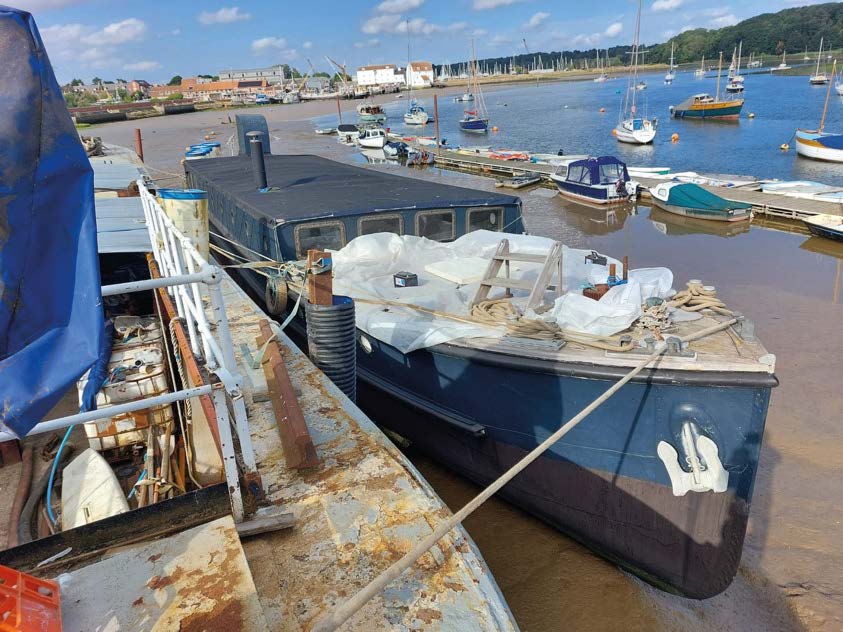
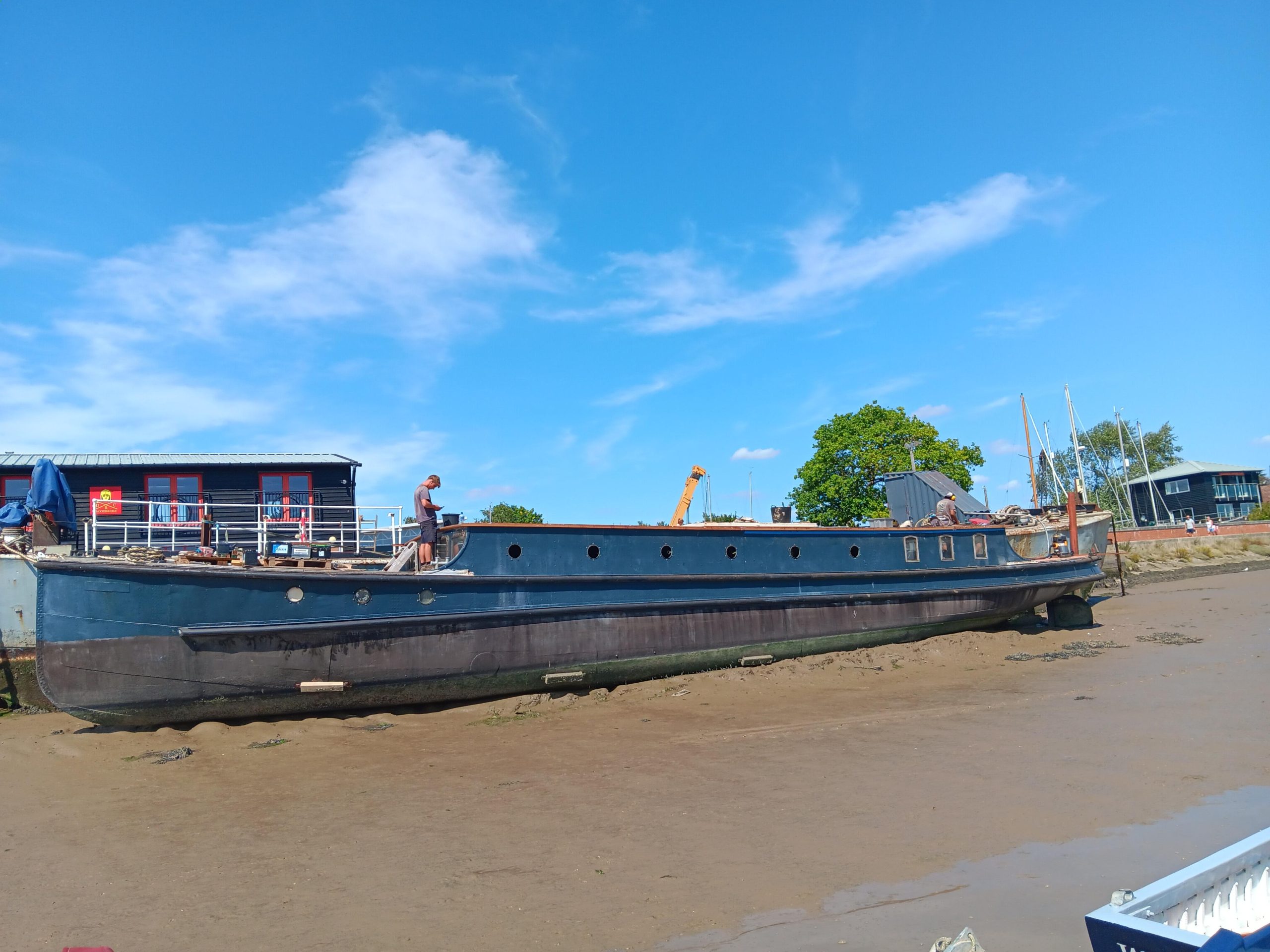
Beta III.
Tijdstroom (1926)
- 75′ length, 15′ beam, 4′ draft.
- Dutch Luxemotor barge.
- Now a houseboat.
- Featured in The Deben, Spring 2021.
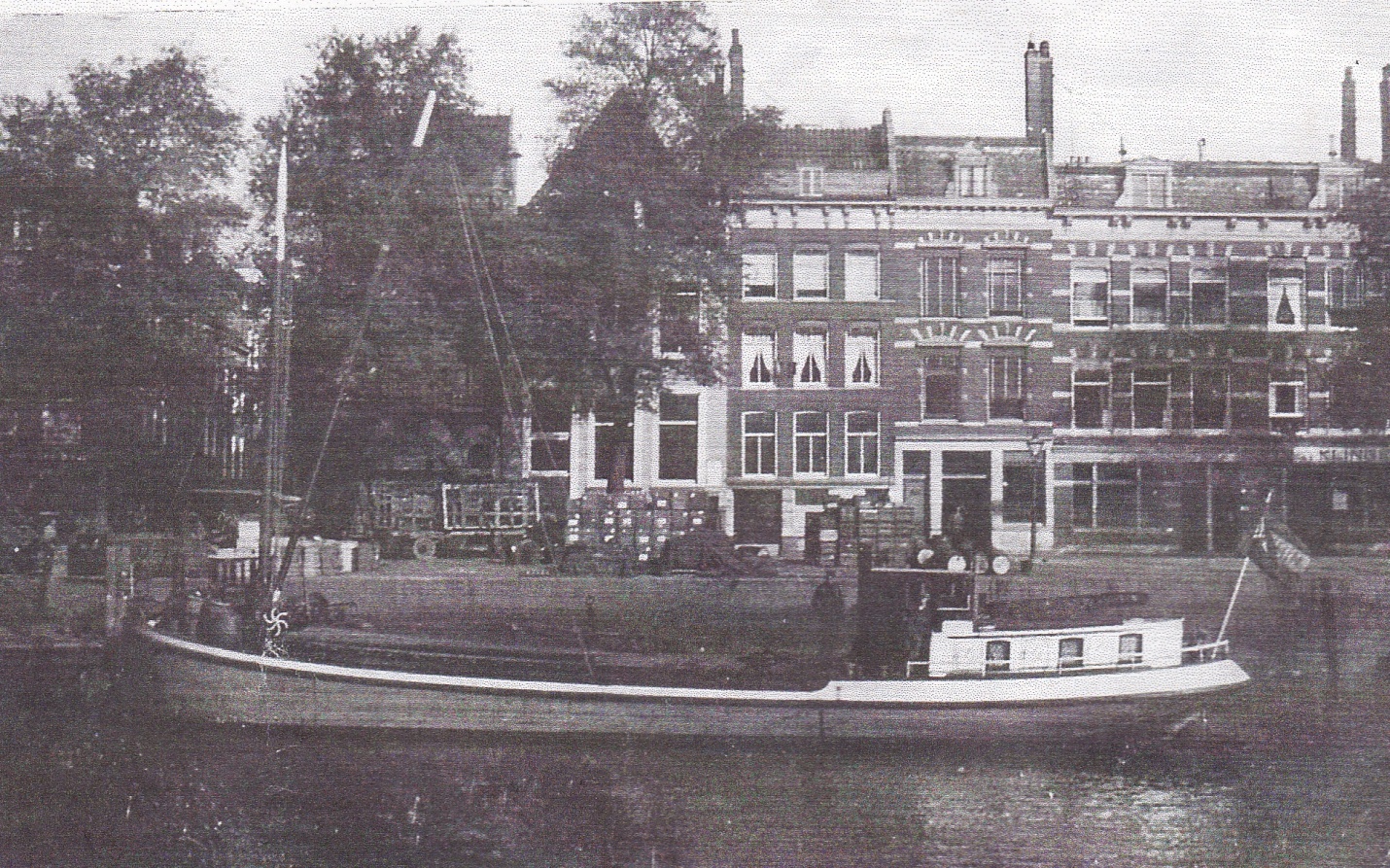
Tijdstroom moored in the Netherlands.
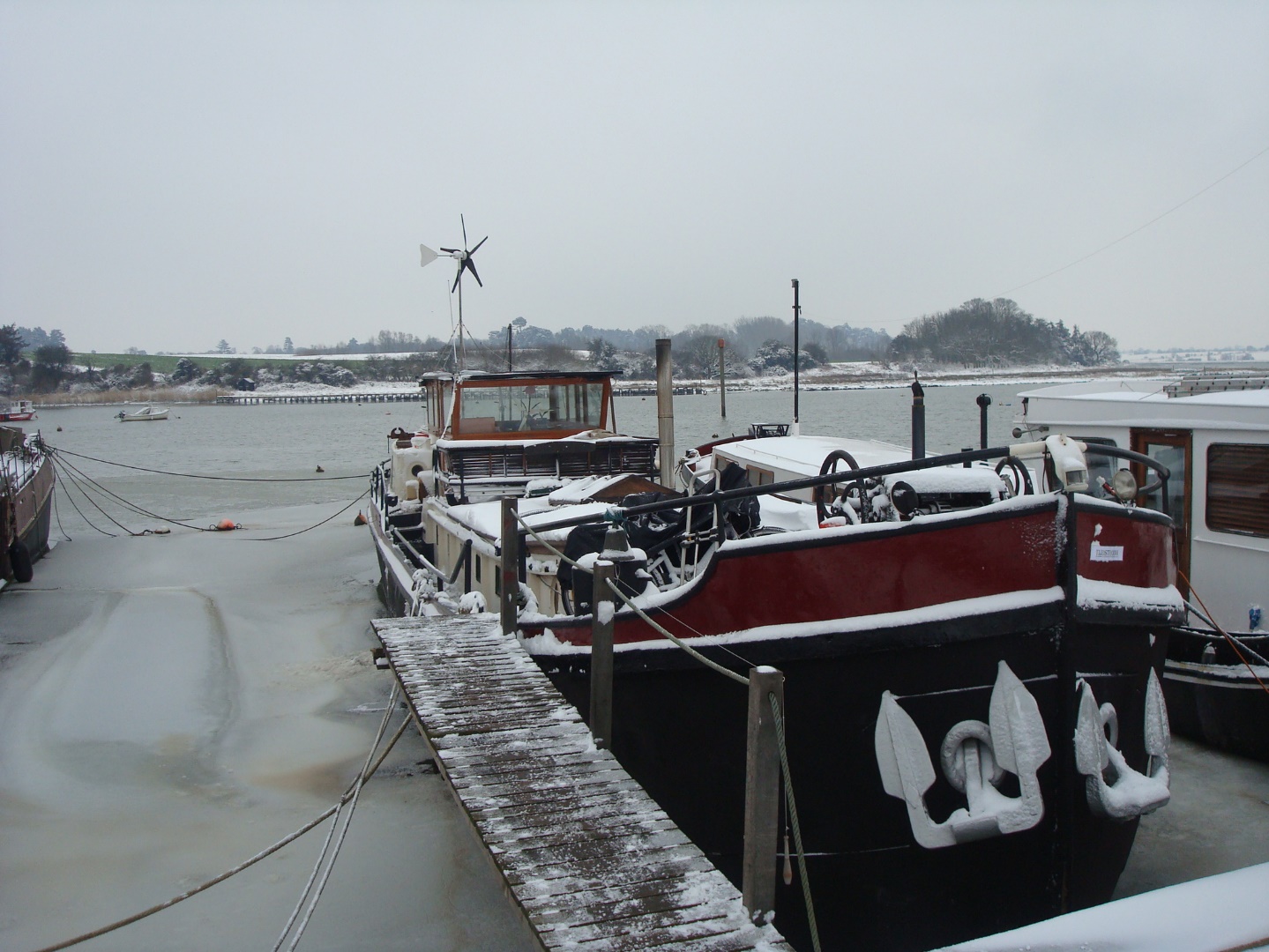
Tijdstroom moored on the Deben.
Daya (1928)
- 50′. Katwijker type Dutch barge.
- Two bedroom houseboat, moored on the Ferry Quay.
- Recently for sale.
Believed to have started life as a lighter and was converted into a river cruiser in the south of Holland at Maasbracht and was cruised in the rivers and canals around there.
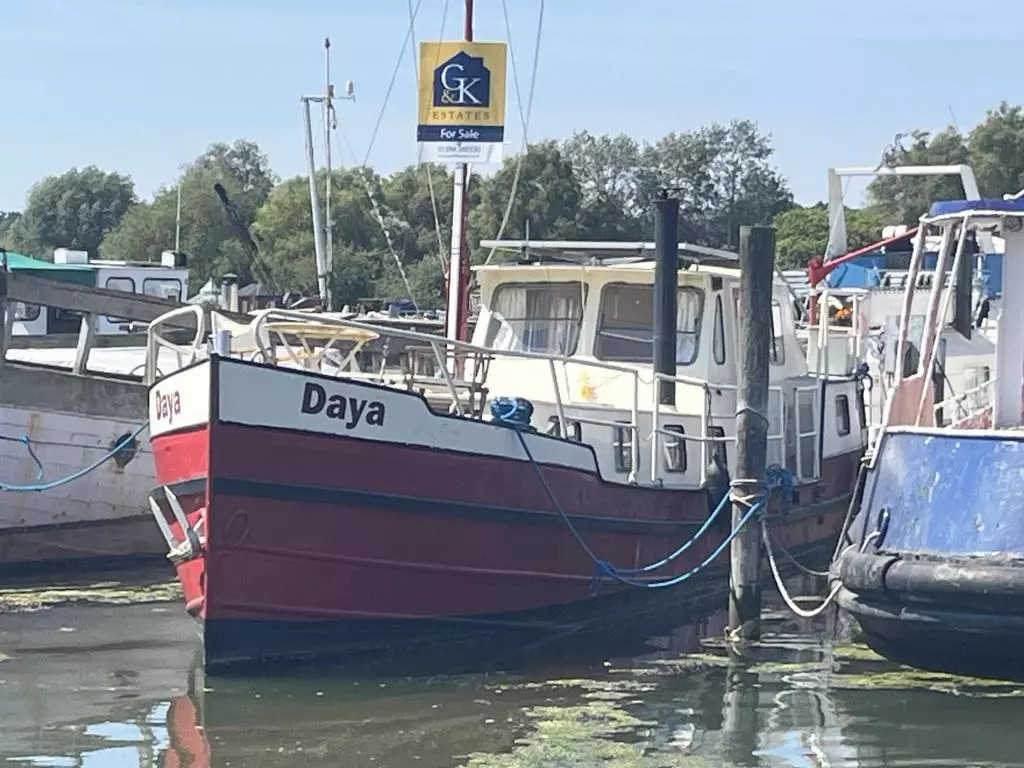
Daya.
Draak (1928)
- 46′. Diesel engine. Converted Dutch barge.
- Originally inland bunker fuel barge converted to river cruiser and now houseboat, moored on the Ferry Quay.
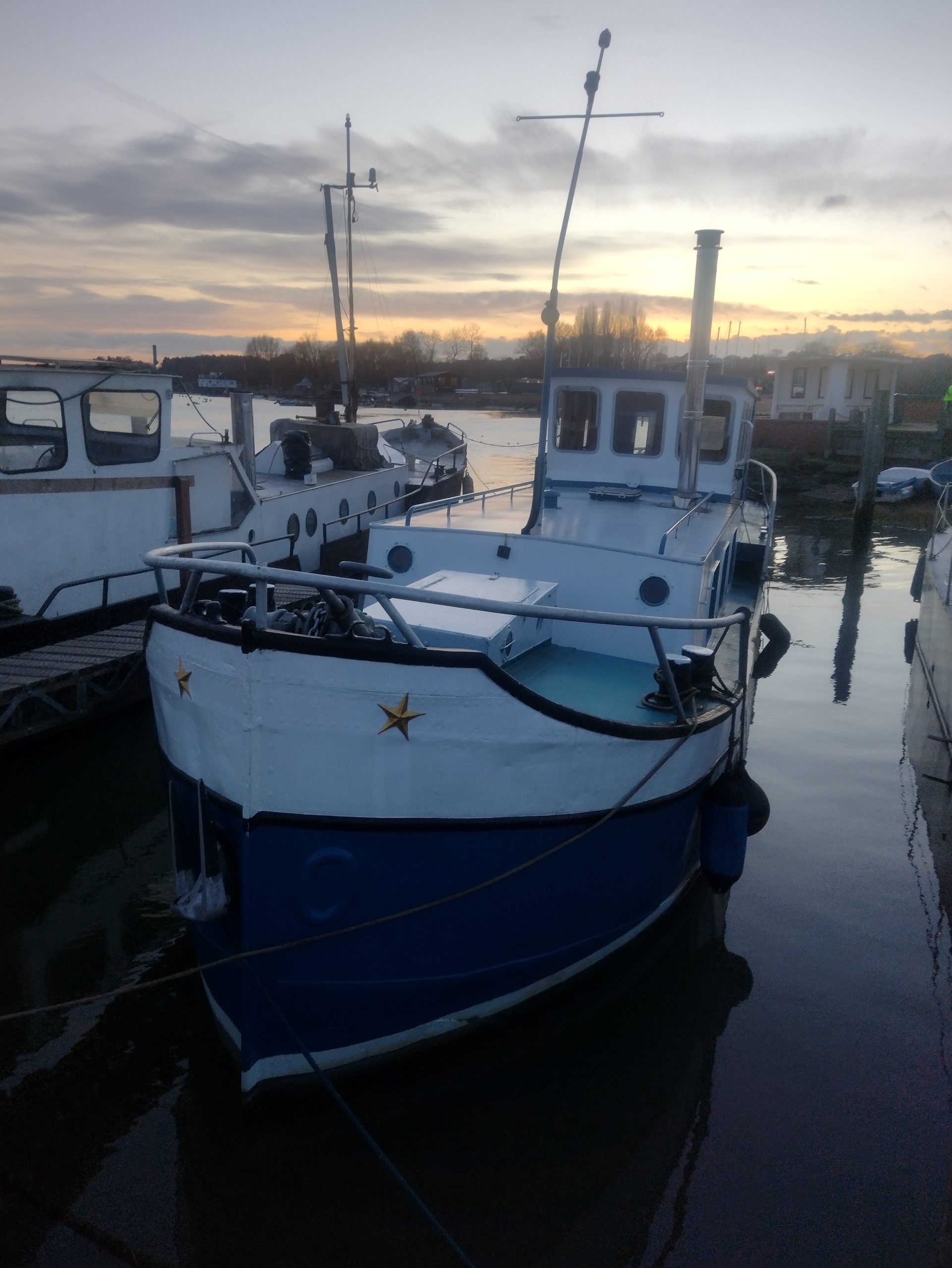
Draak.
Friendship (1929)
- 24m, 4.2m beam, 0.9m draft, 53 tons.
- Built in Foxhol, The Netherlands as a working Dutch barge.
- Owned since March 2021, used for pleasure.
- Moored at Robertsons.
1929: She was built by Scheepswelf de Vooruitgang te Foxhol. This is in the province of Groningen, north-east area of The Netherlands.
1974: Underwent renovation (no details).
1978: Sold to a couple in Amsterdam who named her Johanna E.
1989: Sold to another couple in Amsterdam who named her Jan.
2008: Sold to an English family. She was brought from Amsterdam to Suffolk. They named her Friendship of Woodbridge. They lived on her in Woodbridge until 2020.
2021: Sold to current owners.
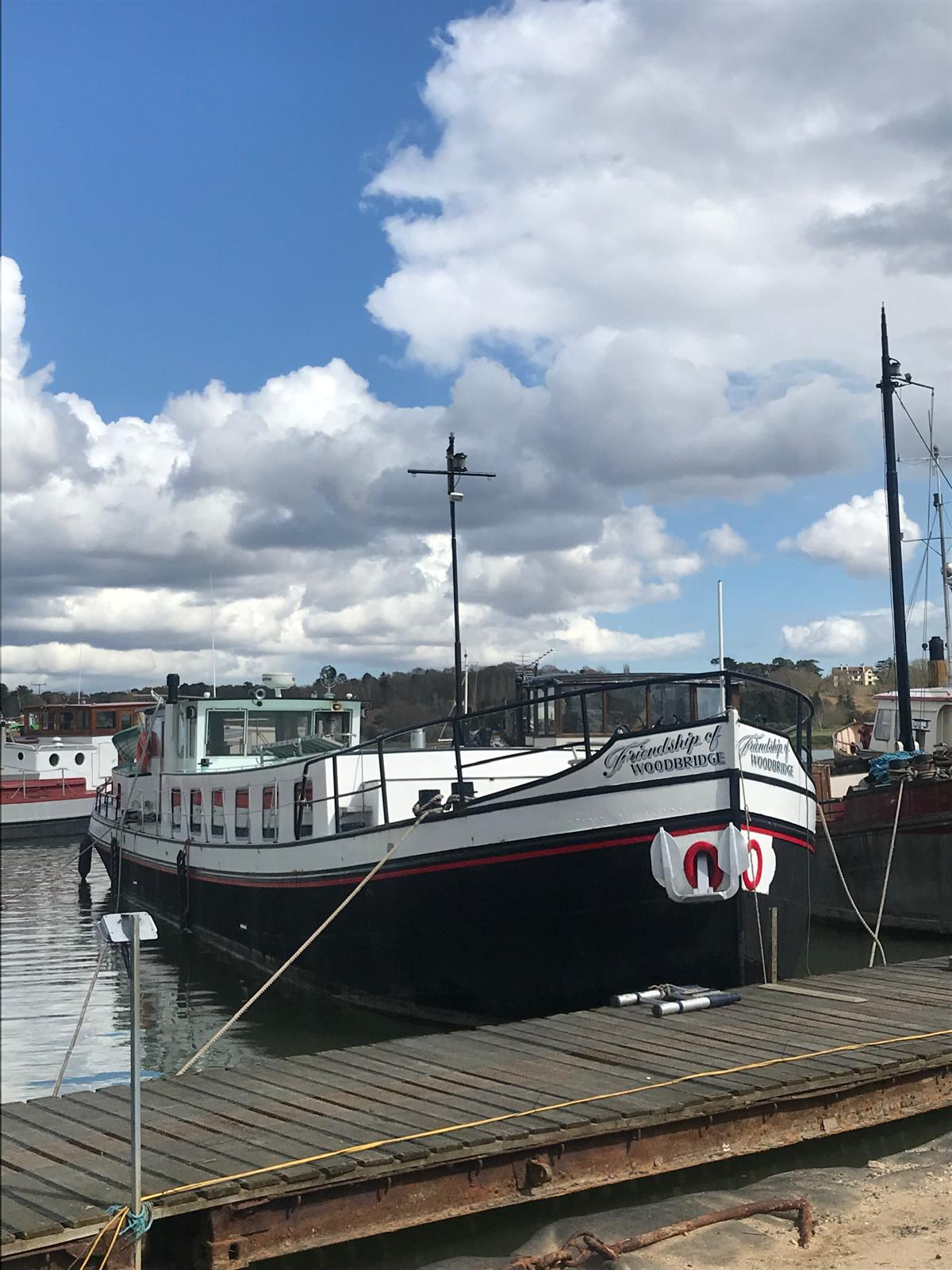
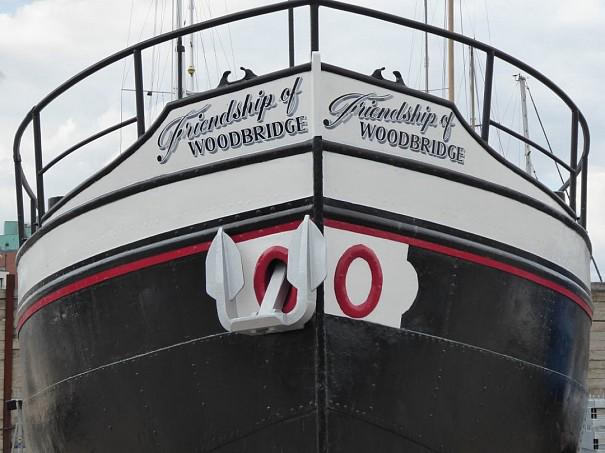
Friendship of Woodbridge.
Fenguide (1930)
- Currently at Waldringfield.
- On the National Historic Ships register.
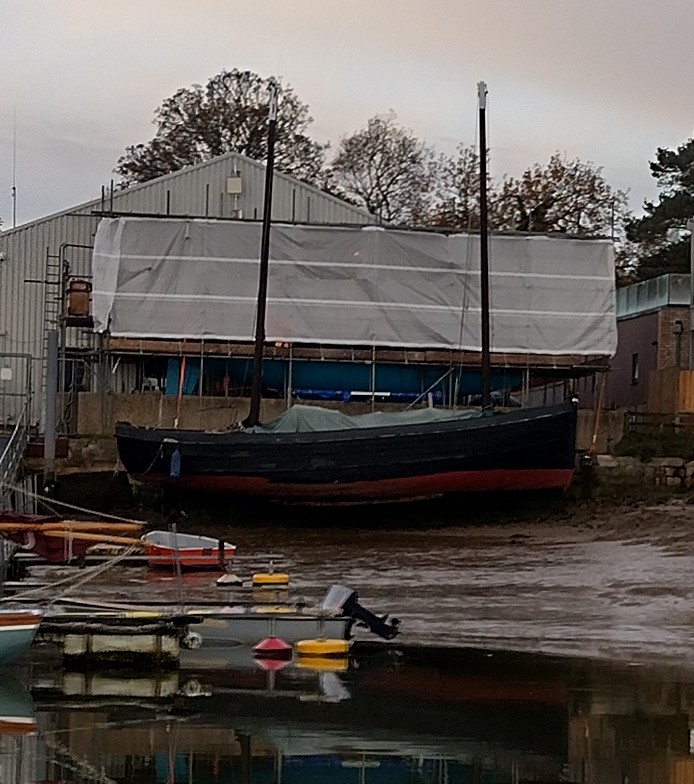
Fenguide.
Lindy Lou (1931)
- Cherub no. 6.
- Built at Eversons.
- Currently based at Woodbridge Boatyard.
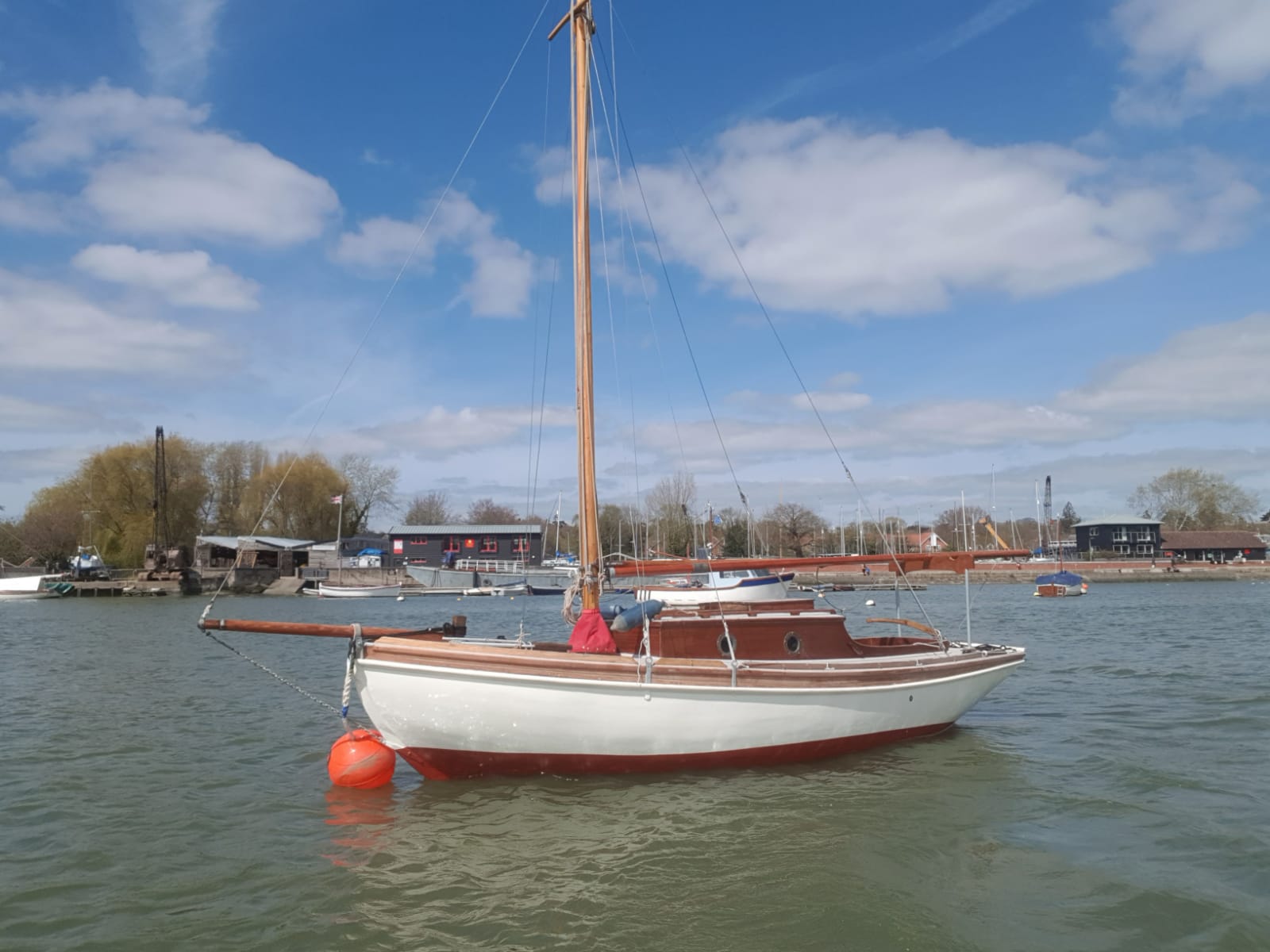
Lindy Lou.
Ariel (1934)
- 21 feet, 3 tons. Deben Cherub, originally with an 8 hp Stuart Turner, now a 12 hp Dolphin.
- Built at Eversons as an estuary cruising vessel.
- Owned by Tim Everson, used for pleasure (therapy!).
- Bought at Woodbridge Boatyard, now moored at Methersgate in season, ashore at Woodbridge Boatyard in winter.
- Currently (and regretfully) for sale.
Originally named Annette. Kept on the Broads by the owner before last.
Winner of the 2020 Classic Boat Restoration Award (under 40′).
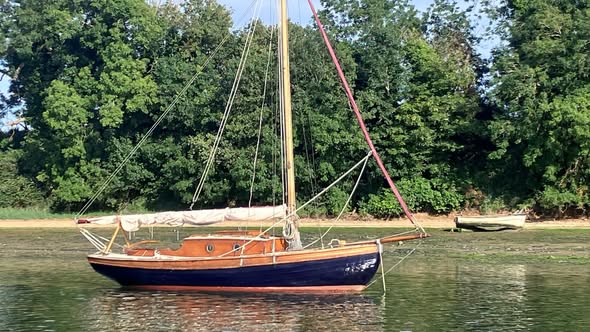
Ariel.
Marguerite Explorer (1934)
- 71′.
- Built in Denmark as a Danish seiner (fishing boat).
- Owned by Chris Dean, awaiting restoration.
- Towed round to the Deben last year by Tam Grundy.
Marguerite Explorer has a fascinating history, including whale watching and scientific research in Scotland, which we hope to share in a future RDA Journal article.
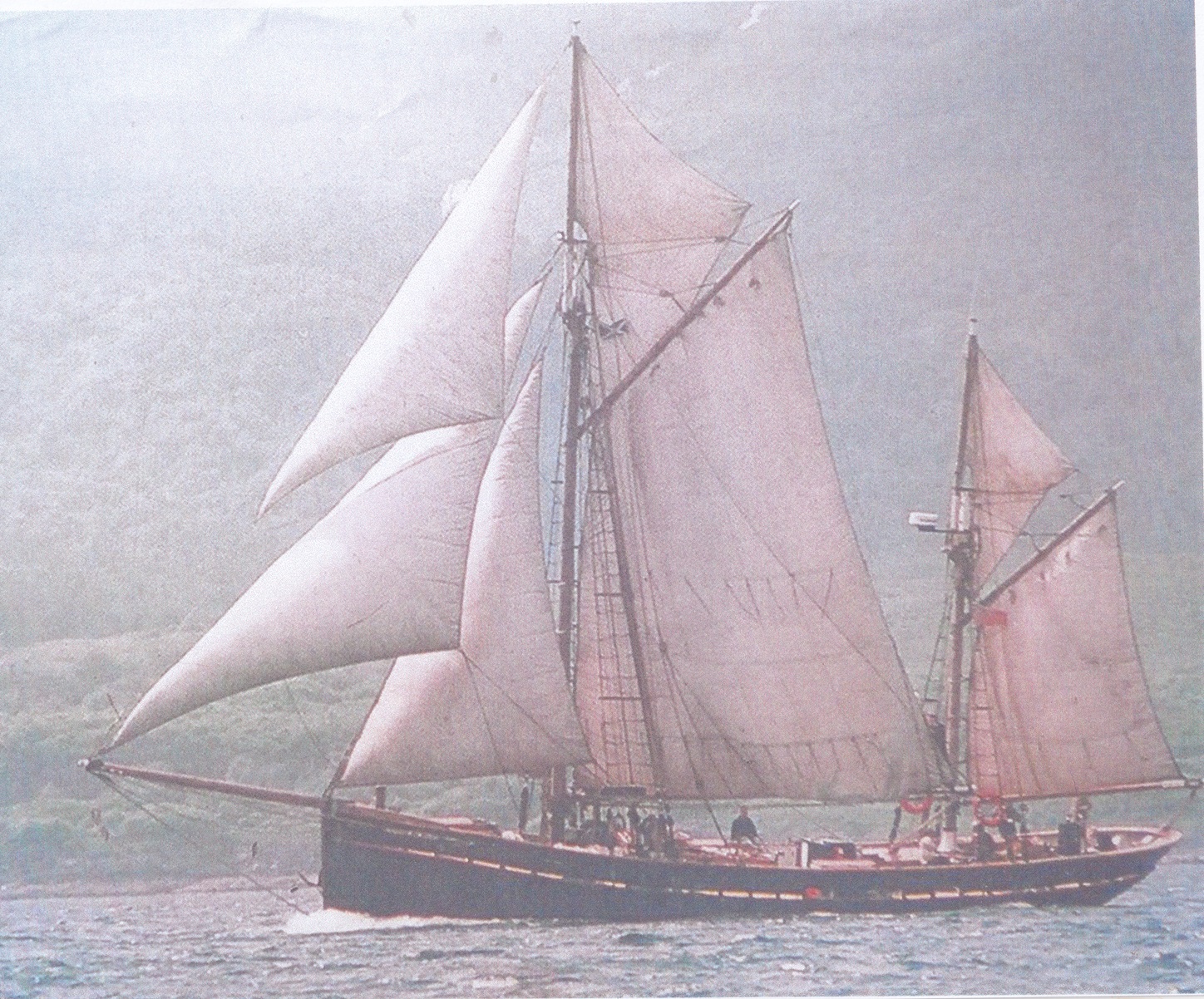
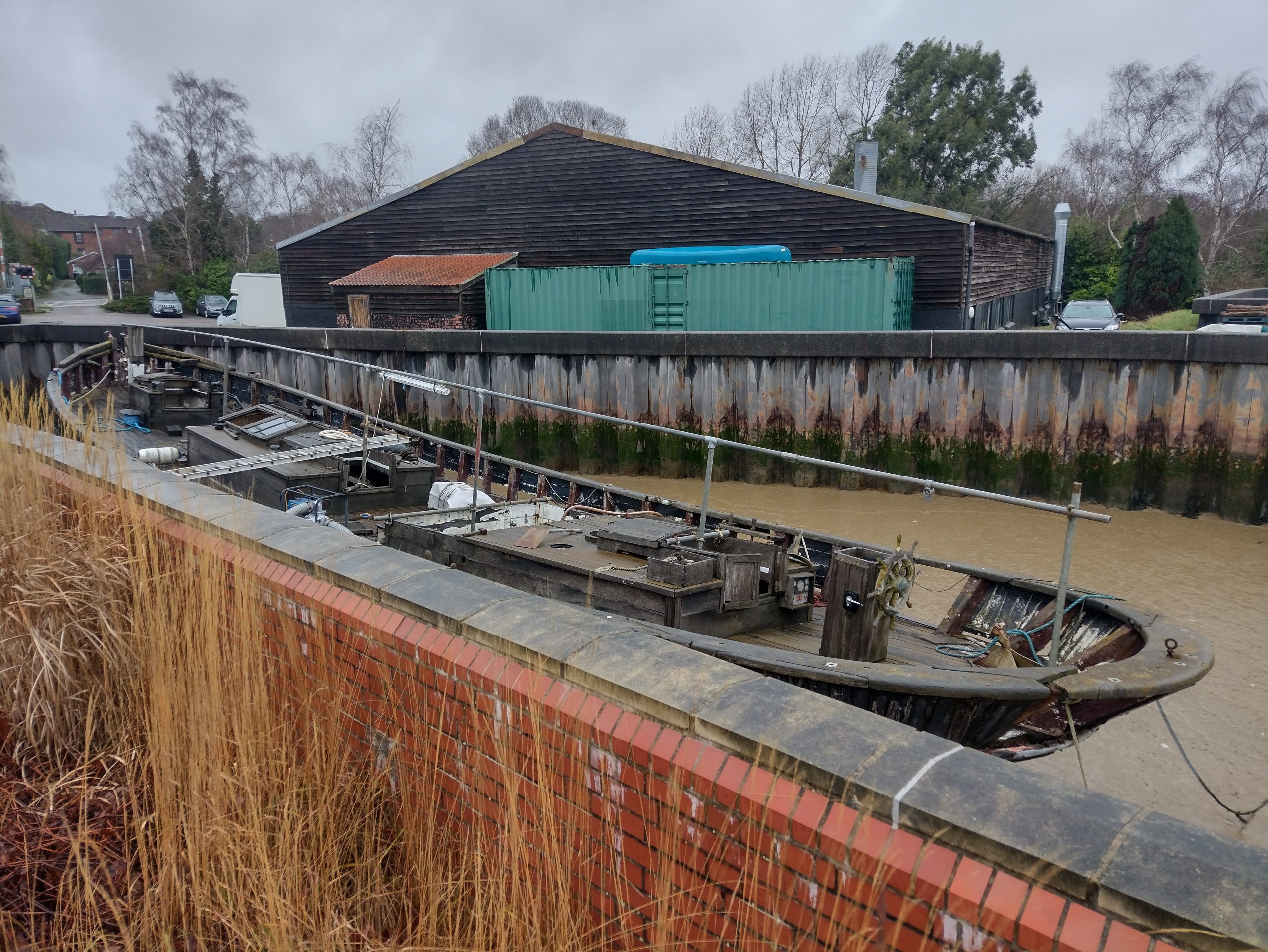
Marguerite Explorer.
Fertile (1935)
- 72′ LOA, 18′ beam, 3′ draft, 58 tons. Spritsail, diesel engine.
- On the National Historic Ships register.
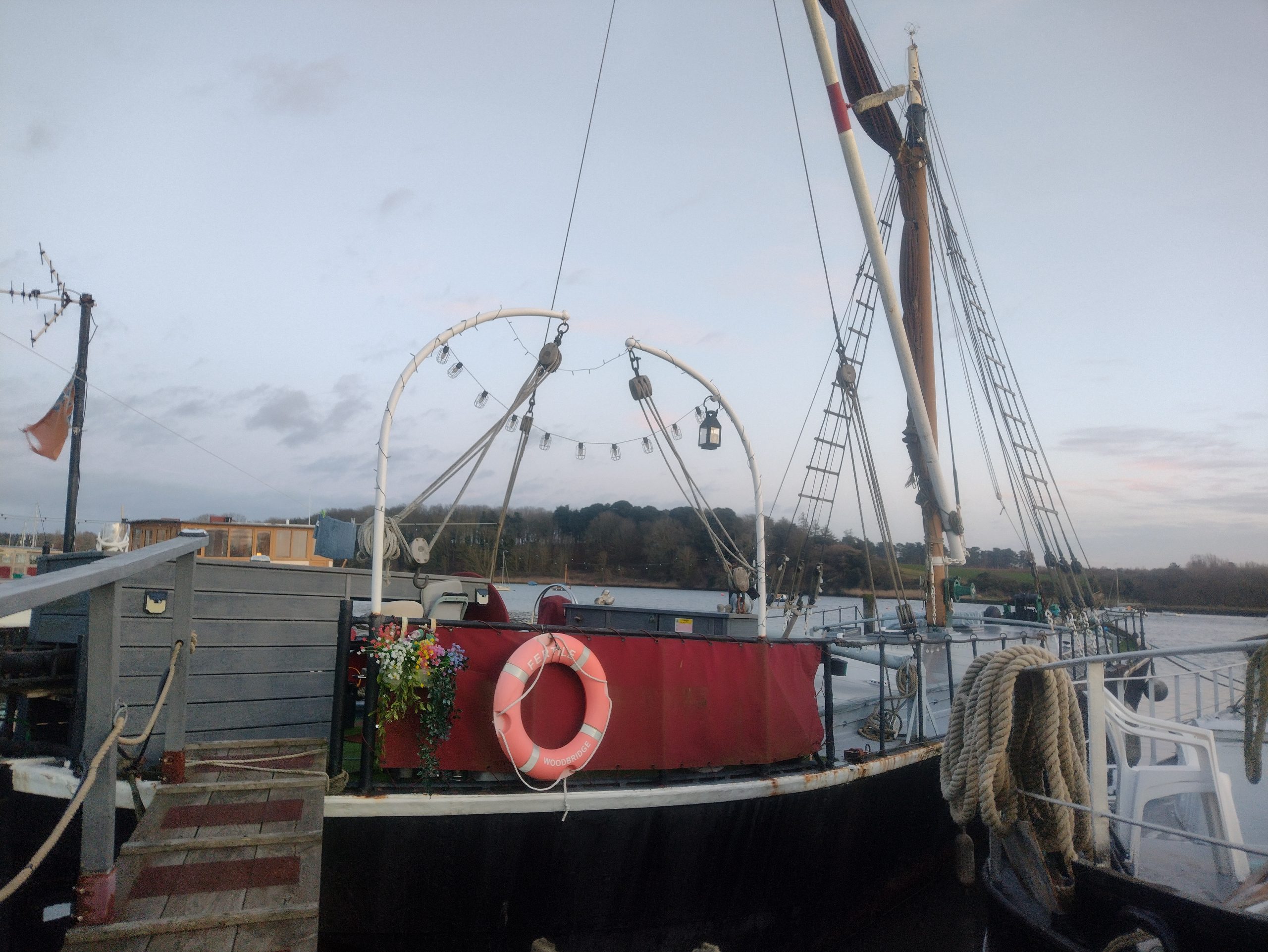
Fertile.
Jubilee (1935)
- 21′, 3 tons. Deben Cherub, sail with auxiliary engine.
- Built at Eversons as a cruiser racer yacht.
- Owned by Woodbridge Boatyard for 5 years, used as a cruiser racer yacht.
- Bought at Larkmans, now moored at Woodbridge Boatyard
Built for Rev D Symon. Owned by Mr B Green for 35 years before being bought back by the yard.
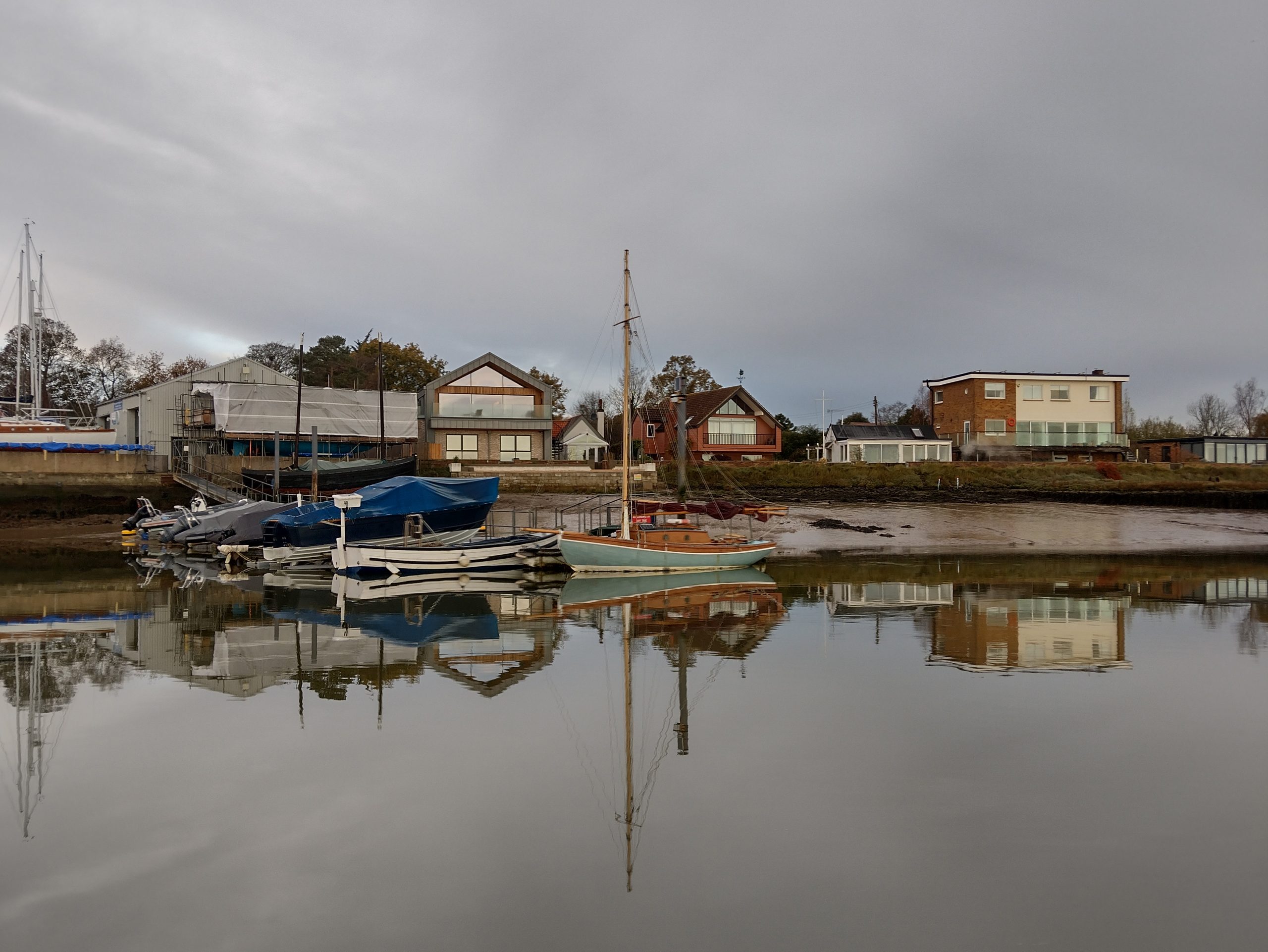
Jubilee.
Vindilis (1935)
- 25′, 7 tons. Sails and motor.
- Built by AH Moody in Swanage for pleasure.
- Owned by Mark Adams (new purchase).
- Bought in Emsworth, now in the Tide Mill.
Vindilis was designed by T Harrison Butler as his own yacht.
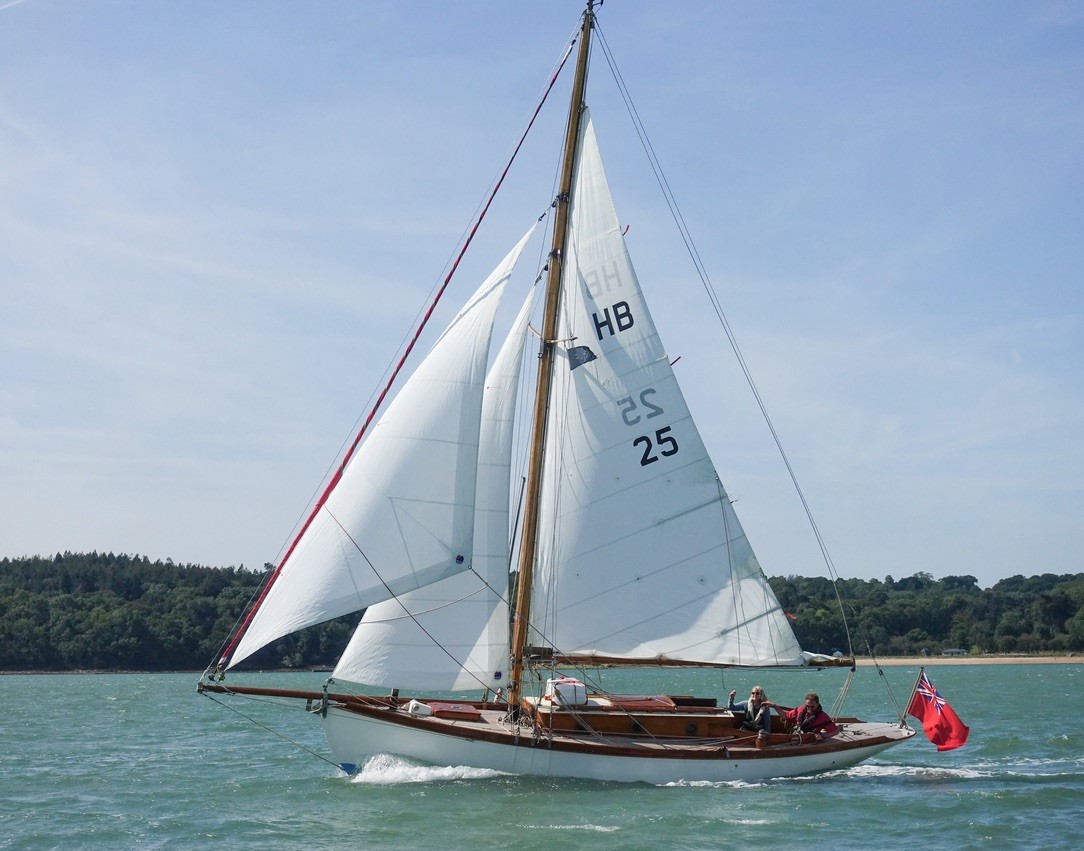
Vindilis.
Lynette (1937)
- 21 feet, 3 tons. Gaff rigged, inboard engine originally a petrol Stuart Turner, now a diesel Beta 14.
- Built at Eversons as a DYC racing cruiser.
- Owned by Dennis and Marvyn Godfrey for ~12 years, used for racing and cruising.
- Bought at Melton Boatyard, now at Woodbridge Boatyard and/or Melton Boatyard.
The youngest Deben Cherub.
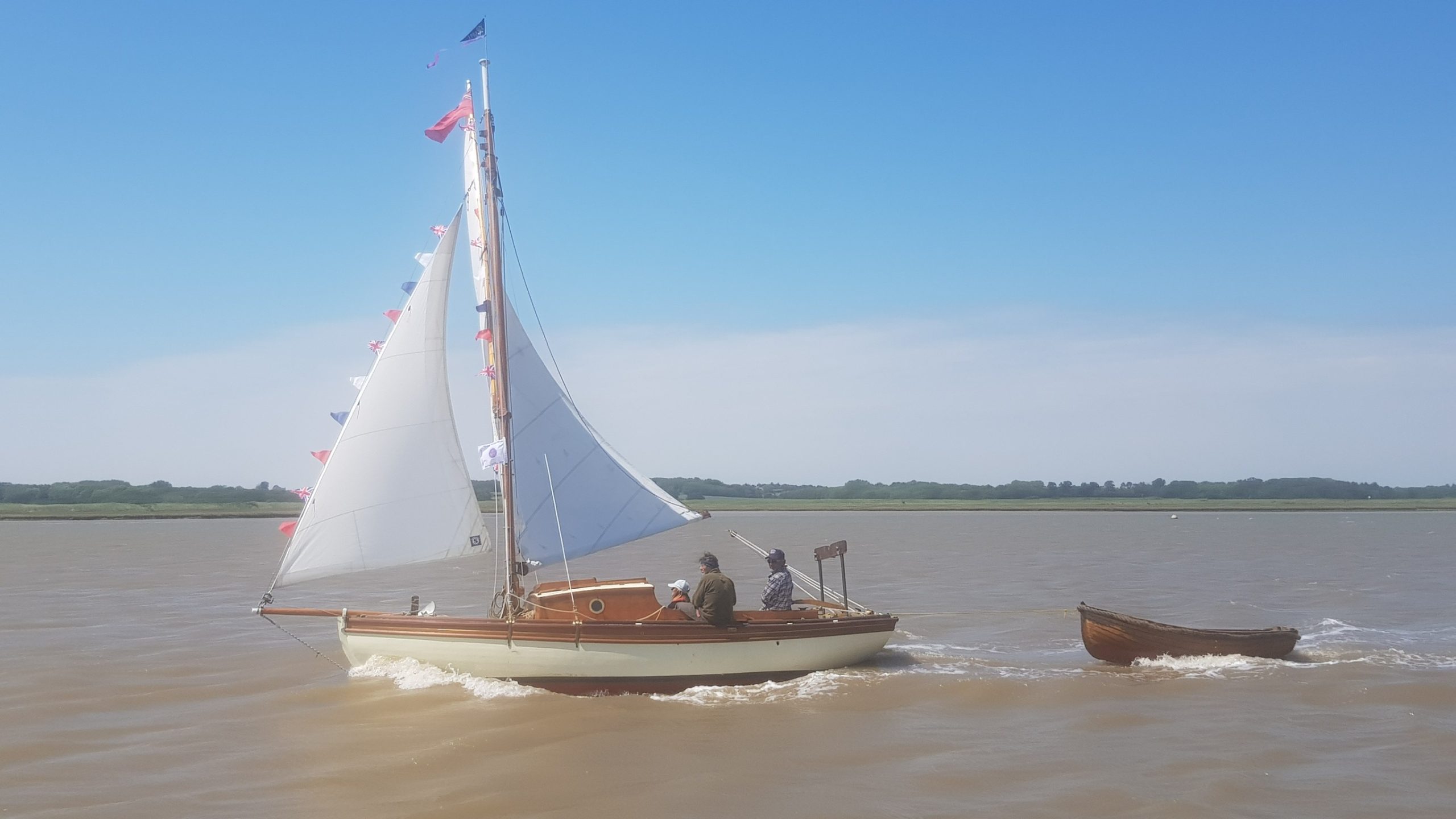
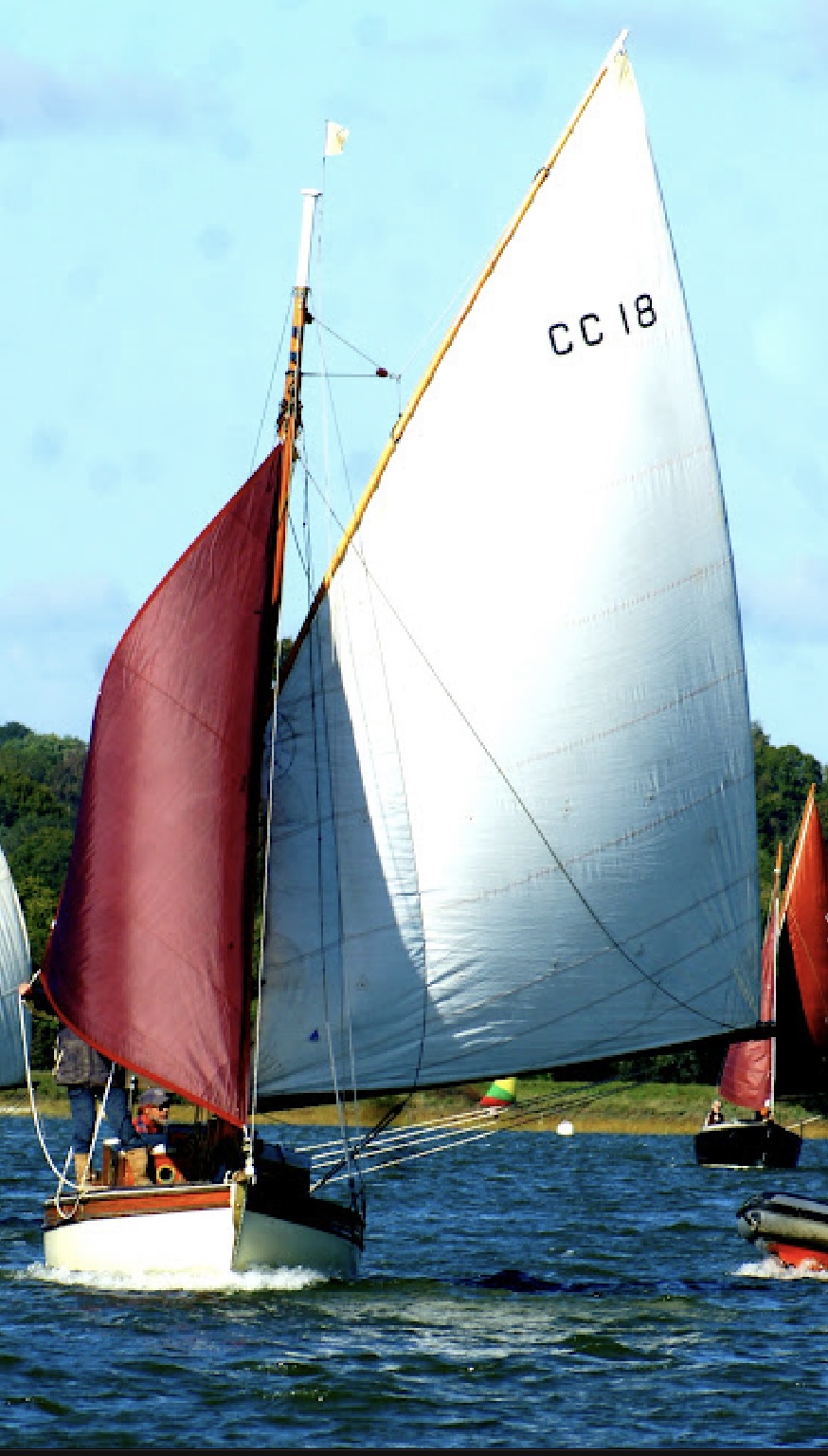
Lynette.
Sarah Ann Austin (1937)
- 35′, 6 tonnes. Originally sail and oars, now electric.
- Built in Cowes as an RNLI Liverpool class lifeboat (until 1961).
- Owned by Robertsons Boatyard for 4 years, used for private hire.
- Bought at Oulton Broad, now at Robertsons.
Sarah Ann Austin has also been known by two other names such as Fly by Night and Valhalla. She was in service at Blackpool lifeboat station from 1937 to 1961. During her service she saved 32 lives and was launched 47 times. She was built by Groves and Gutteridge in Cowes. Her naming ceremony was carried out by HRH the Duke of Kent in 1937. In 2022 her diesel engine was converted to an electric motor and she now runs river cruises from the quayside at Robertsons Boatyard.
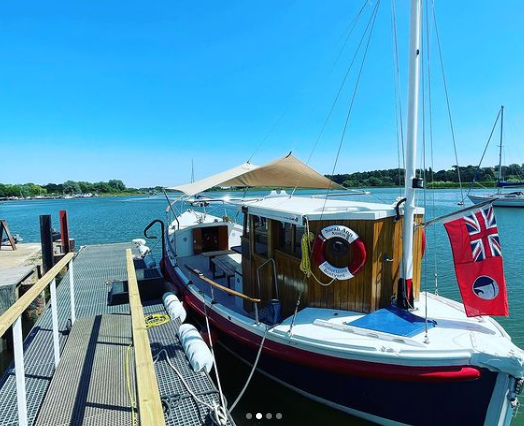
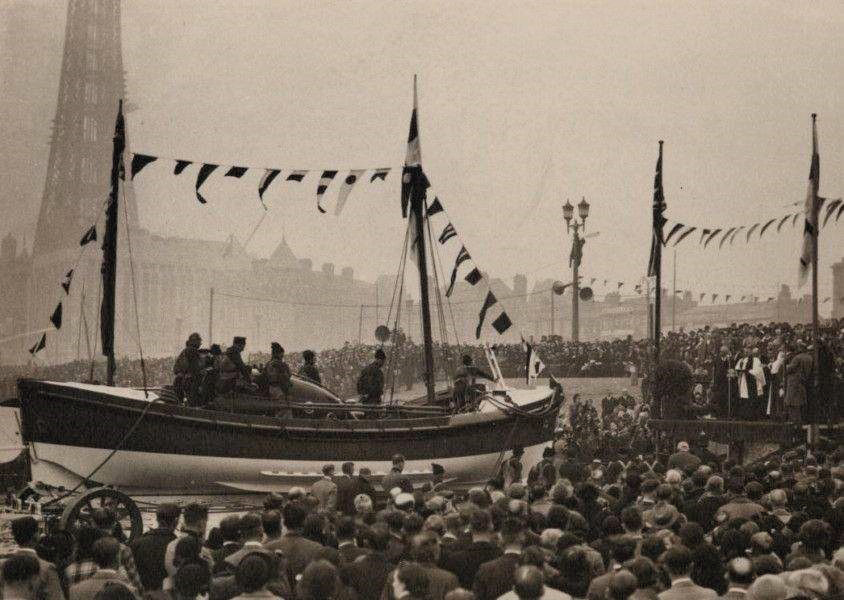
Sarah Ann Austin.
Black Cat (1938)
- 19.5′, 2.5 tons. Bermudian rig, and now a 2 stroke motor.
- Built at Eversons for pleasure.
- Owned by Douglas Atfield for 18 years, giving pain and pleasure.
- Bought at Eversons (where she winters), moored at Kyson. Has spent most of her 87 years on the Deben.
Her first owner, post-war, was Colonel Ian Howard Battye, who was also the first Chairman of the RDA.
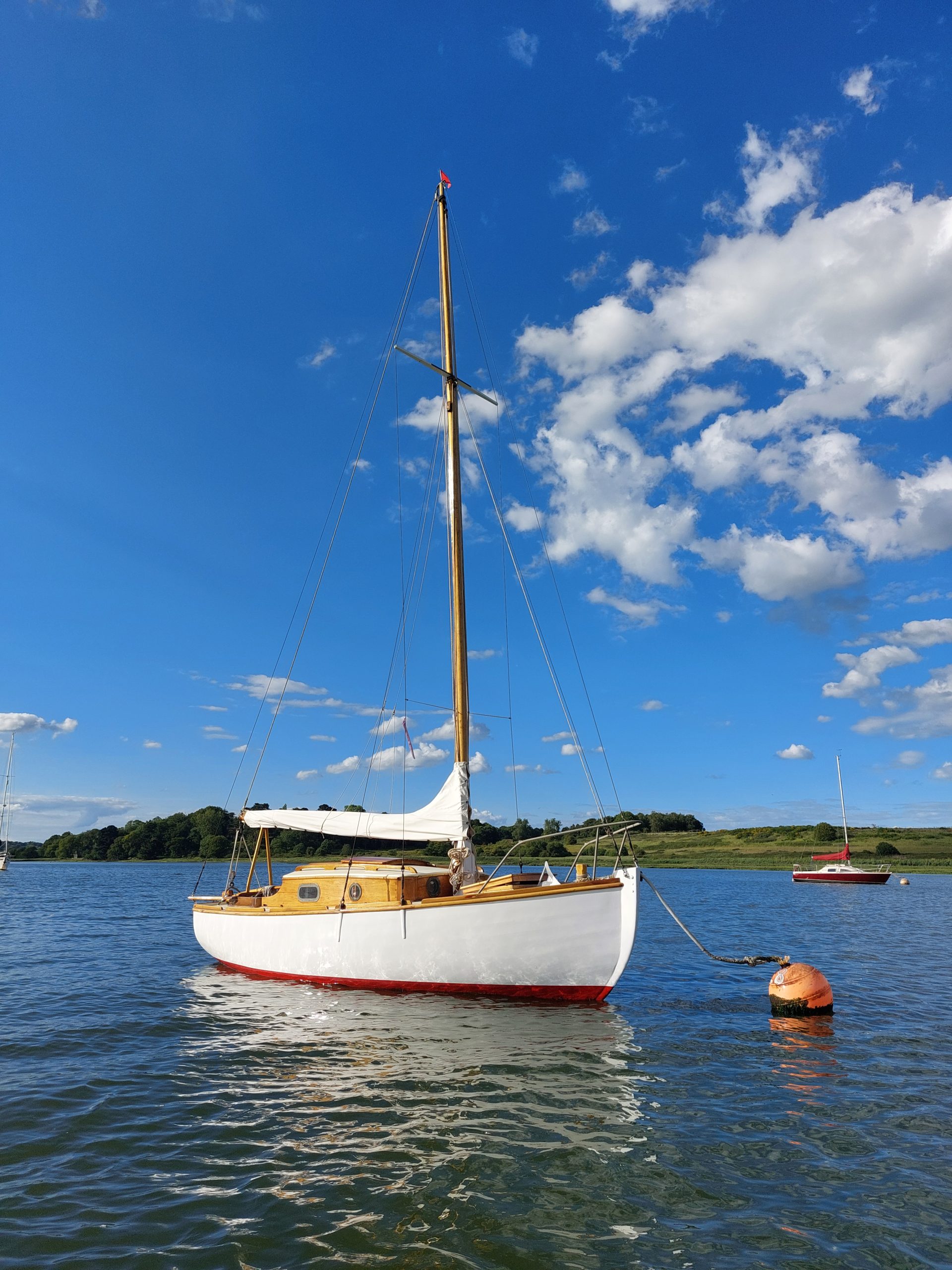
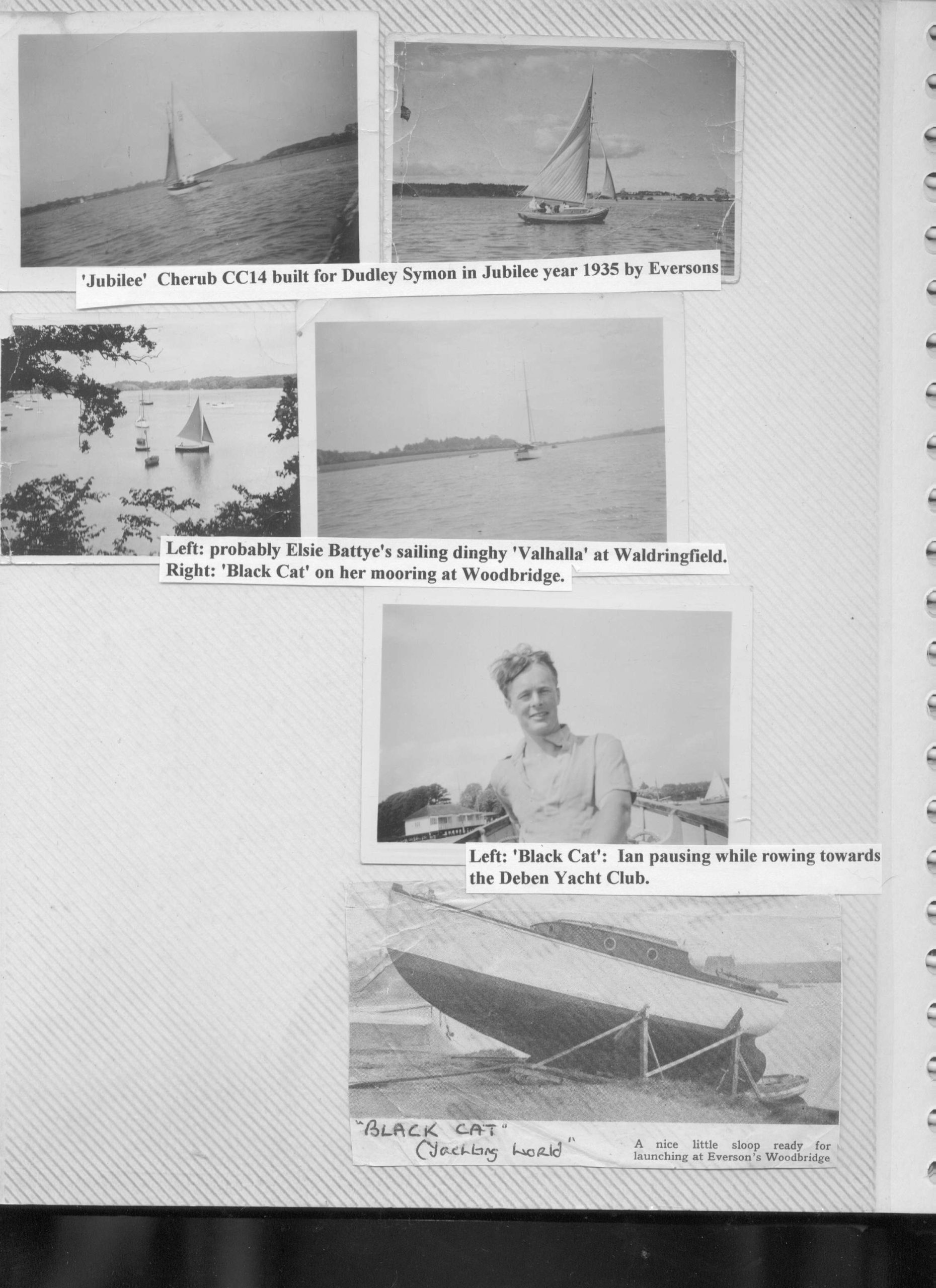
Black Cat.
Tommy Lee (1938)
- Owned by Stefan, currently for sale.
- On the National Historic Ships register.
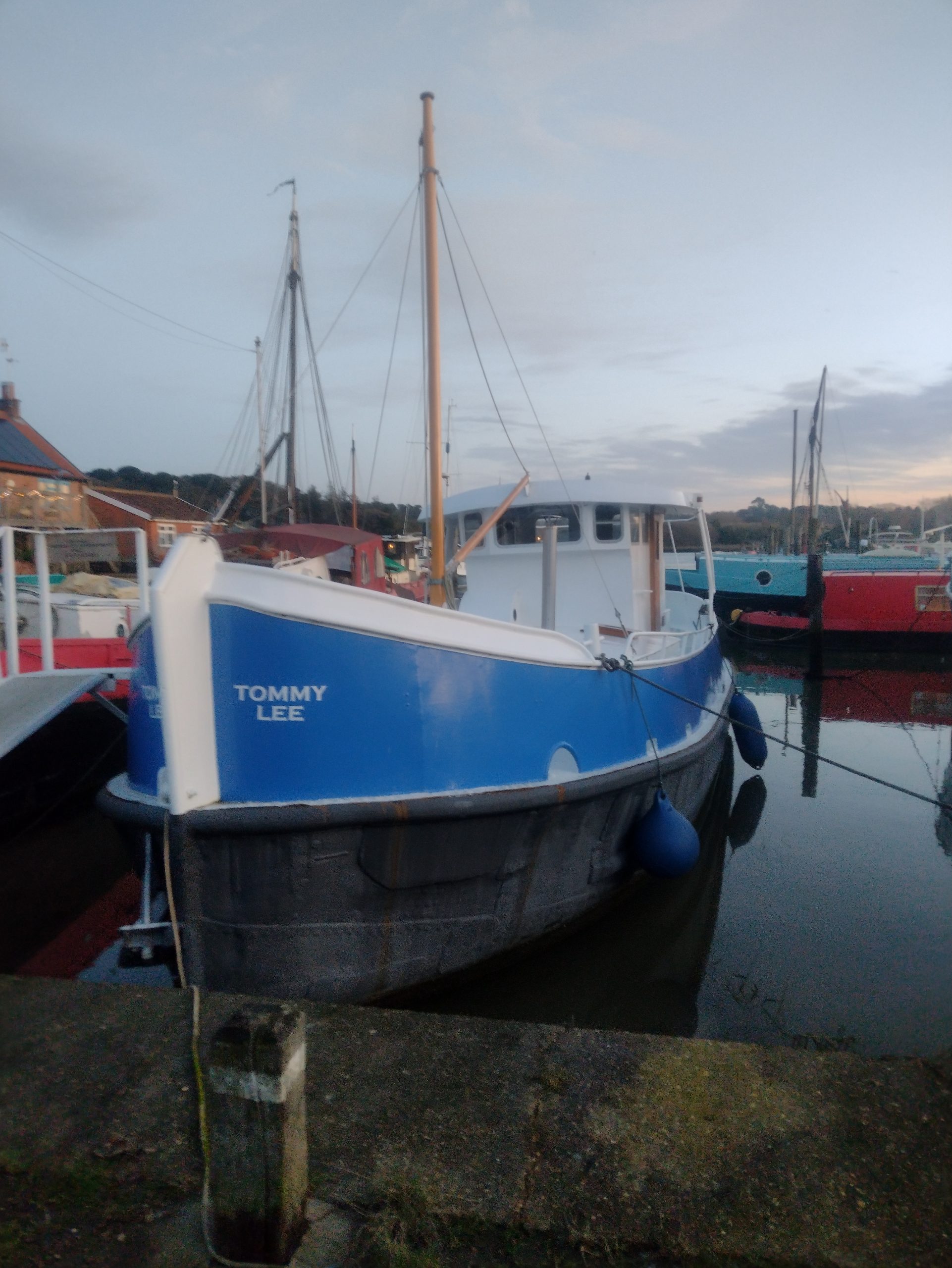
Tommy Lee.
Vassal (1938)
- 38.2′ length, 10.5′ beam, 4′ draft, 13 tons. 60bhp 2cyl Widdop diesel engine.
- Built by James Pollock, Sons & Co in Faversham as a tug.
- More info on ThamesTugs.co.uk.
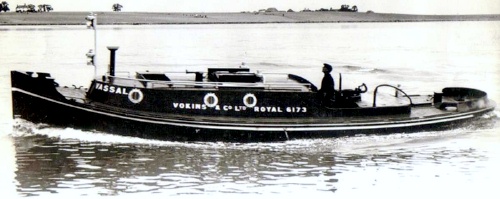
Vassal. [Credit: A Hughes colln]
Thalassa (1934-1939?)
- 15′. Aldeburgh One Design.
- Built at Everson’s.
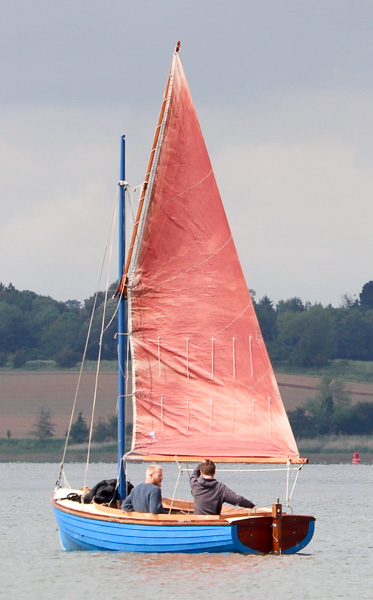
Thalassa. [Credit: Alexis Smith]
Blade (1939)
- 33′. Twin-engined motor yacht.
- Built in Goole, Yorkshire by Smith Bros.
- Owned by Roger Minns for a year and a half.
- Moored in the Tide Mill Yacht Harbour.
- On the National Historic Ships register.
Commissioned in 1937 by the then owner of the Sheffield hippodrome (hence ‘Blade’).
Her owner Roger says:
“We have a box of history going back to the original owners hand drawings specifying what he wanted.
She is in really good order having been well looked after over the years and we look forward to many more years of custodianship, cruising the east coat, its rivers and hopefully beyond at some stage.”
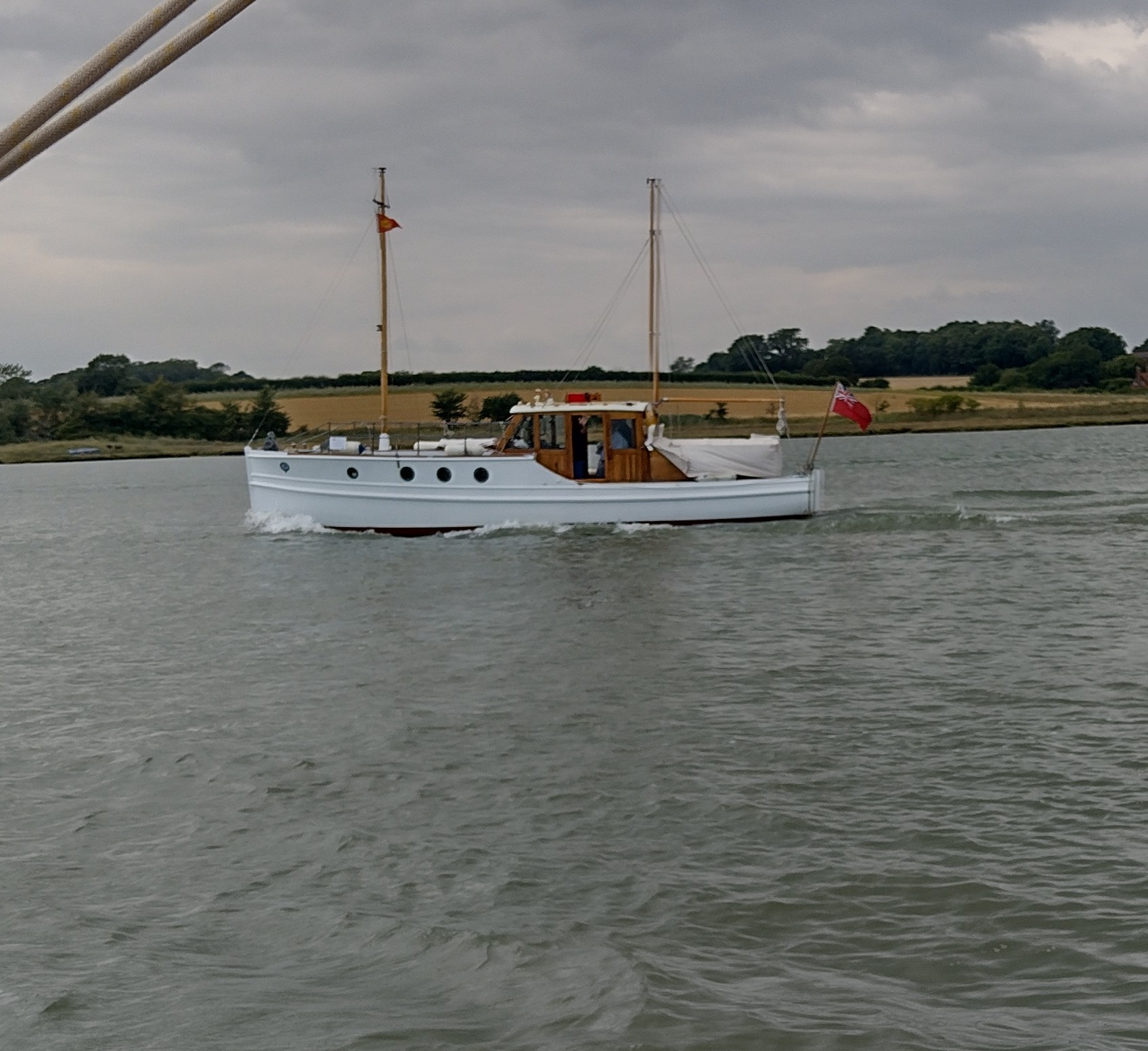
Blade.
Constancie (1930s)
- Built on the River Clyde?
- Converted to a houseboat.
- Previous owner was Roland Mann.
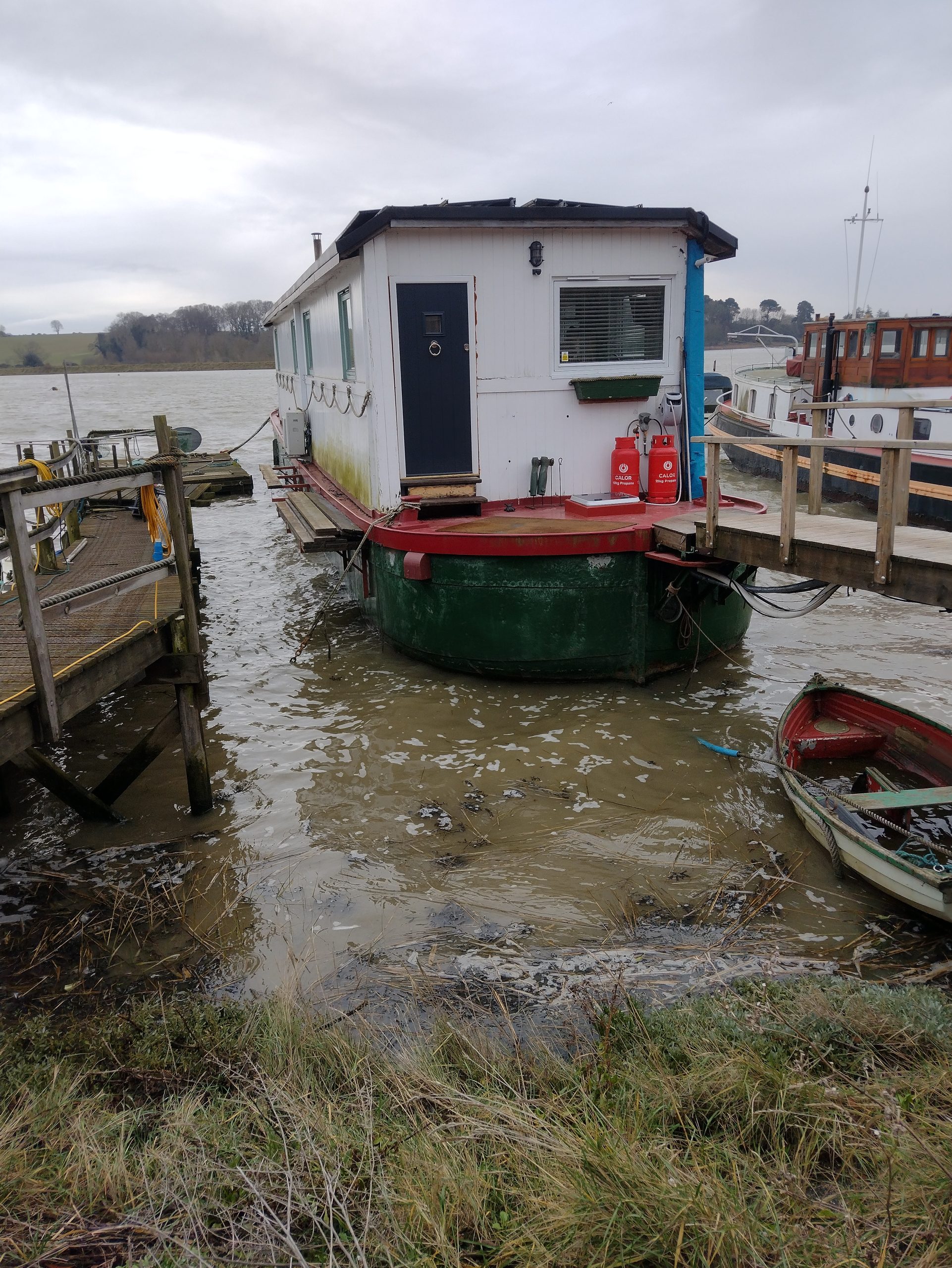
Constancie.
HSL 2605 (1942)
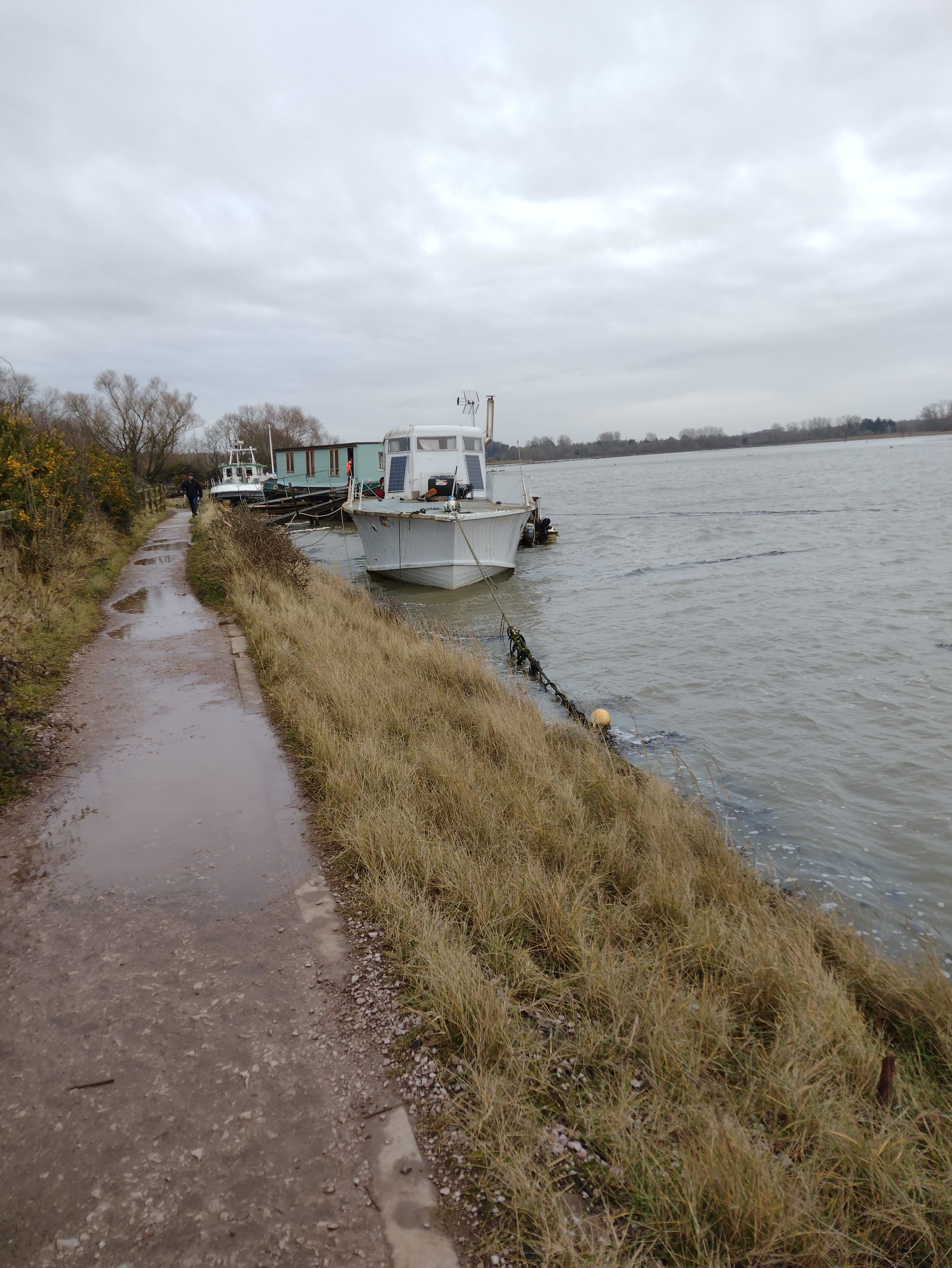
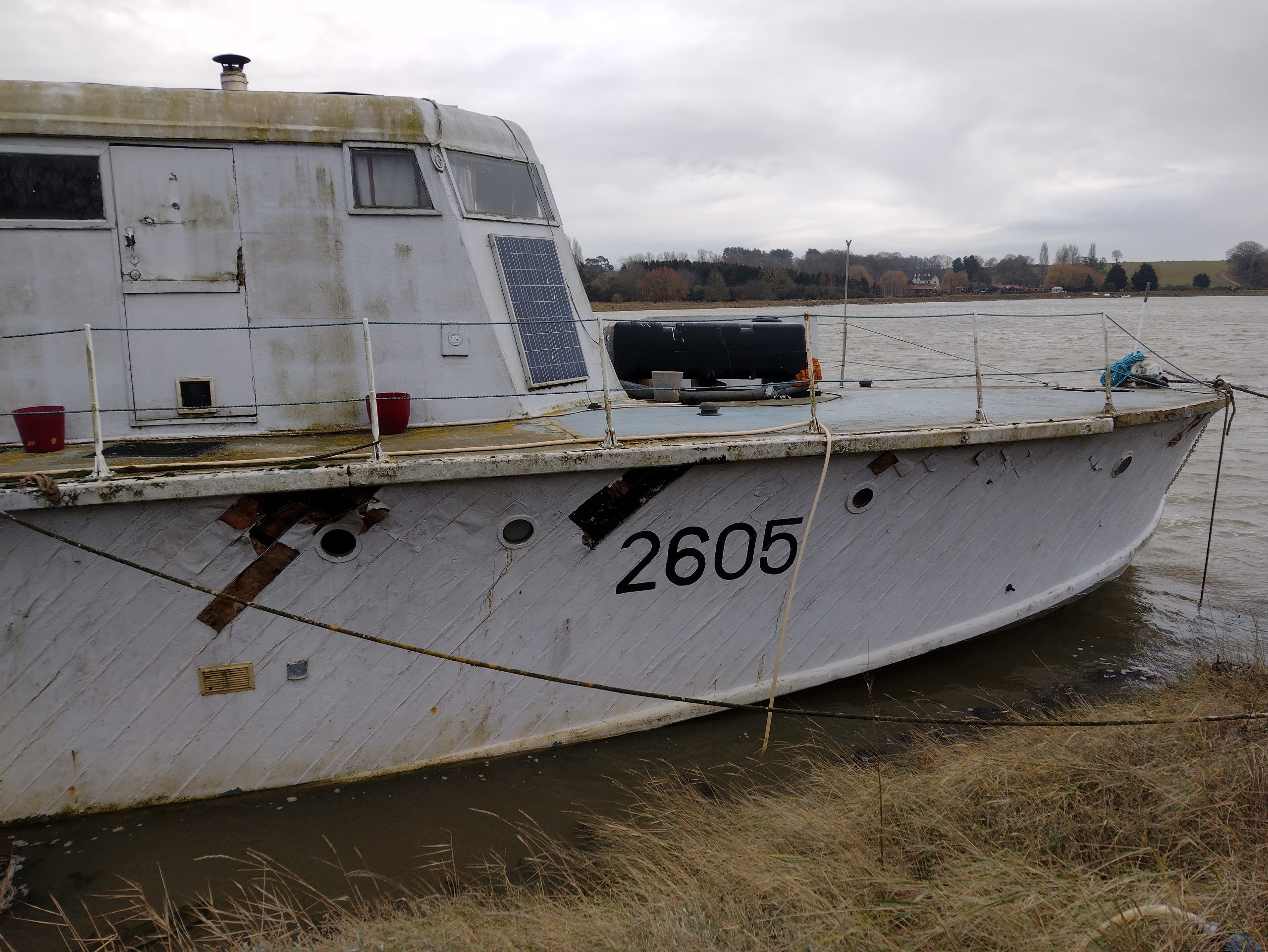
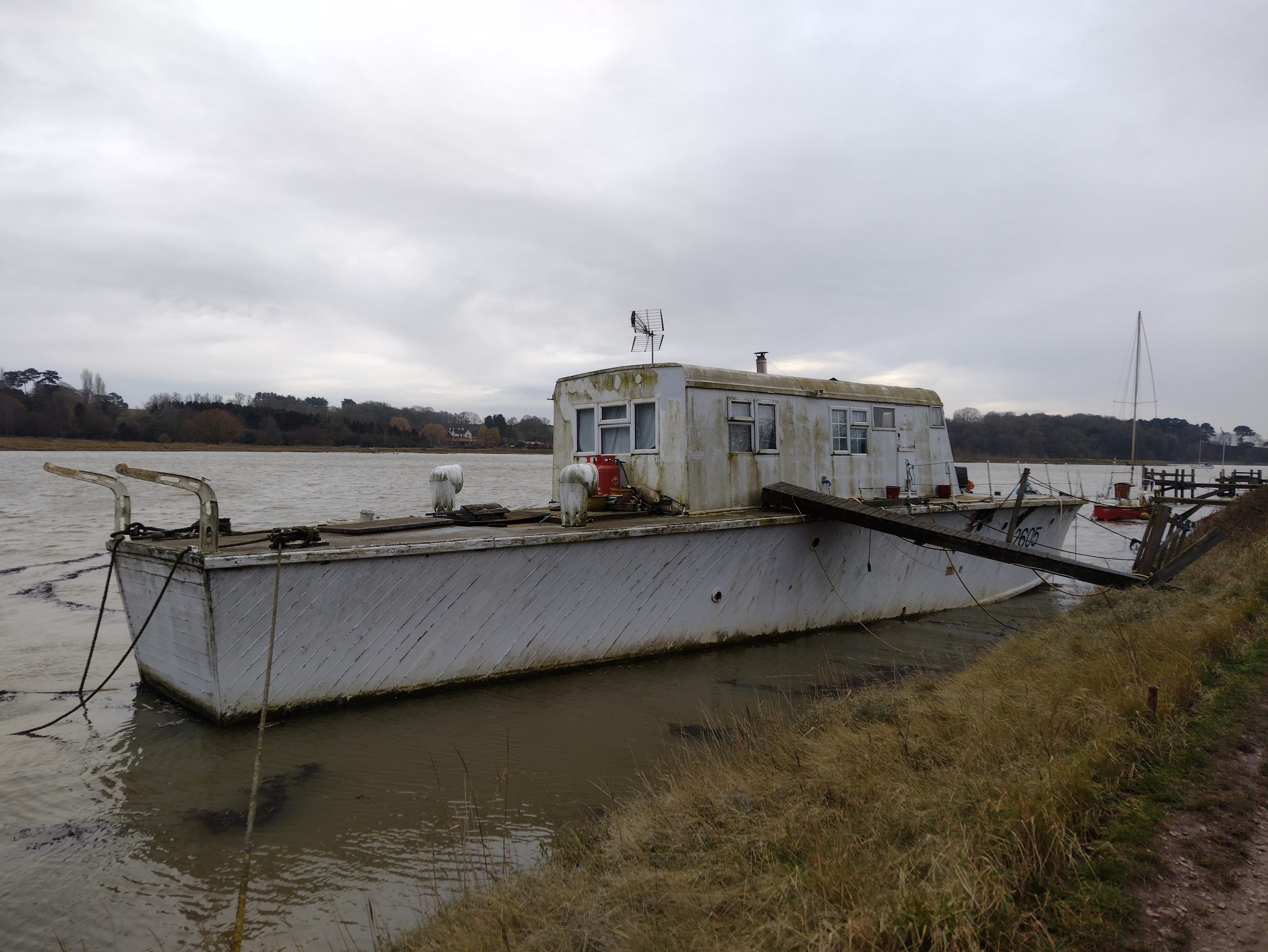
HSL 2605.
Montbretia (1942)
- Built for the Admiralty for surveying work in the North Sea.
- Owned by Grant Crawshaw.
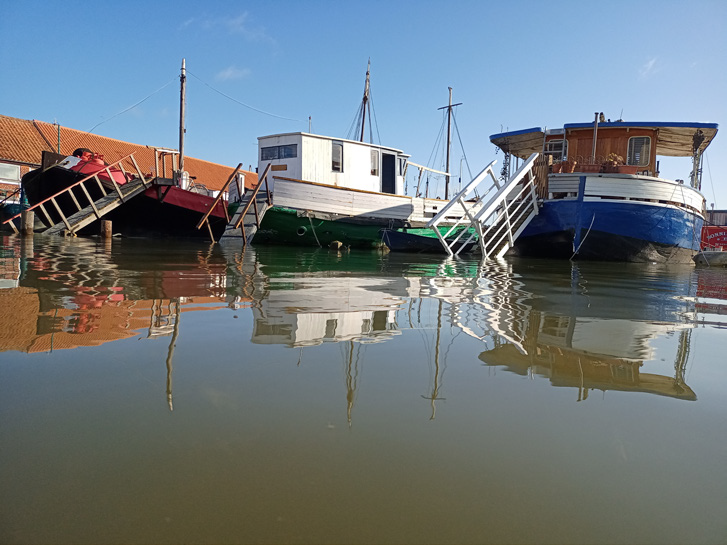
Montbretia (right).
Peter Duck (1946)
- 28′ length, 9’6″ beam, 3’6″ draught, 8 tons. Motor sailer ketch.
- Built at King’s in Pin Mill on the River Orwell as a pleasure yacht.
- Owned by Julia Jones and Francis Wheen for 25 years, used as a pleasure yacht.
- Bought in Woodbridge, now moored at Kyson (April-November) and laid up at Woodbridge Boatyard.
Initially built for author Arthur Ransome and kept on River Orwell. Came to Deben 1957, owned by June and George Jones. Sold 1984 after George’s death but remained on Deben except for period approx 1996-1998 when in St Petersburg.
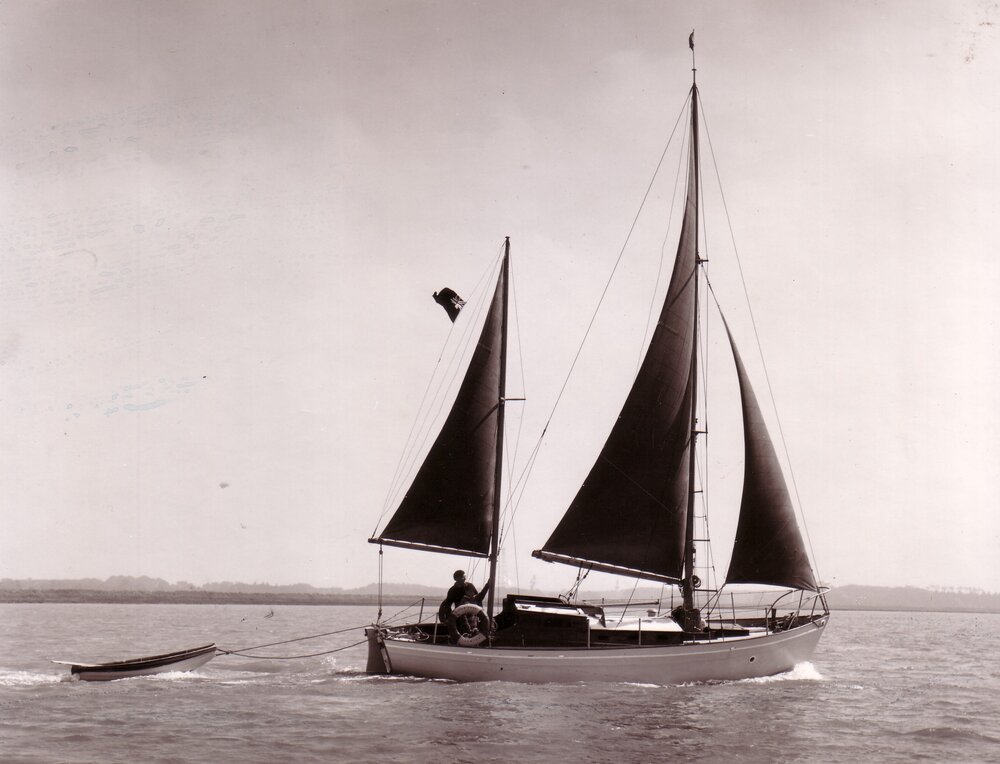
Peter Duck.
Cariad (1948)
- 12 feet. Sails and oars.
- Built at Eversons.
- Owned by Robert Brinkley, used for pleasure.
- Lives at Felixstowe Ferry, and is sailed all year round (weather permitting).
“Built for use on the Alde/Ore and passed down through the family, until coming into my ownership.
The mast and spars were second hand at the time of building and are still in good condition, I also have the original cotton sail.”
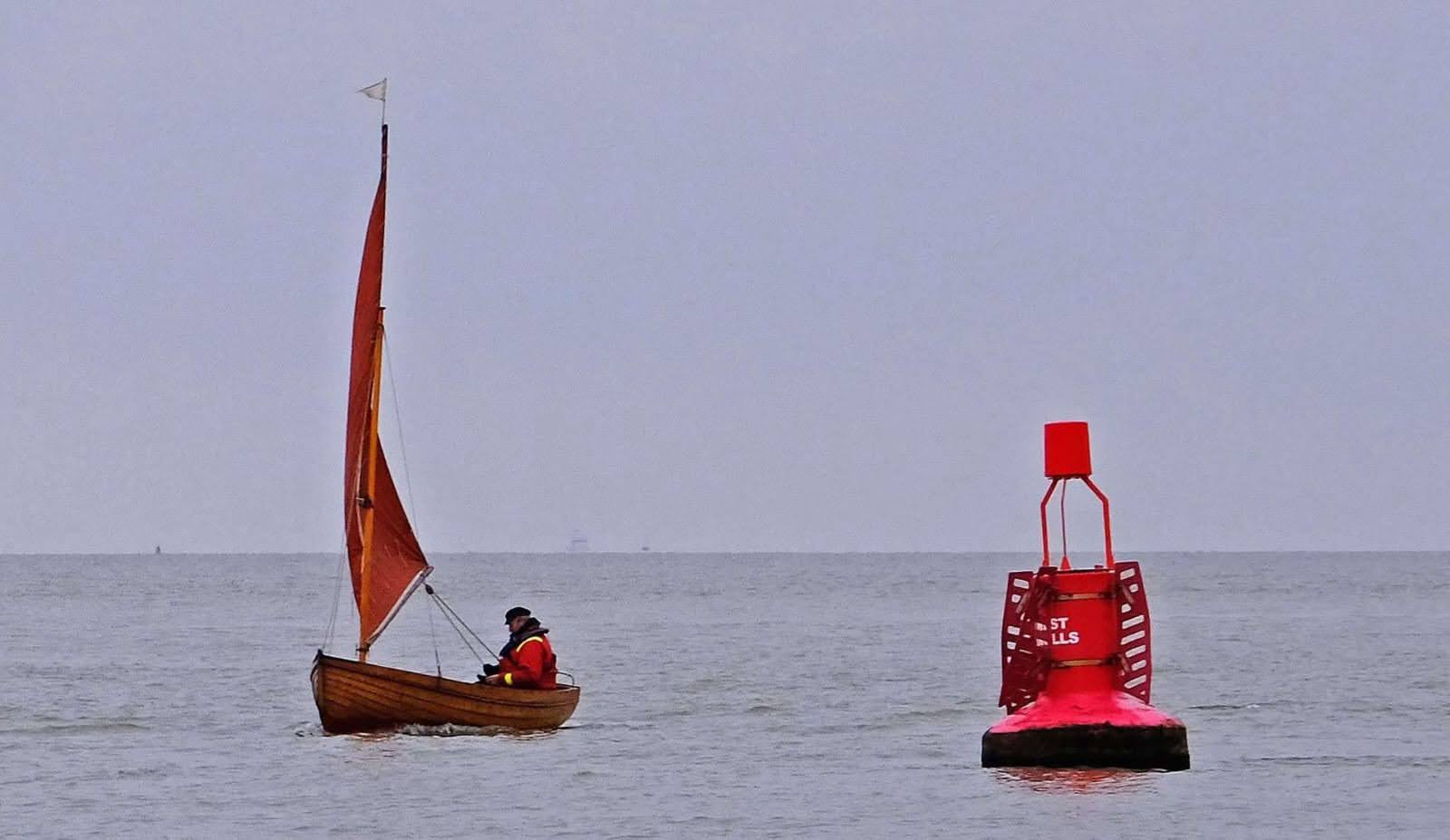
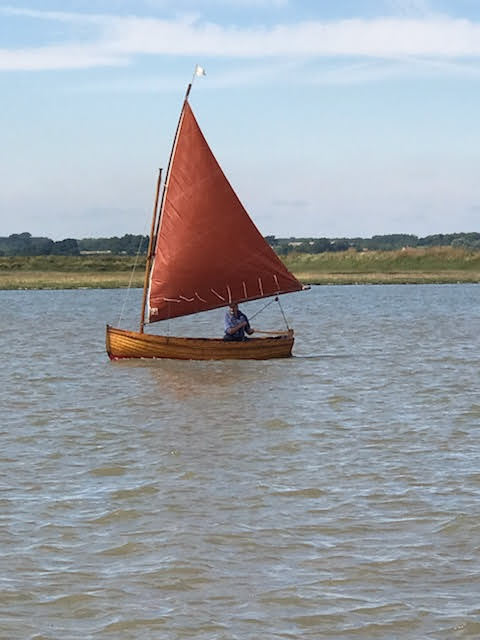
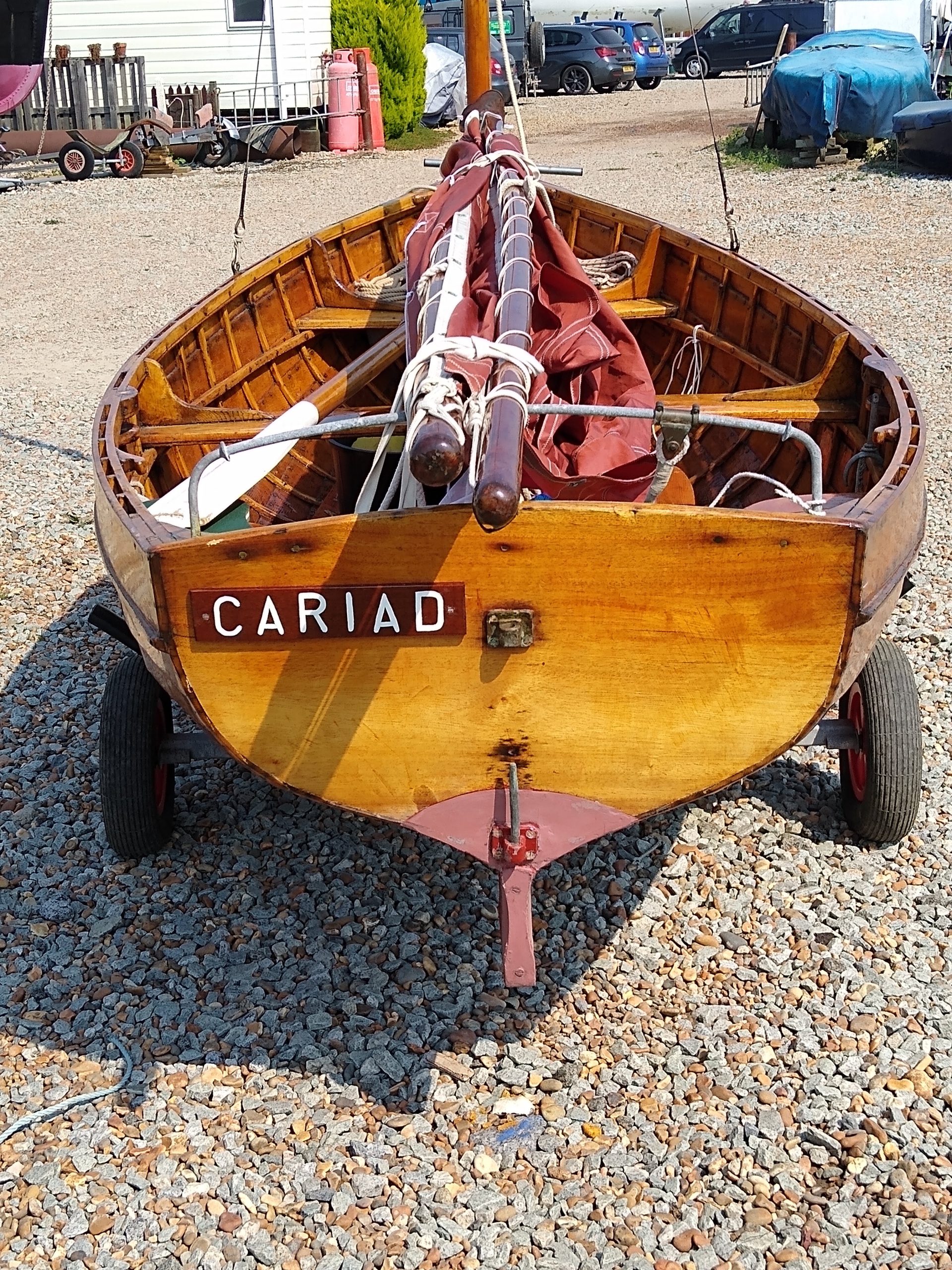
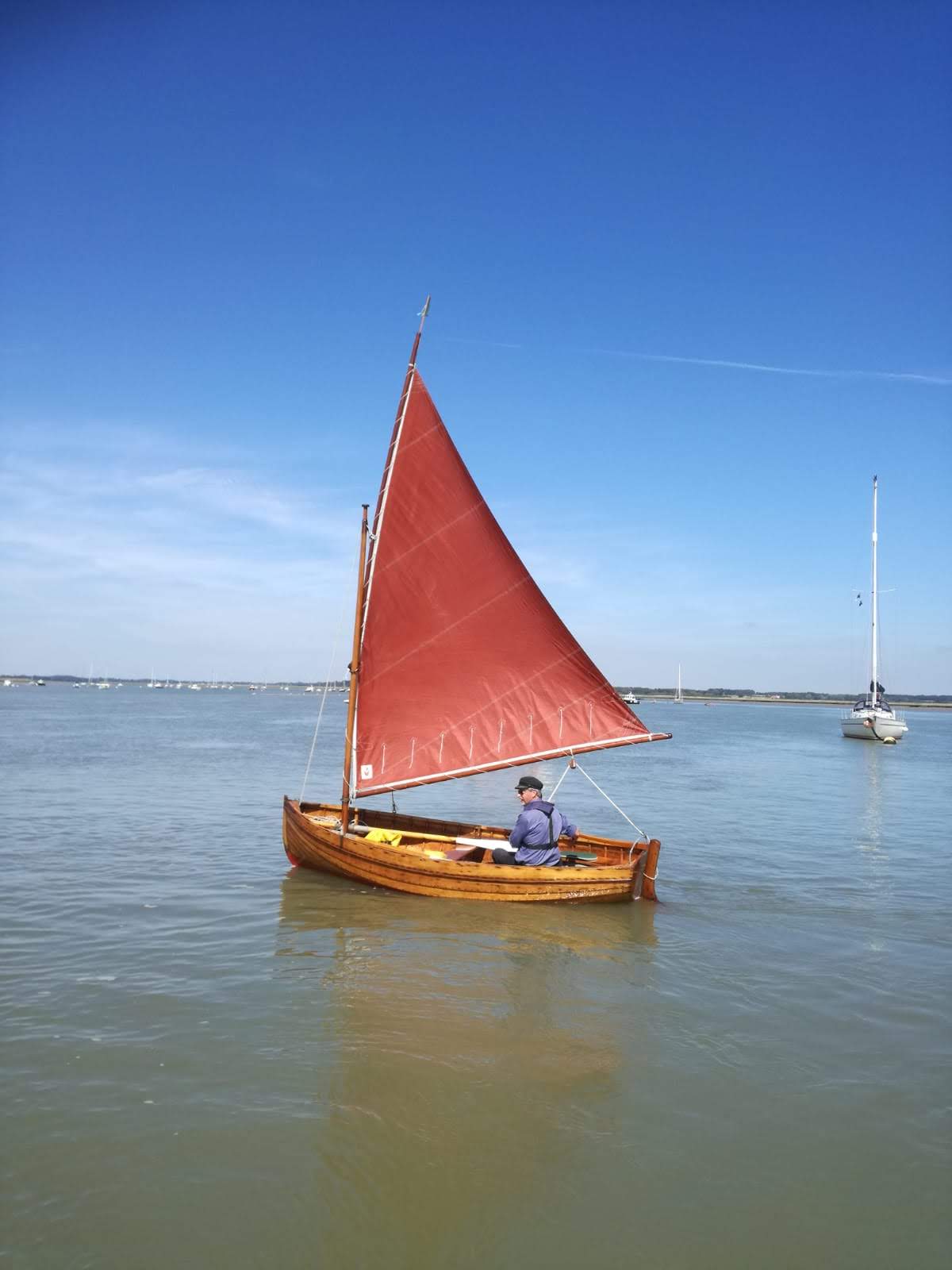
Cariad.
Bess (1949)
- 14′.
- Built at Eversons.
- Owned by Woodbridge Boatyard.
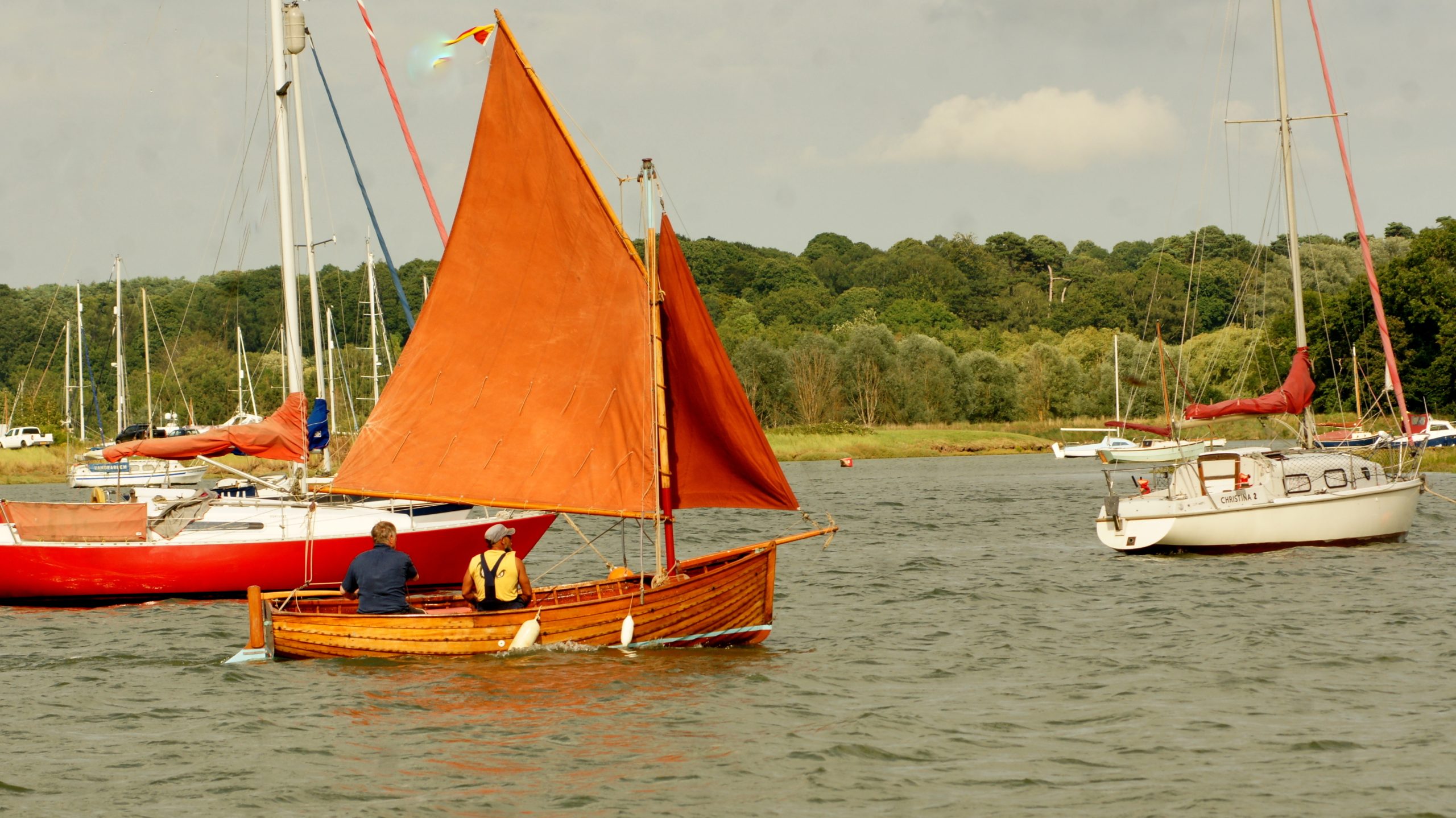
Bess.
Hobby (1949)
- 11′.
- Built at Eversons.
- Owned by Matt Lis.
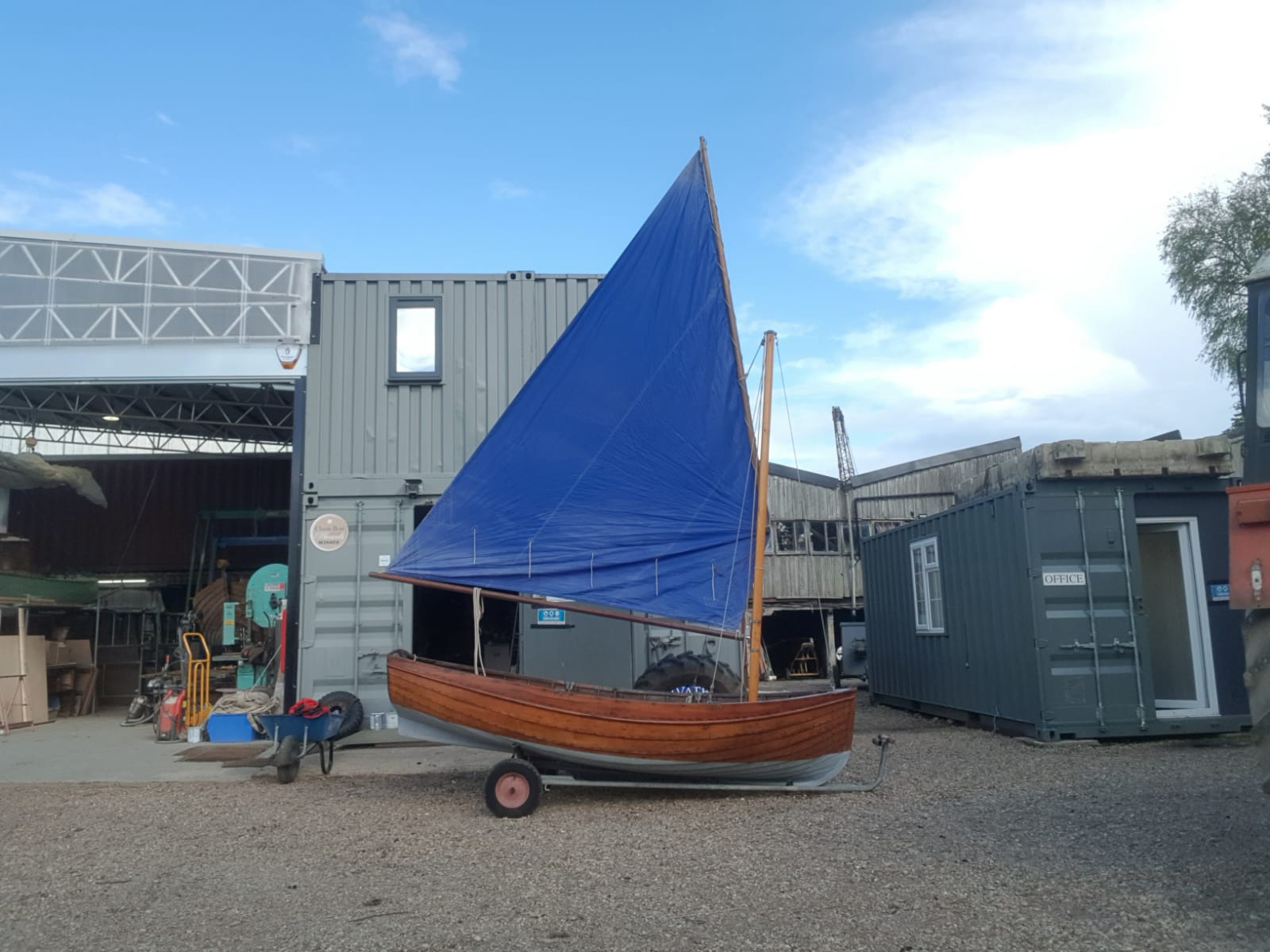
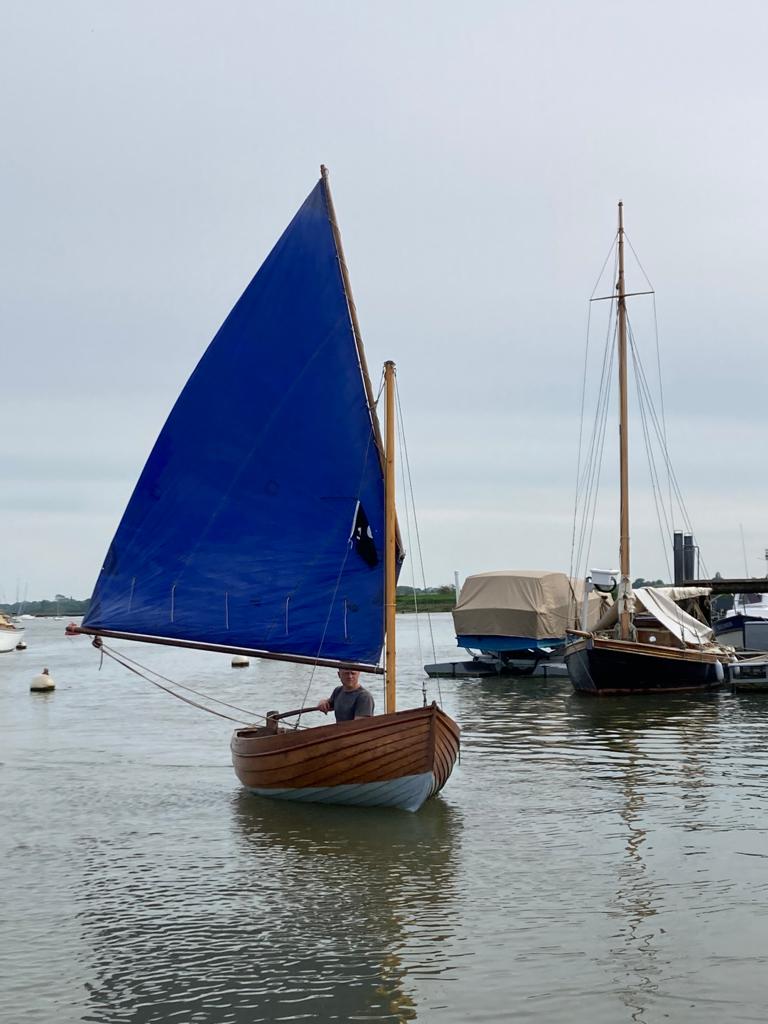
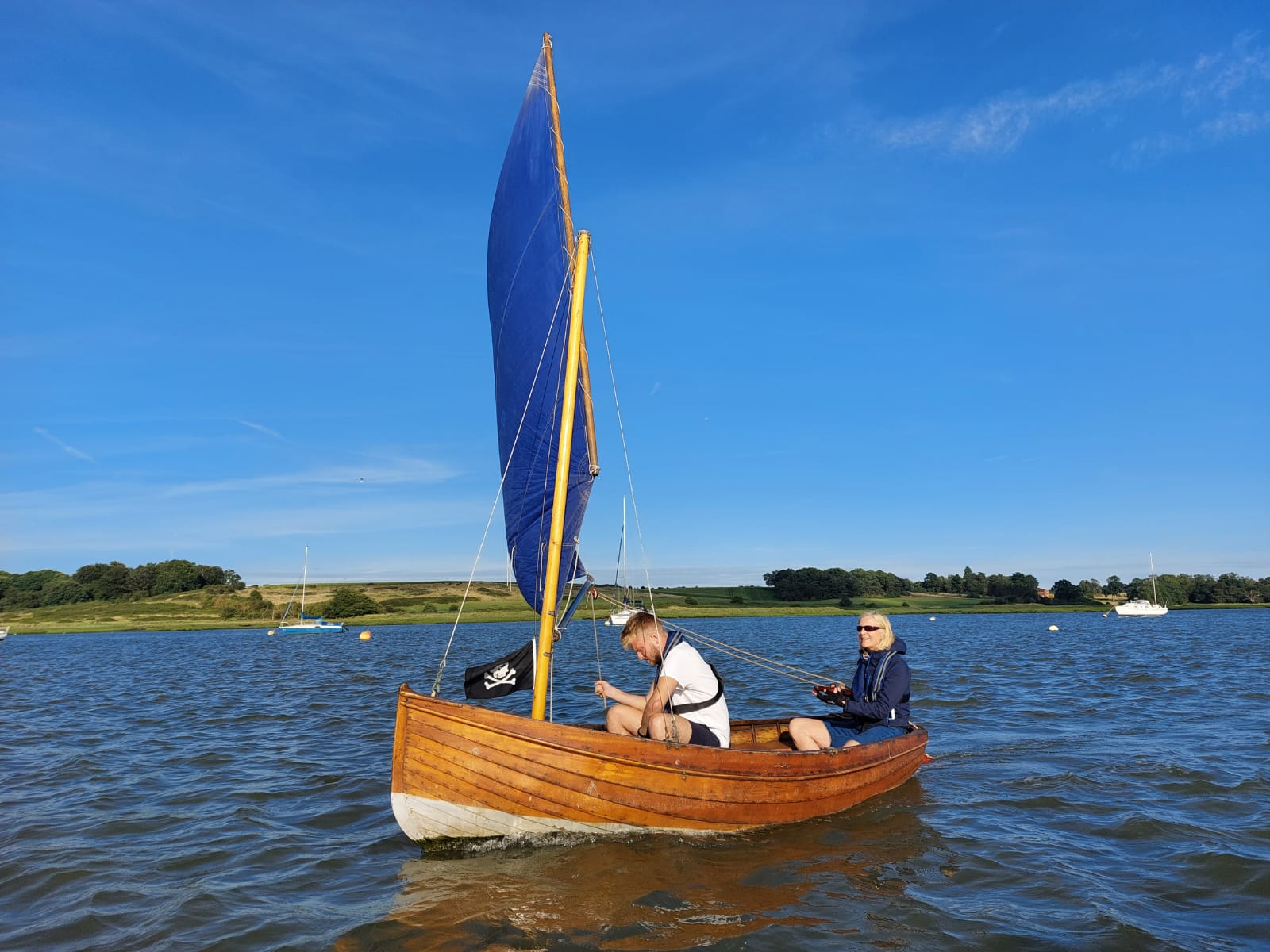
Hobby.
Imogen (1949)
- 14 feet, 291 lbs. Dragonfly no 4.
- Built at Nunn Bros, Waldringfield for one design racing and day sailing.
- Owned by Richard Smithson for 22 years, used for racing and pleasure sailing.
- Lives at Waldringfield.
Previous names Temper and Trent 2. Previous owners: Paul King (1949), Leo Upton (1967), RW Tattersall (1976), Peter Maddison (1980), Philip A Peg (1994, 1997). Major restoration undertaken by Richard Smithson in 2022: ‘She was in a terrible state with her keel pushed right up into the center of the boat. I restored this boat by myself and basically only the planks are original and even some of them are new. This project took me a year but I was retired, working on it nearly every day.’
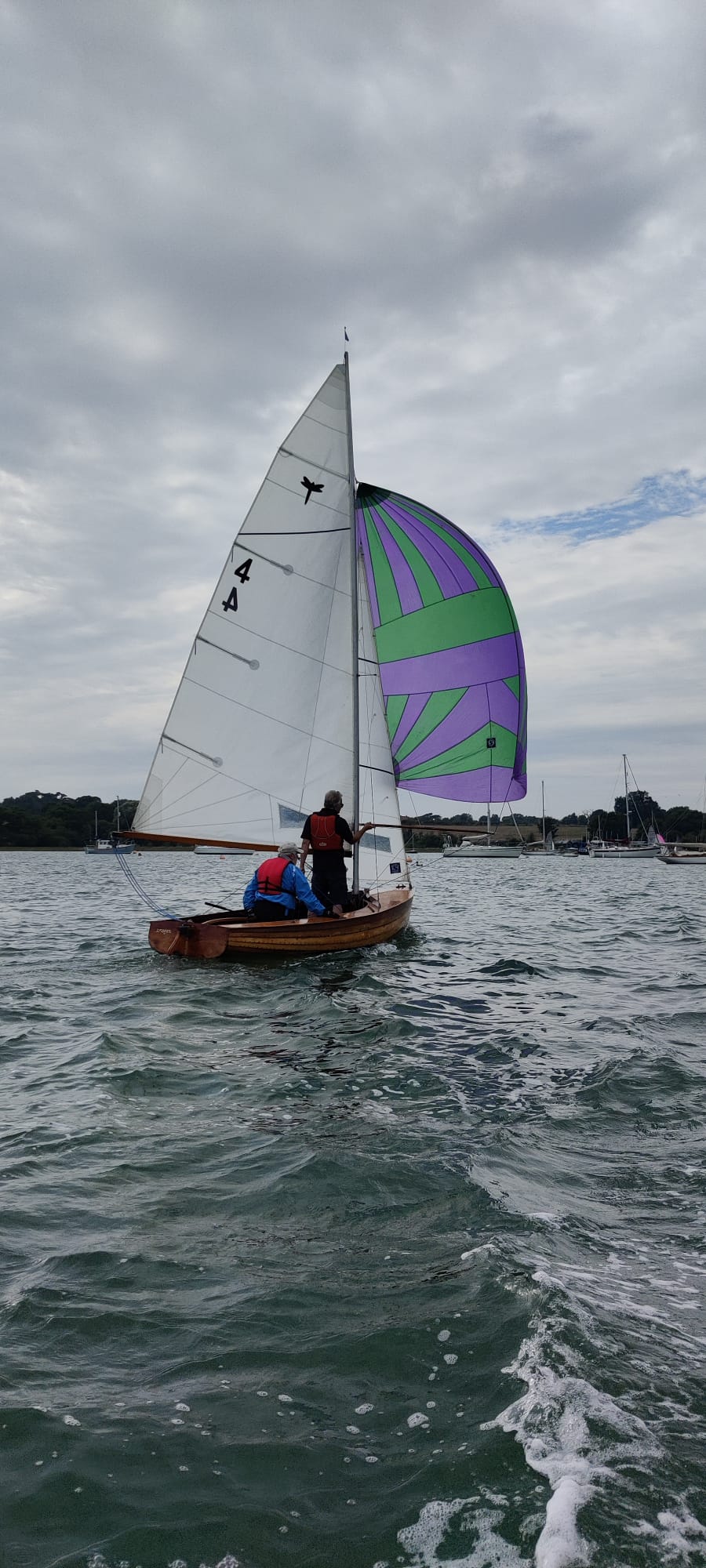
Imogen.
Lasher (1949)
- 120 feet, 300 tons. Dumb barge.
- Built for general cargo.
- Owned by Woodbridge Boatyard for 5 years, used as a floating workshop.
- Bought on the River Thames, now moored at Woodbridge Boatyard.
Used by Tate & Lyle for transporting sugar on the Thames. Used by Trinity Buoy Wharf 2000-2020 as a pier. Towed to Woodbridge Boatyard in 2020 where she is used as a floating workshop for the maintenance of large vessels.
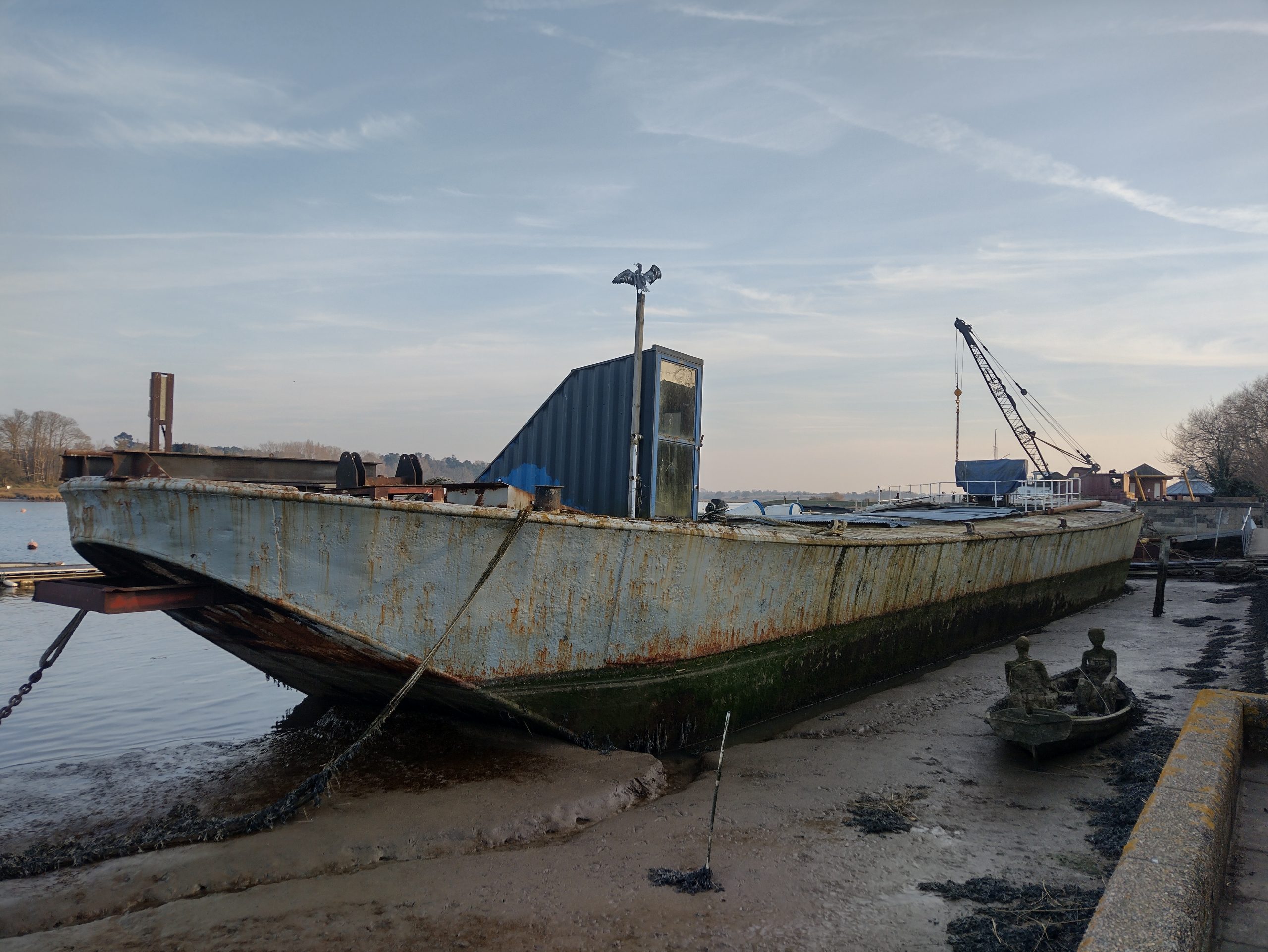
Lasher.
Leo (1949)
- 14 feet, 311 lbs. Dragonfly no 9.
- Built at Nunn Brothers, Waldringfield for one design racing and day sailing.
- Owned by Robert Bellfield since 2021, used for racing and pleasure sailing.
- Lives at Waldringfield.
Original name Oriel. Previous owners: Jack Hoylans (1949), David Mace (1971), RN Squirrel (1976), P Bellfield (1982 & 1983), Lee Douglas (1993), Chris Baker (1993), John Palmer (2008), Peter Blythe (2013). Restored 2009.
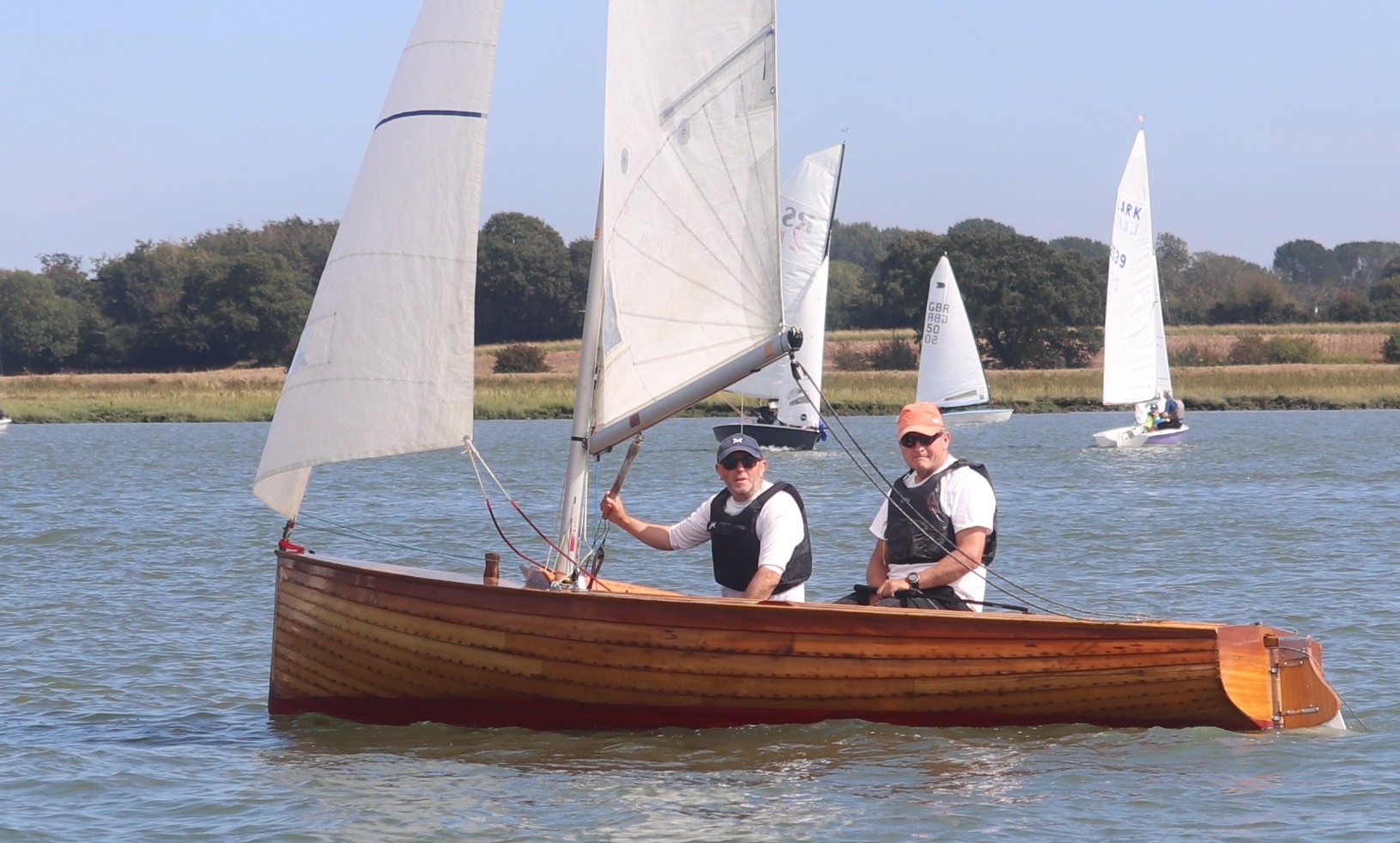
Leo.
Maid of Veryan (1949)
- Deben 4-tonner.
- For more details, see this Facebook post from Woodbridge and Waldringfield Boatyards.
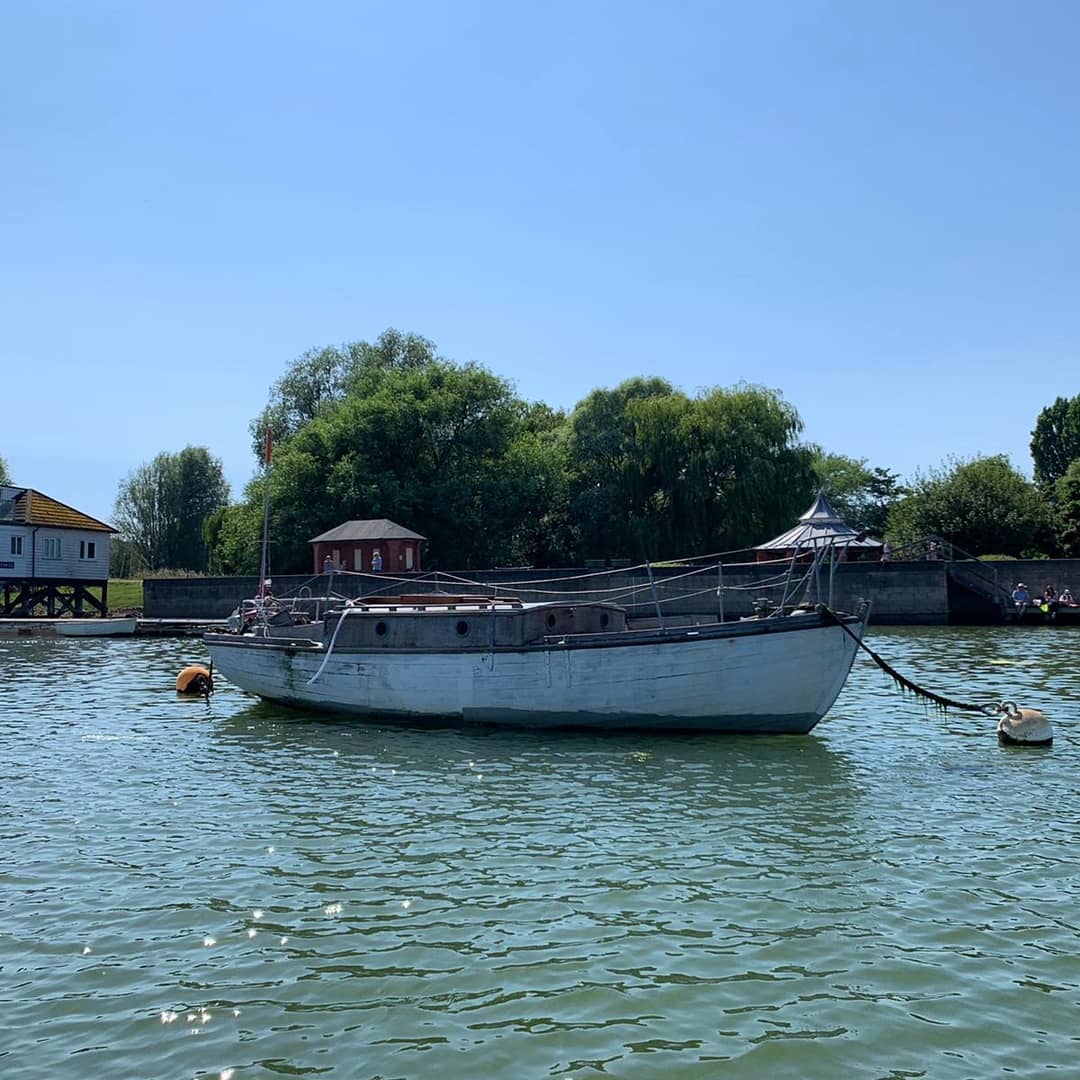
Maid of Veryan. [Credit: Woodbridge and Waldringfield Boatyards]
Pink Djinn (1949)
- 14 feet, 321 lbs. Dragonfly no 10.
- Built at Nunn Brothers, Waldringfield for one design racing and day sailing.
- Owned by Richard Smithson for 19 years, used for racing and pleasure sailing.
- Lives at Waldringfield.
Original name Windrush. Previous owners: D Thompson (1949), John Buck (1967), CRC Bradbury (1976), G Reeve (1982), Michael Hearn (1983), Ron Josslyn (1999), Garry Newton (2006). Restored 2015 by Richard Smithson: ‘A total rebuild with every plank removed and the boat totally re riveted. The only original part again are the planks. This project took me ten years as I only had evenings as I was then still working.’
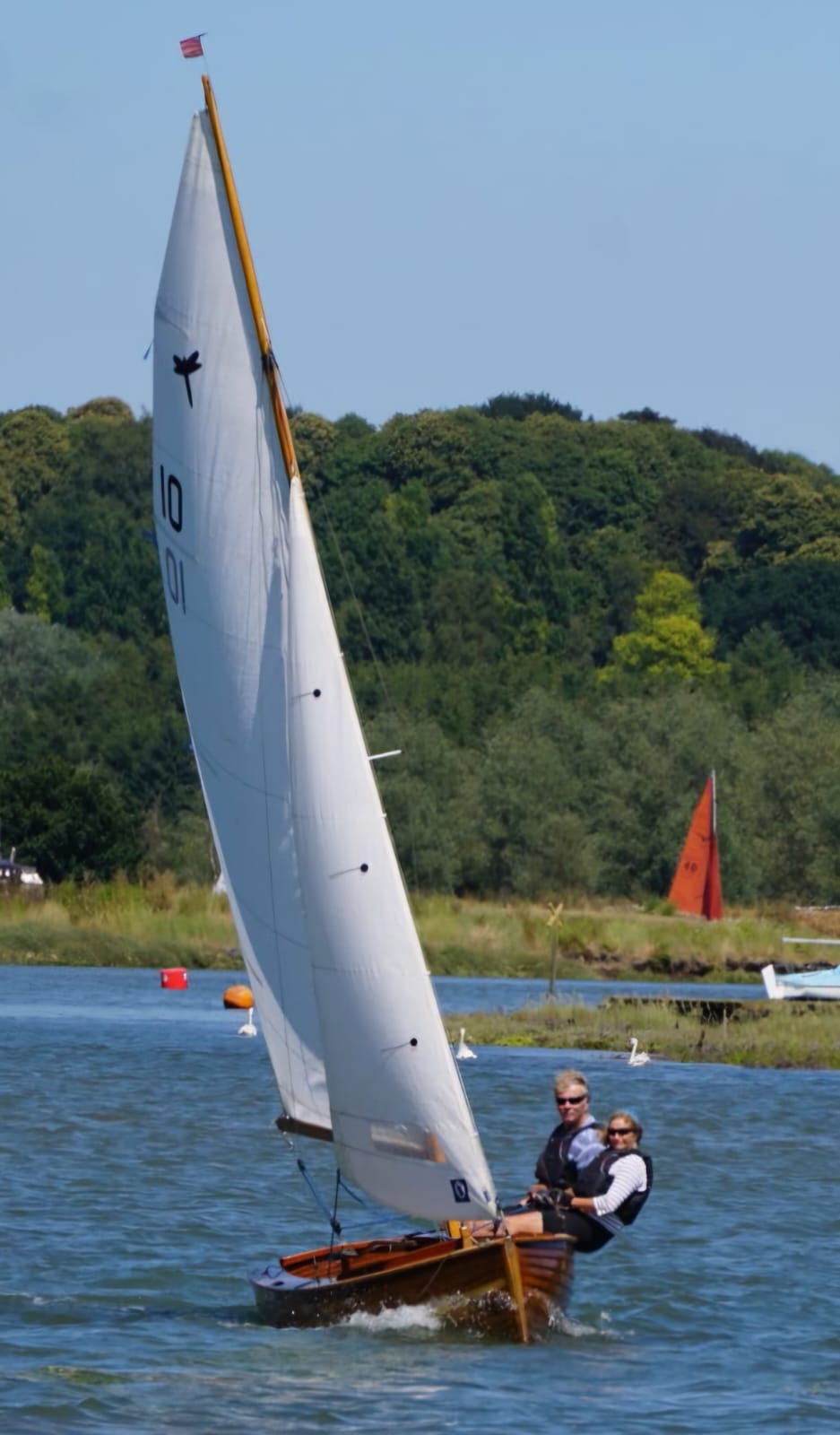
Pink Djinn.
Sasha (1949)
- Built at Everson’s.
Seafarer (1949)
- 54 feet. Engine now decommissioned.
- Built as a fishing trawler.
- Owned for 9 months, used as a houseboat.
- Bought from a good friend, moored at the Ferry Quay.
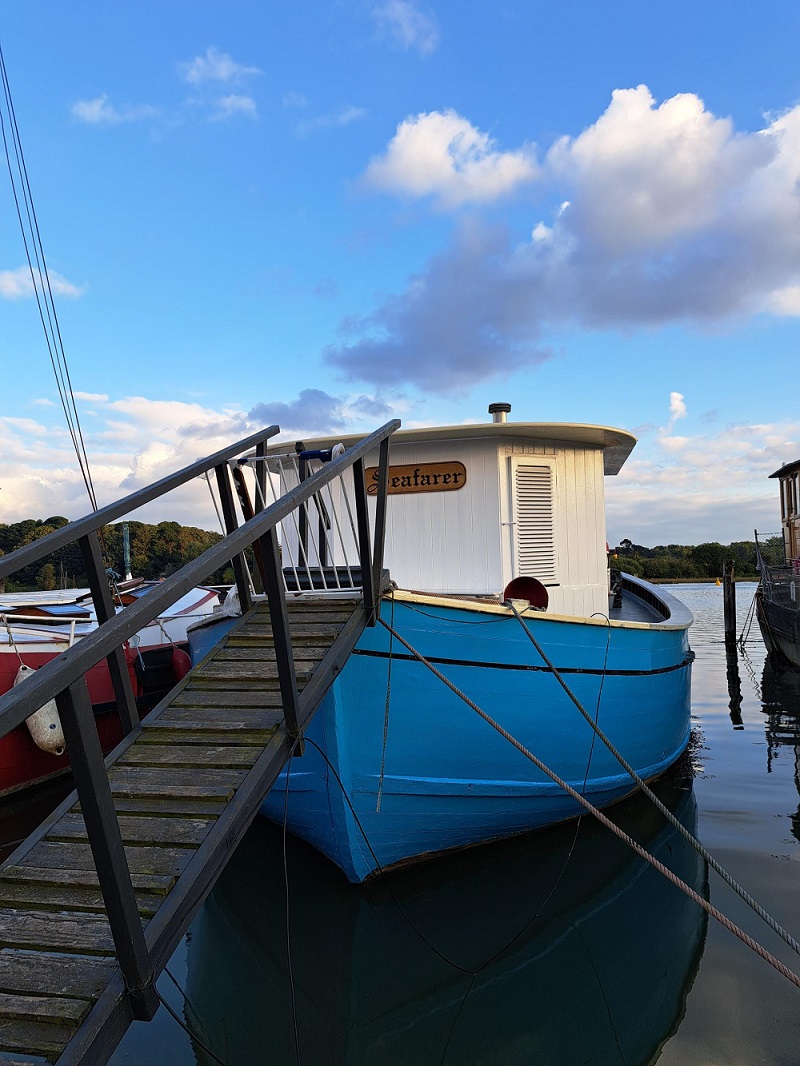
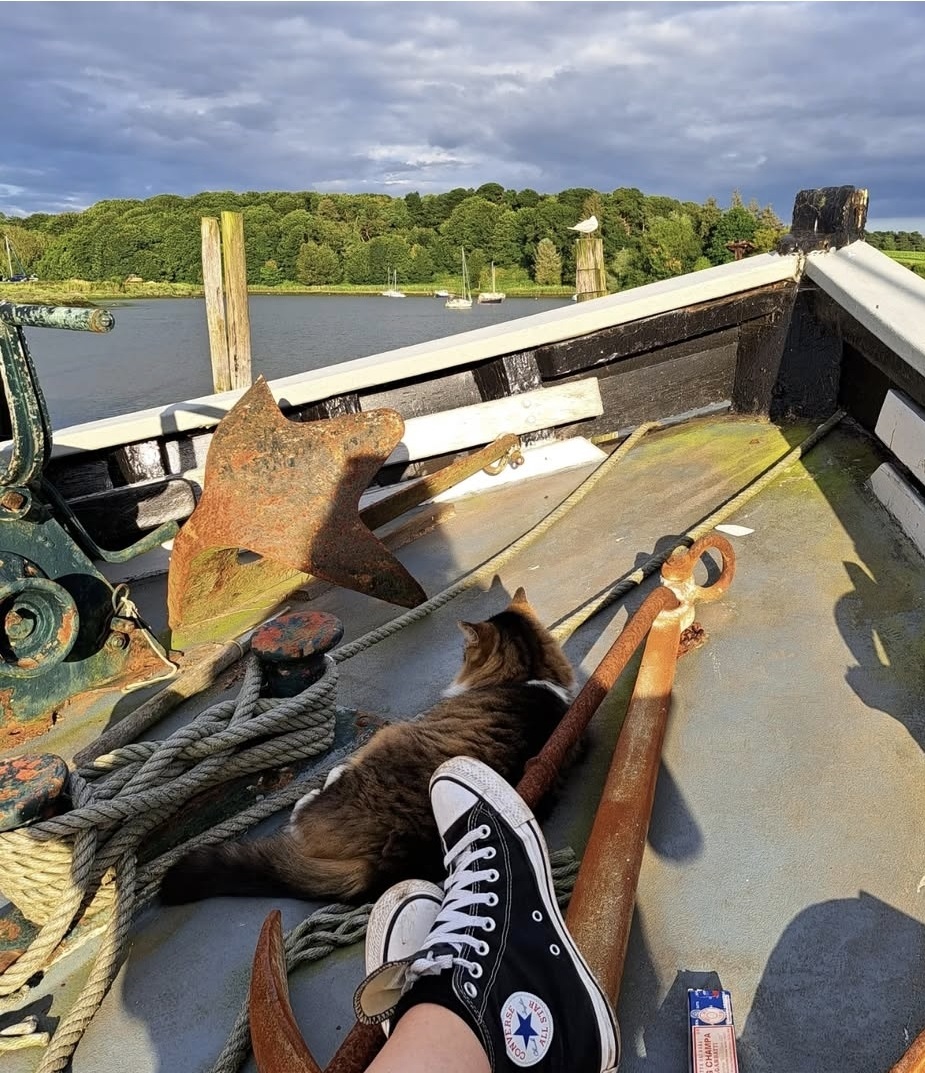
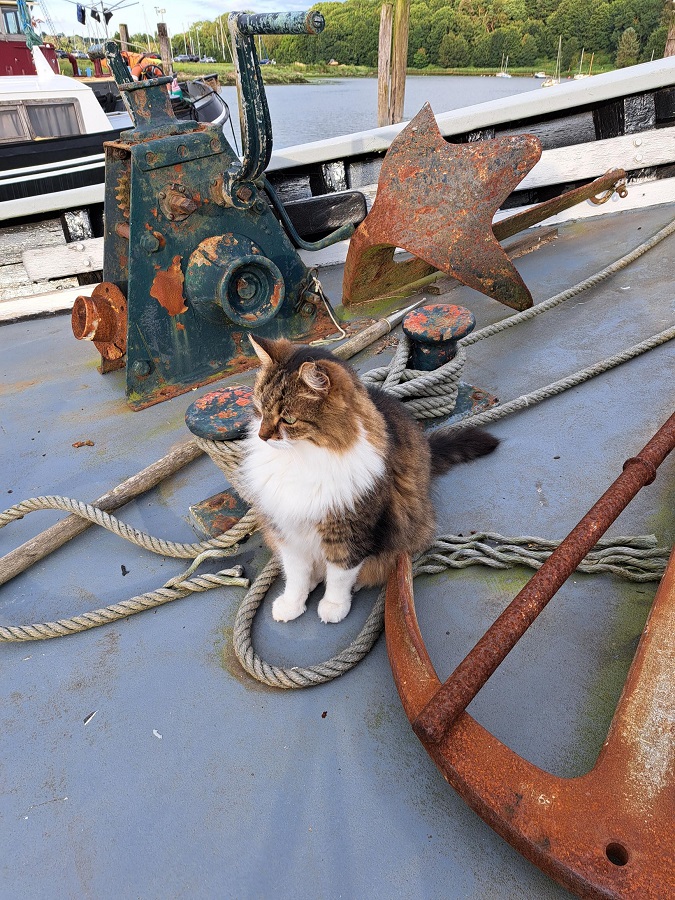
Seafarer.
Stinger (1949)
- 14 feet, 317 lbs. Dragonfly no 17.
- Built at Robertsons for one design racing and day sailing.
- Owned by the Dragonfly class for 15 years, and is now for sale! Used for racing and pleasure sailing.
- Lives at Waldringfield.
This was the first Dragonfly to be launched (despite her number). Believed to have spent many years down at Wrabness. Previous owners: Cyril Stollery (1949), Tim Spurg (1997), J Turnbull (known to own in 1999), unknown owner—boat is found again (2005), David Copp (2010). Restored 2024 by Richard Smithson and James Palmer at Larkmans over 10 months.
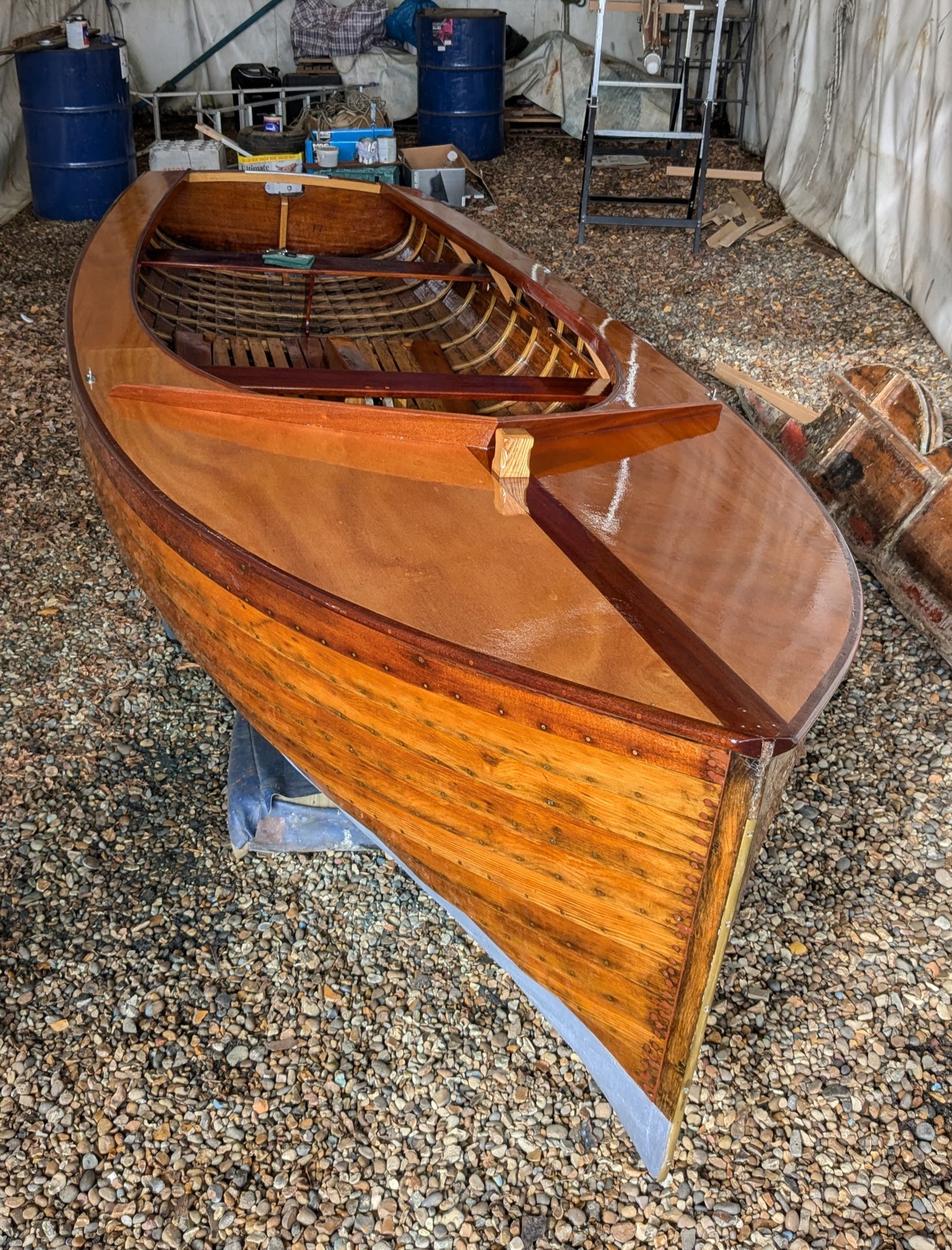
Stinger.
Wings (1949)
- 14 feet, 288 lbs. Dragonfly no 5.
- Built at Nunn Brothers, Waldringfield for one design racing and day sailing.
- Owned by Spencer Wicks for 12 years, used for racing and pleasure sailing.
- Lives at Waldringfield.
Previous owners: GA Revett (1949), WS Kean (1972), Alan Canham (1977, known to still own in 1983), Mr Tapani (1991), Harry Storey (1994), Jonathan Hopper (1998), Rosanne Black/Reid (2003, 2013). Restored 2020 by Richard Smithson and Larkmans: ‘This boat has had major work carried out on it by myself and Larkmans as a rolling project.’
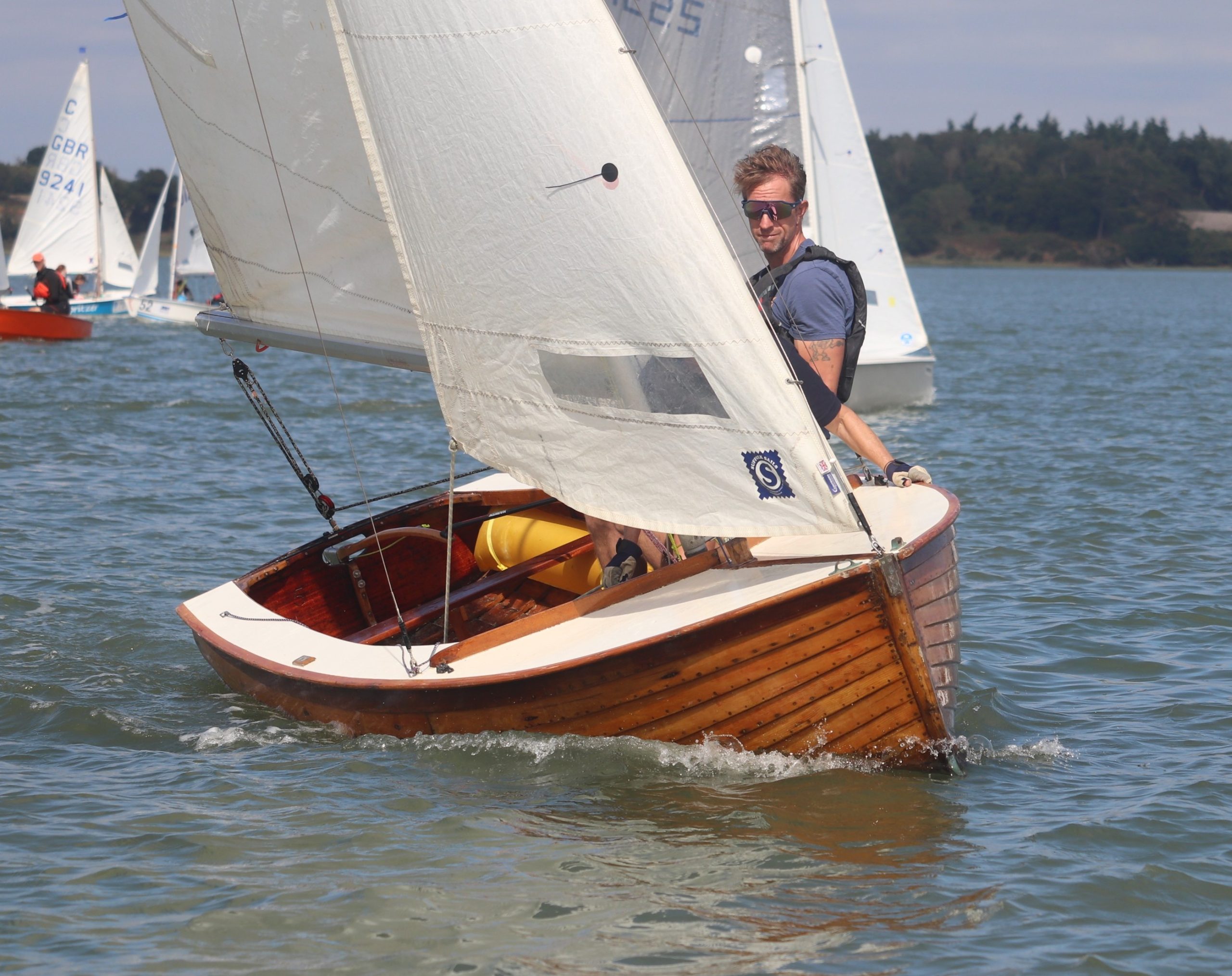
Wings.
Little Hulper (1940s)
- 12′. Originally oars, now a gaff rig.
- Built in Aalsmeer as a rowing punt.
- Owned by Jago Hurley for 4 years, used as a tender.
- Bought in Woodbridge, now moored at Robertsons.
Unknown history. Same craft as used by Clara in the Riddle of the Sands film.
Confiance (?)
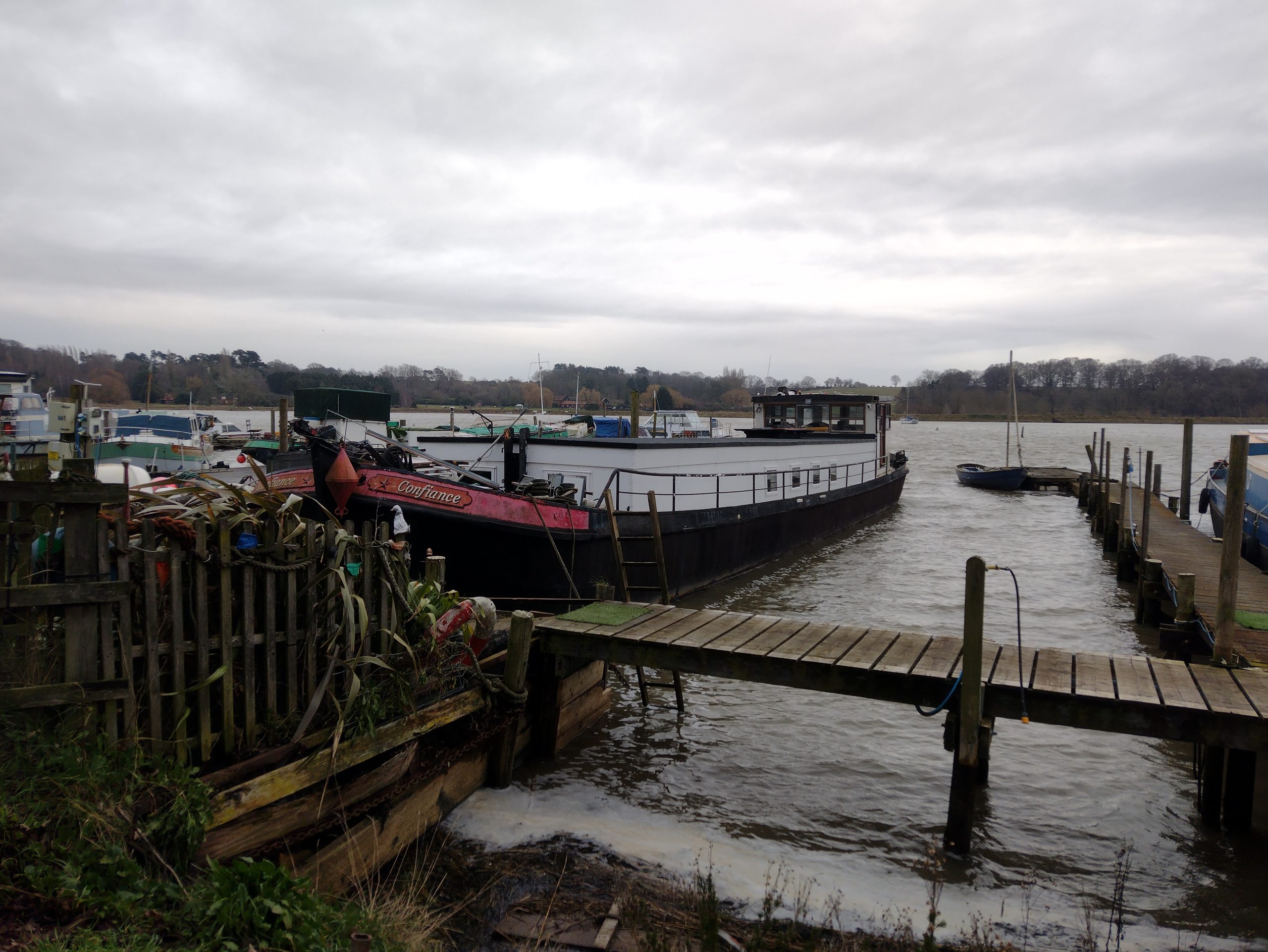
Confiance.
Japi (?)
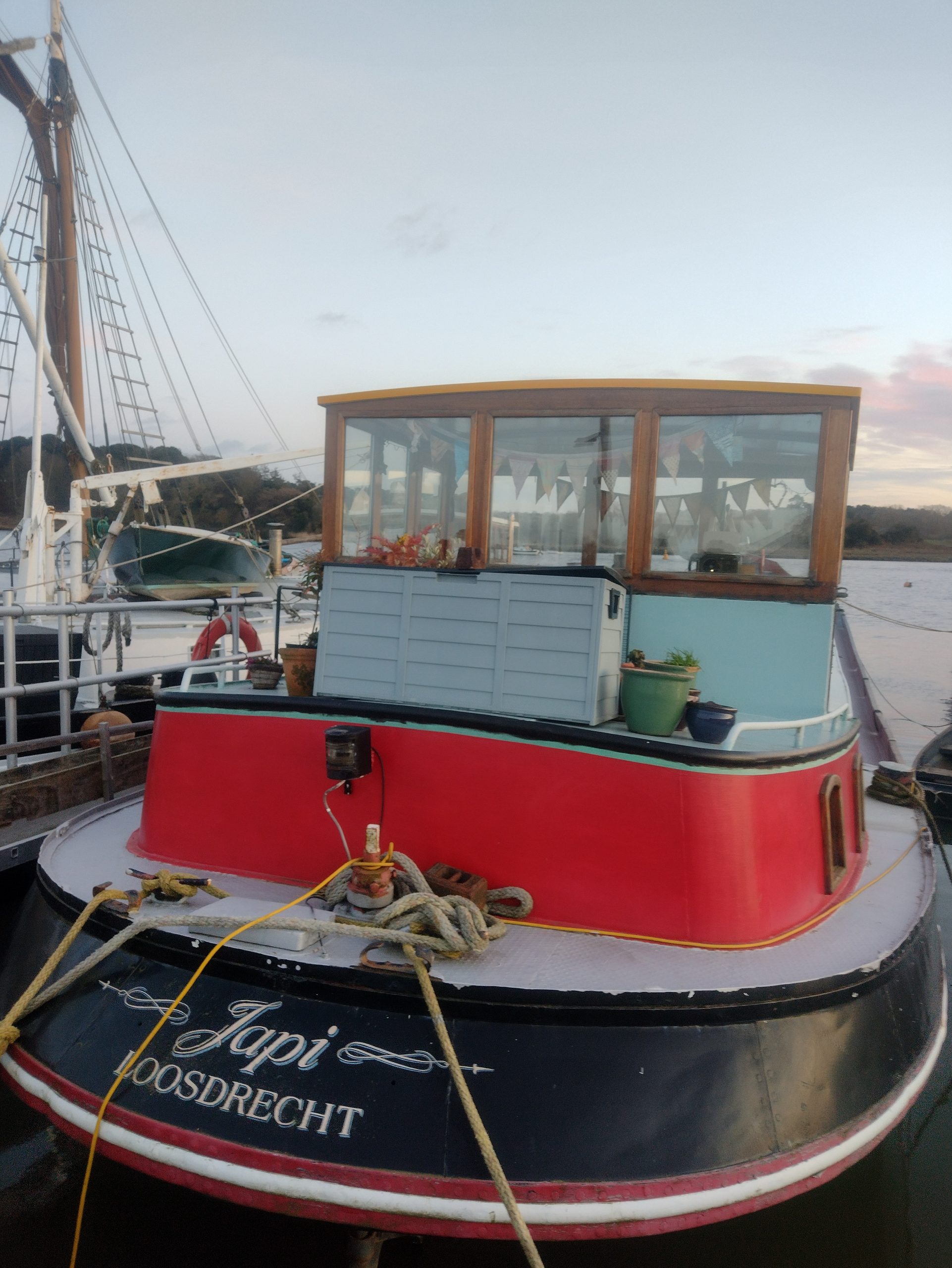
Japi.
Martina (?)
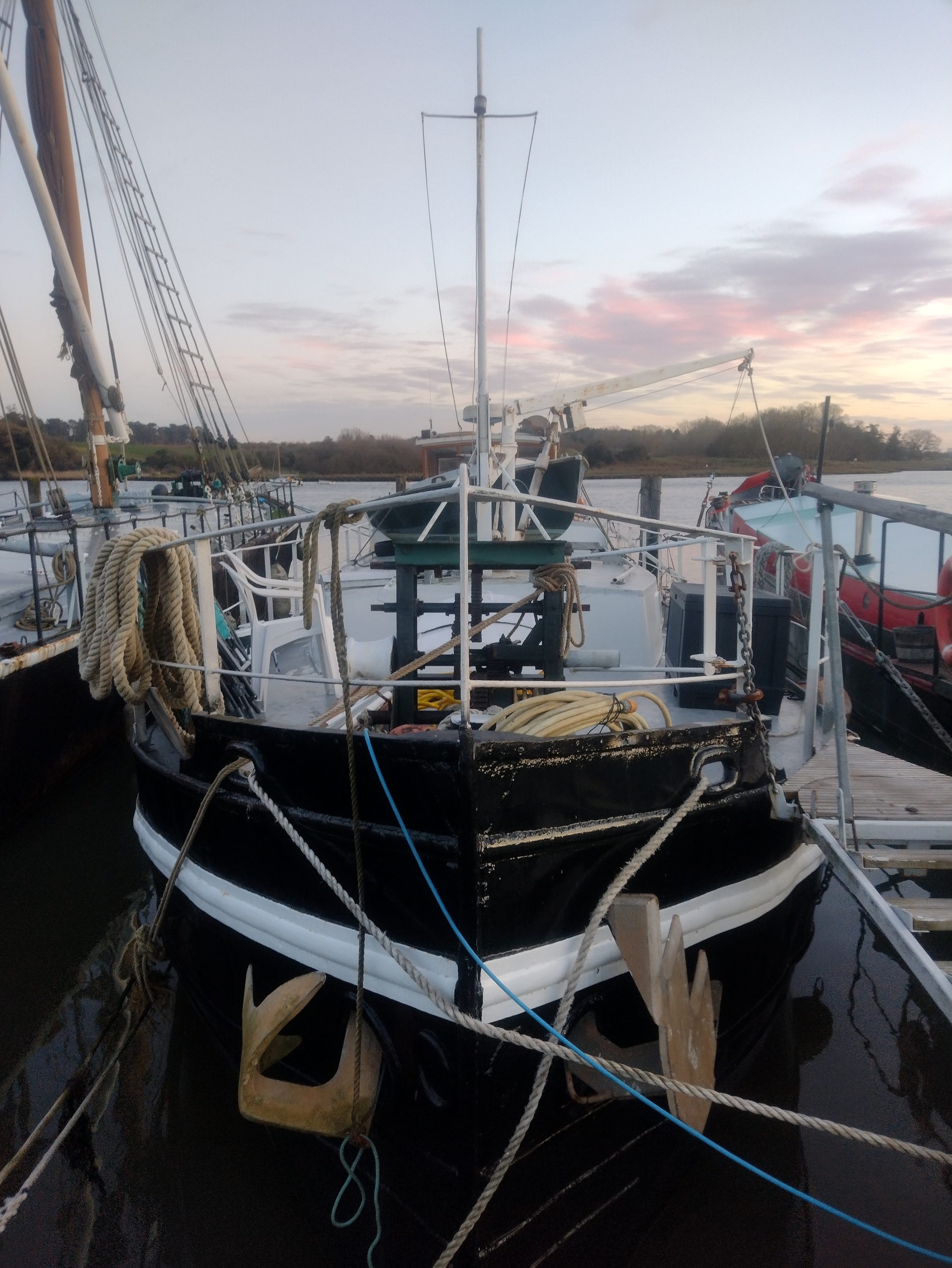
Martina.
Queenie (?)
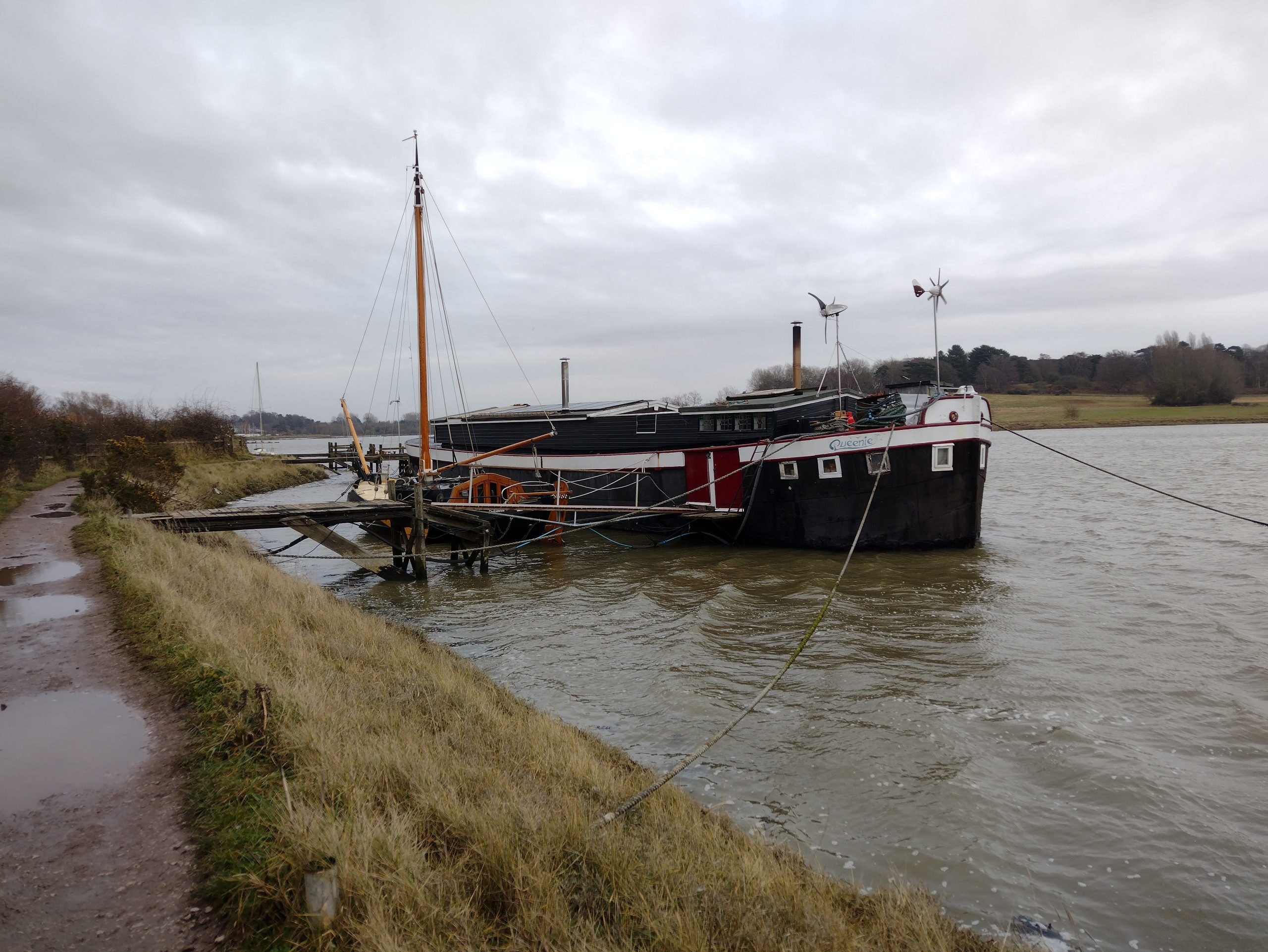
Queenie.
Rival (?)
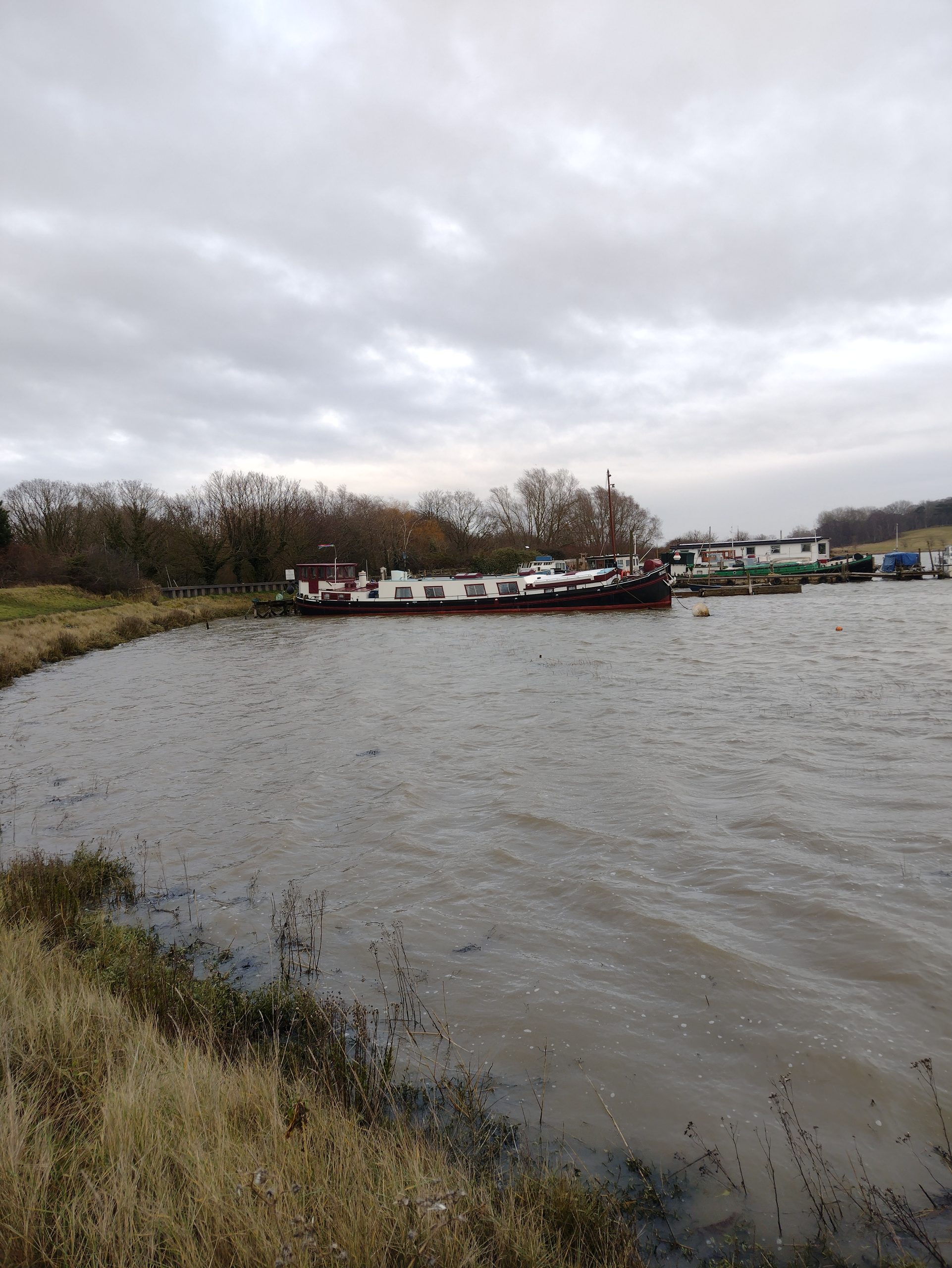
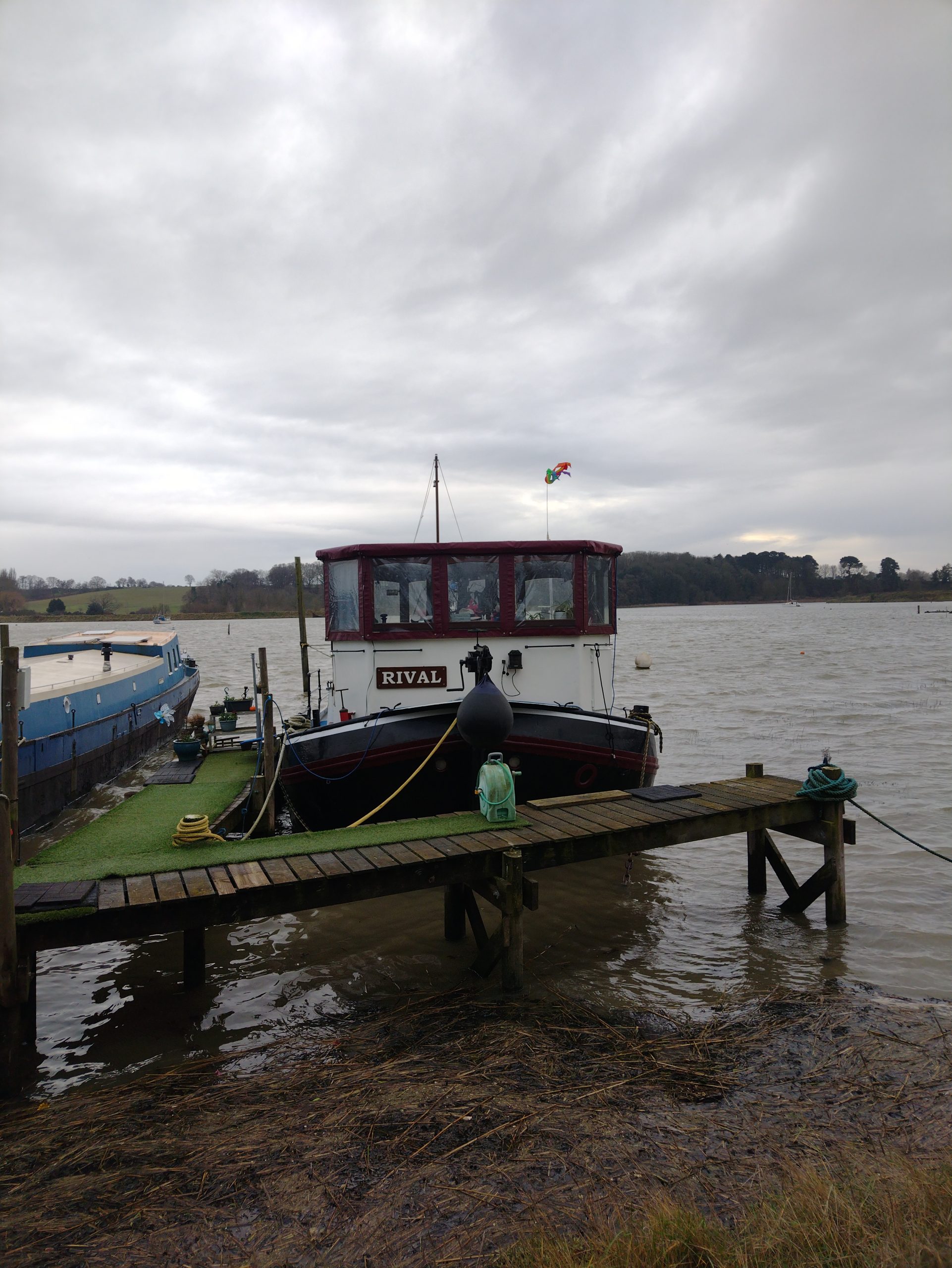
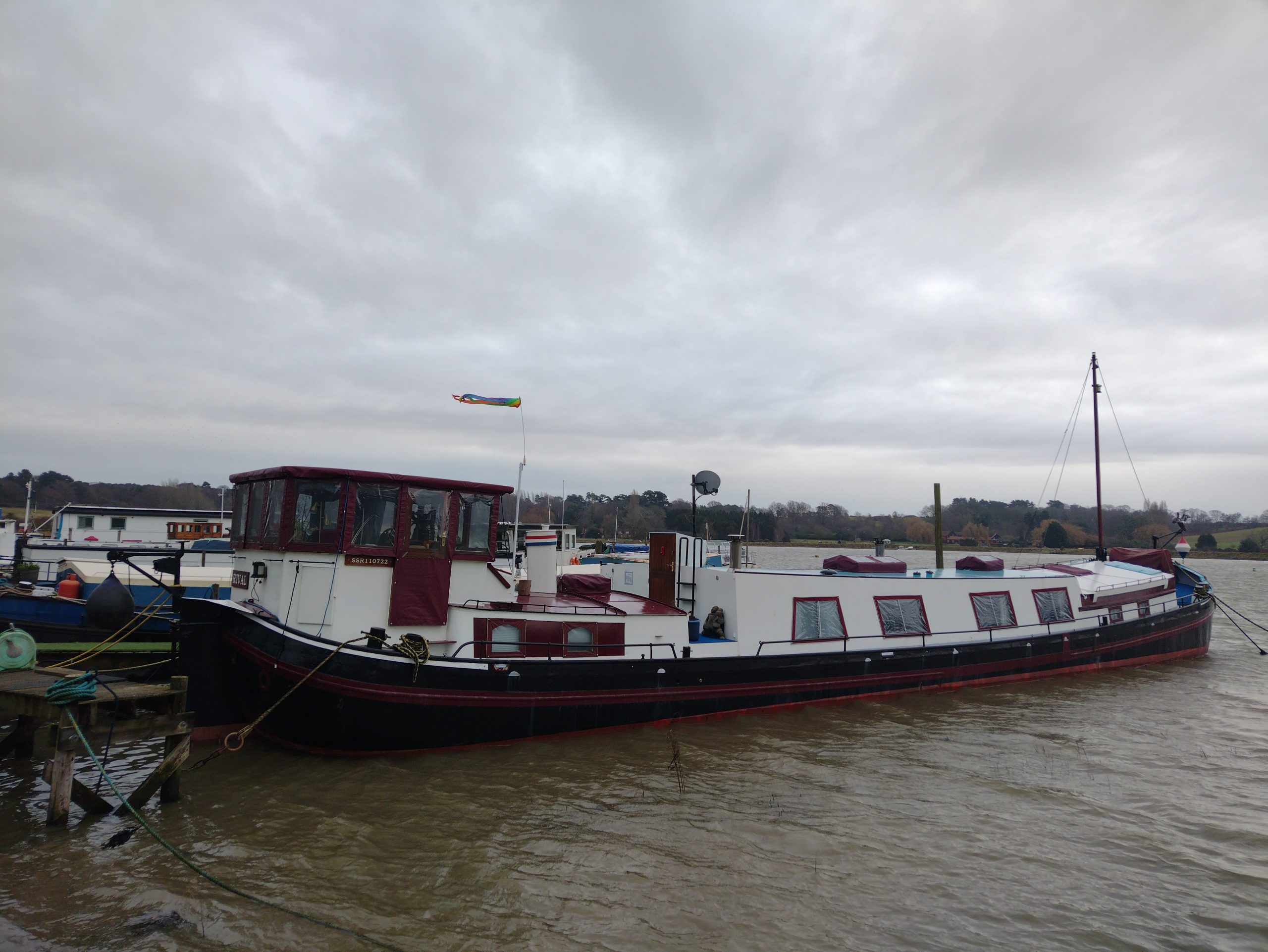
Rival.
Spes (?)
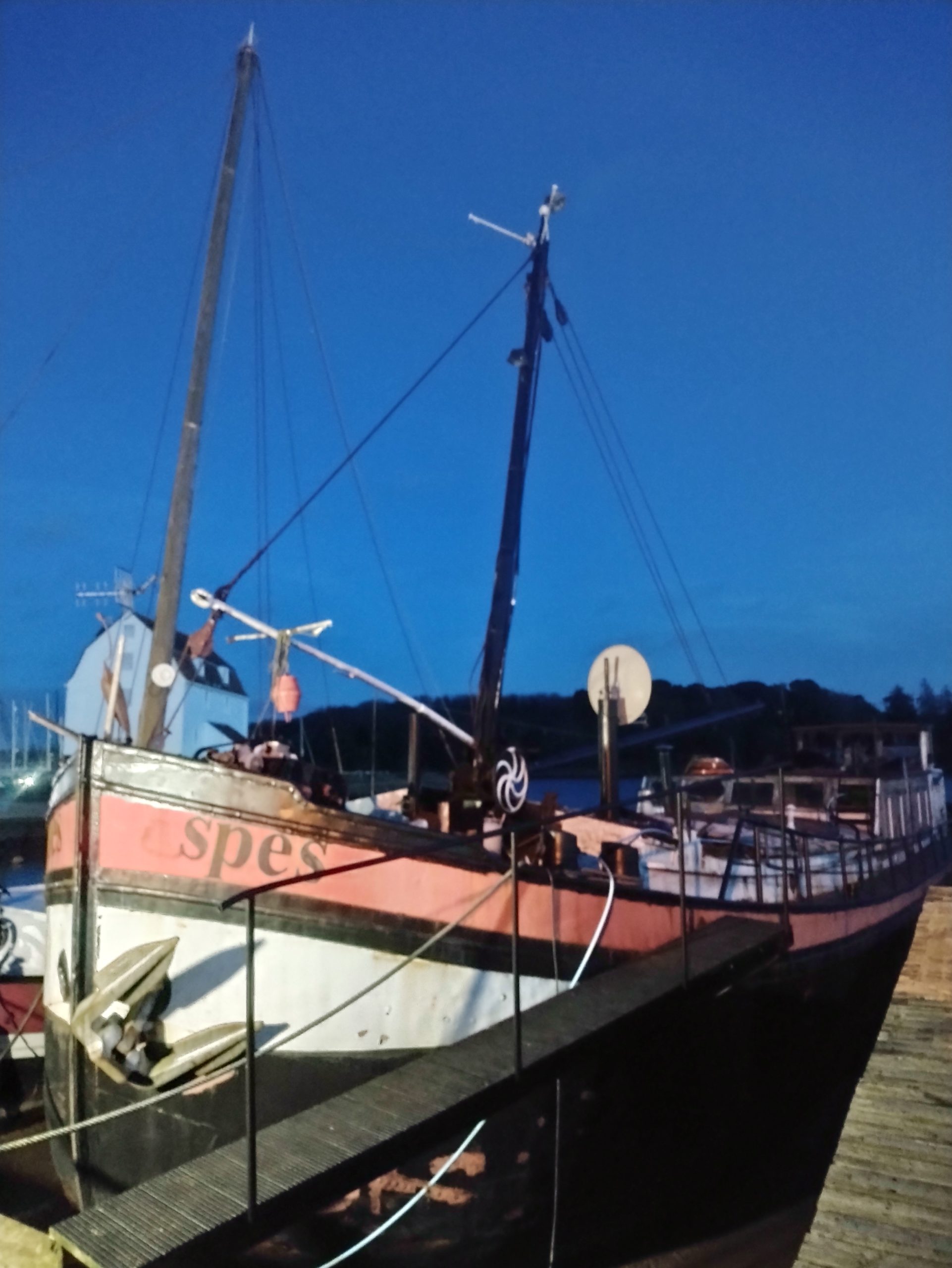
Spes.
“The Barge” (?)
- WW2 ammunition barge.
- Used post war as a bed and breakfast.
- Currently being renovated by owner (to be (re)named upon completion).
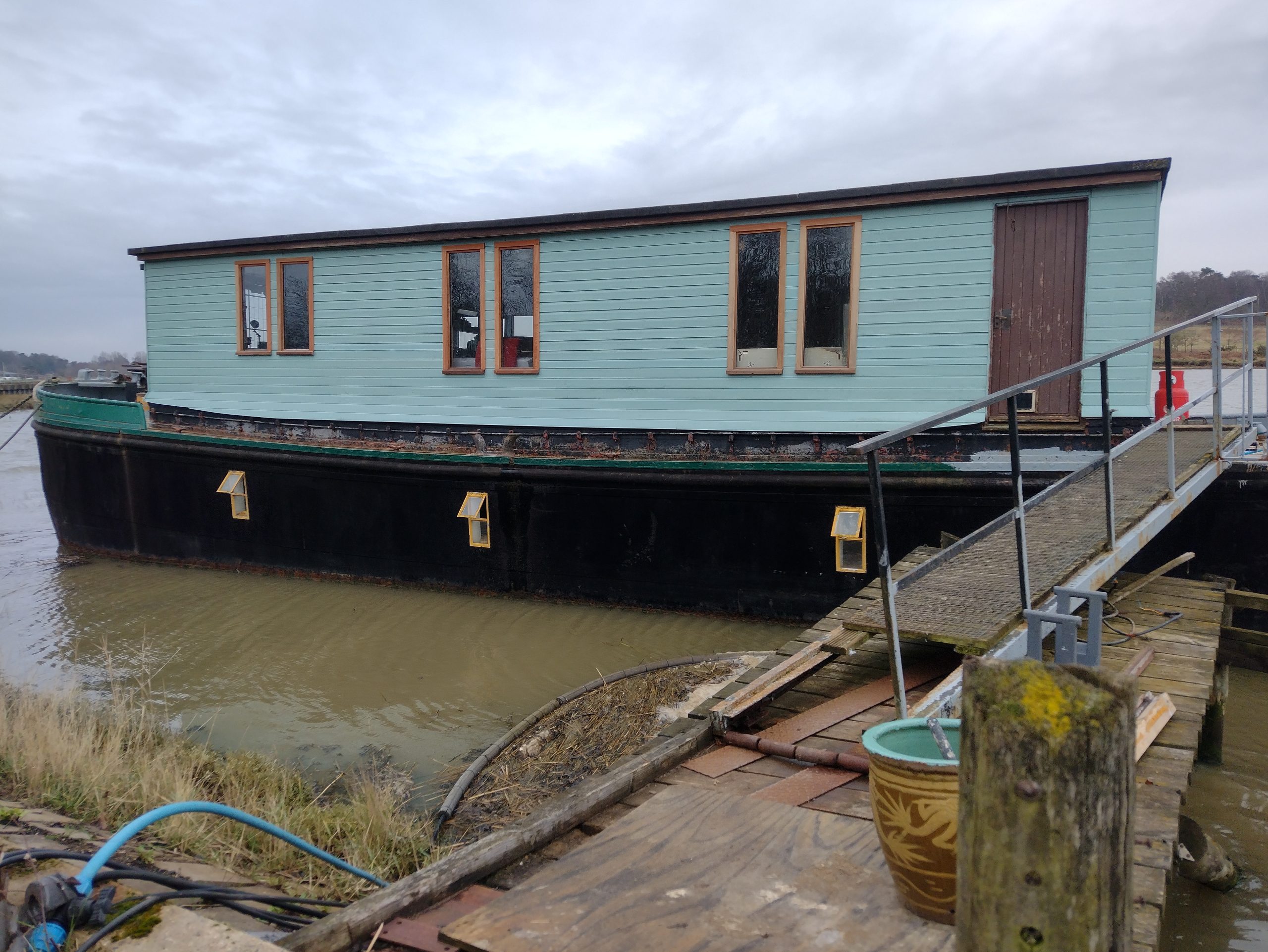
“The Barge”.
Unknown #1 (?)
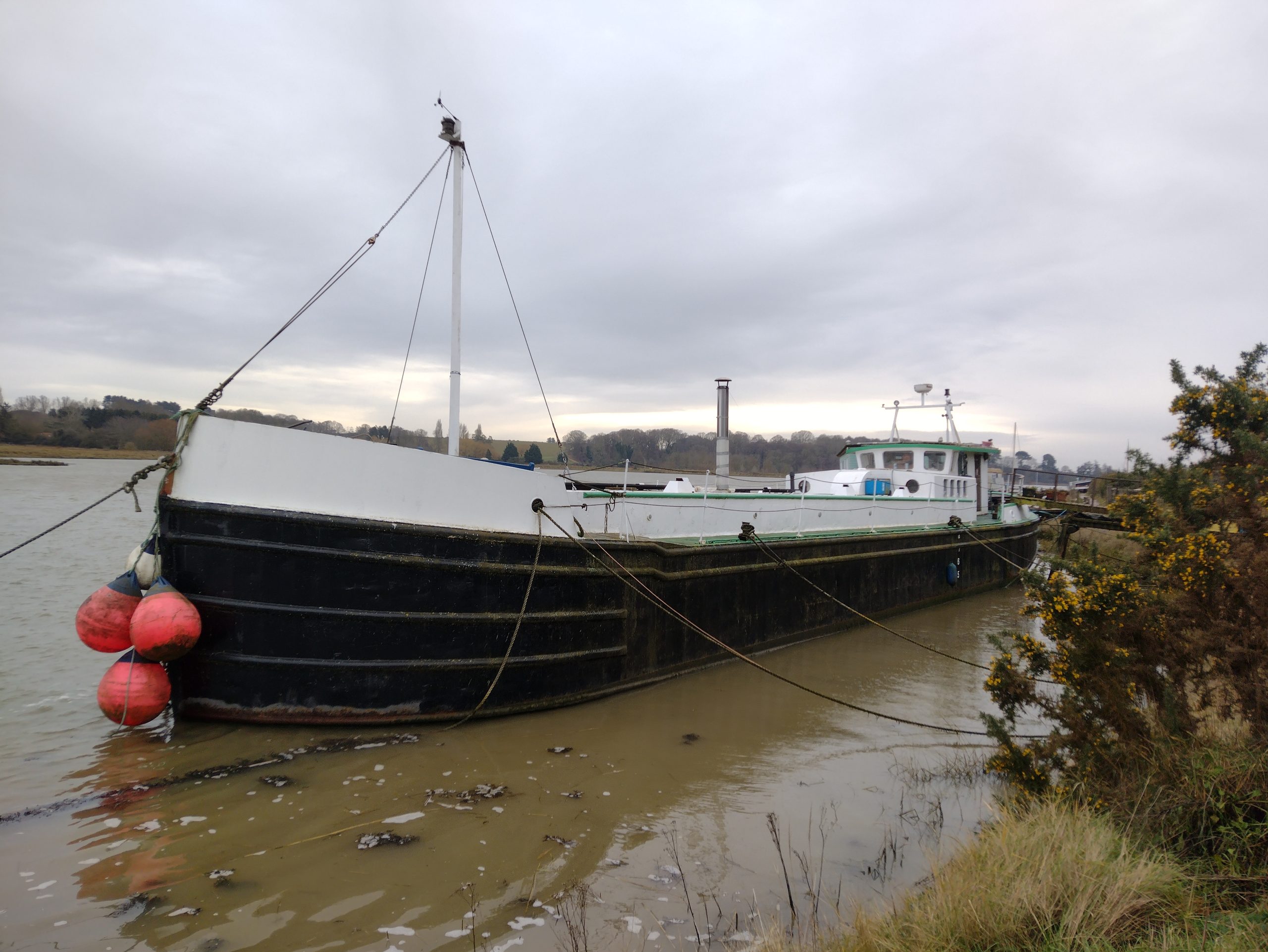
Unknown #1.
Unknown #2 (?)
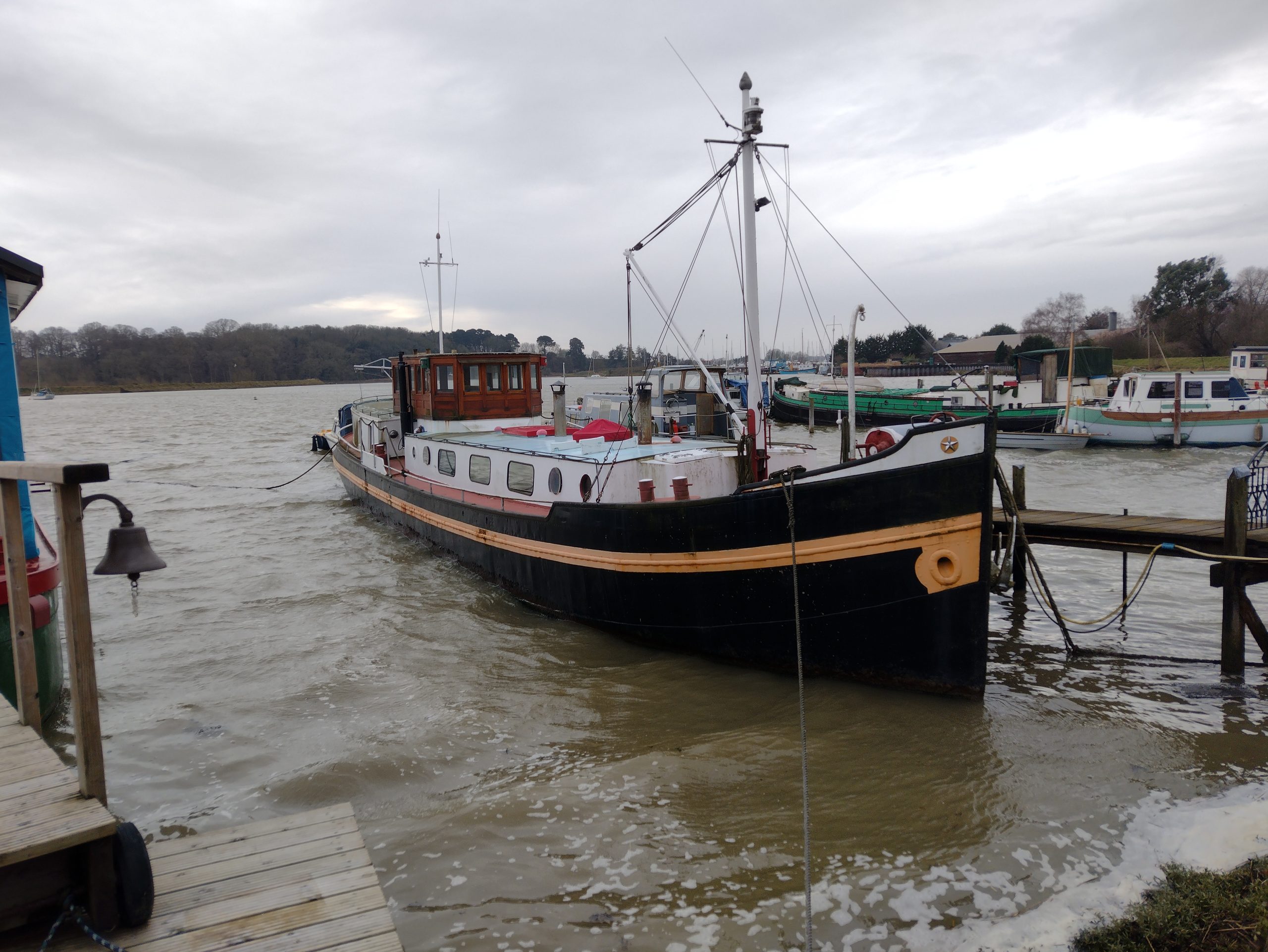
Unknown #2.